
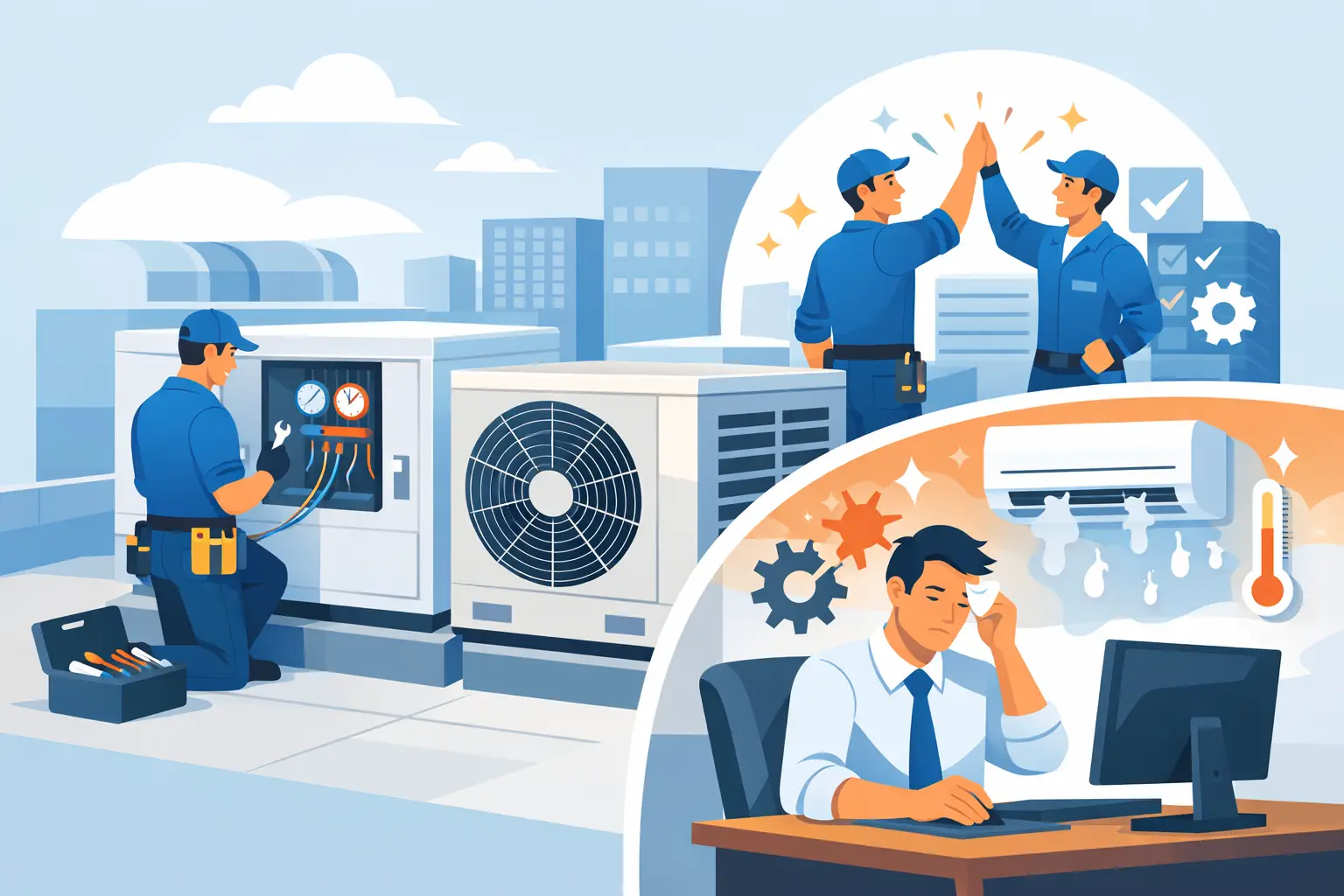
A noisy rooftop unit, uneven temperatures across tenant spaces, or an AC system that cannot keep up during a Baltimore heat wave can become more than a comfort issue. It can affect employee productivity, customer experience, equipment reliability, and operating costs. Dependable commercial HVAC service gives property owners and managers a clear path forward: find the cause quickly, make the right repair, and prevent the same problem from disrupting the building again.
For small offices, retail spaces, restaurants, rental properties, and mixed-use buildings, the goal is not always the largest or most expensive solution. It is the solution that fits the property, the equipment, the budget, and the urgency of the situation. That starts with a technician who listens, diagnoses carefully, and explains the options in plain language.
What Commercial HVAC Service Should Cover
Commercial heating and cooling systems work harder than most residential systems. They often serve larger areas, run for longer hours, and must manage changing loads from people, appliances, lighting, and outdoor weather. Even a modest issue can put extra strain on the entire system when it is ignored.
A full-service commercial visit may involve air conditioning repair, furnace repair, heat pump service, preventive maintenance, new equipment installation, or a system replacement recommendation. The right service depends on what the equipment is doing, how old it is, and whether the issue is isolated or part of a larger pattern.
For example, a system that is cooling poorly may have a dirty coil, a failing capacitor, low refrigerant, damaged ductwork, a thermostat issue, or an undersized unit. Replacing parts without confirming the source of the problem can waste time and money. A professional diagnosis should identify what failed, why it failed, and whether other components need attention.
Fast Repairs Matter When Business Is Open
When a cooling or heating failure affects customers, tenants, staff, or sensitive equipment, response time matters. A prompt repair visit can reduce downtime and help prevent a minor mechanical issue from becoming a compressor failure or full system shutdown.
Commercial properties also need practical scheduling. Some repairs can be completed during business hours with minimal interruption. Others, such as a major equipment replacement or extensive duct repair, may need to be planned around tenants, customers, inventory, and access to the building. A reliable contractor should be direct about the work involved, expected timing, and any steps needed to protect the property while repairs are underway.
Signs Your Building Needs Commercial HVAC Service
Not every HVAC concern means the system is near the end of its life. Still, waiting until the unit stops completely often leads to more urgent decisions and fewer scheduling options. Calling for service early can preserve comfort and give you more control over costs.
Watch for these common warning signs:
- Rooms that stay noticeably warmer or colder than the rest of the property
- Rising utility bills without a clear change in business hours or energy use
- Frequent cycling, weak airflow, unusual odors, or new rattling and grinding sounds
- Water around indoor equipment, ice on refrigerant lines, or recurring thermostat problems
- Repairs becoming more frequent as the unit struggles to maintain set temperatures
Uneven temperatures deserve particular attention in commercial spaces. The cause may be equipment-related, but it can also involve airflow restrictions, duct leakage, zoning problems, thermostat placement, or changes to the use of the space. A retail area converted into offices, for instance, may have different cooling needs than it did when the system was originally installed.
Repair, Replacement, or Maintenance: How to Decide
The right answer depends on the condition of the equipment. A newer system with a clear, repairable problem is usually a strong candidate for repair. Replacing a worn contactor, blower motor, capacitor, belt, or thermostat can restore dependable operation without requiring a major investment.
Replacement becomes more reasonable when repairs are frequent, the equipment is approaching the end of its expected service life, or efficiency and reliability have declined significantly. Older systems can also use parts that are difficult to source or refrigerants that are becoming more expensive to manage. In those cases, continuing to repair may cost more over time than installing a properly sized modern system.
There is no one-dollar rule that fits every property. The age of the unit matters, but so do repair history, energy use, the availability of parts, occupancy needs, and the potential cost of downtime. A clear estimate should help you compare the immediate repair cost with the practical long-term value of replacement.
Why Proper Sizing Comes Before Installation
A larger HVAC unit is not automatically a better unit. Oversized equipment can cycle on and off too quickly, causing inconsistent temperatures, unnecessary wear, and poor humidity control. An undersized unit may run constantly and still struggle during peak summer or winter conditions.
Before installing commercial equipment, the contractor should consider the building layout, square footage, insulation, windows, occupancy, operating hours, existing ductwork, and heat-producing equipment. A restaurant kitchen, server room, salon, or busy retail space can create cooling demands that a basic square-footage estimate does not capture.
Customized recommendations help avoid paying for equipment that does not match the building. They also make it easier to plan for future needs if the property is being renovated, divided into new tenant spaces, or used differently than before.
Preventive Maintenance Protects Your Budget
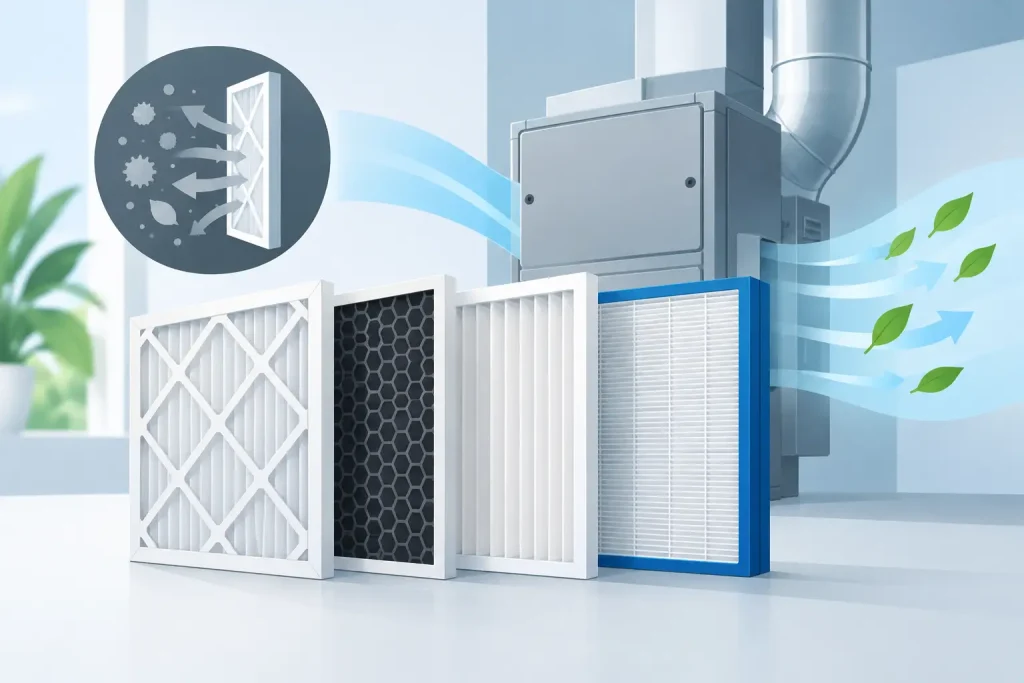
Emergency repairs are sometimes unavoidable, but many system failures begin as maintenance issues. Dirty filters reduce airflow. Neglected coils force equipment to work harder. Loose electrical connections can damage components. Drain line problems can lead to leaks, moisture damage, and shutdowns.
A maintenance plan gives technicians the opportunity to catch these issues before extreme weather puts the system under maximum stress. The work typically includes checking filters, electrical connections, refrigerant performance, condensate drainage, thermostat operation, blower components, coils, safety controls, and overall system operation.
The schedule depends on the equipment and how the property is used. A lightly occupied office may need a different service frequency than a restaurant, multi-tenant retail building, or property with equipment running for extended hours. In most cases, seasonal maintenance before summer cooling demand and winter heating demand is a practical starting point.
Maintenance is also useful for budgeting. Instead of learning about a worn component during an emergency call, property owners can plan a repair or replacement with better timing. That can mean less disruption for tenants and fewer surprises during the busiest months of the year.
What to Expect From a Professional Service Visit
Good commercial service starts with clear communication. The technician should ask what has changed, when the issue occurs, which areas are affected, and whether anyone has noticed noises, odors, leaks, or changes in utility costs. Those details help narrow the diagnosis and prevent guesswork.
After inspecting the equipment, the technician should explain the findings in terms that make sense for the person responsible for the property. You should understand whether the repair is urgent, what may happen if it is delayed, and whether there are options to consider. Honest recommendations are especially important when replacement is on the table.
Clean workmanship matters, too. Commercial properties often have customers, employees, tenants, or residents moving through the building. Technicians should respect the space, protect work areas where needed, and leave the site orderly once the work is complete.
For property managers handling several locations, documentation can be just as valuable as the repair itself. Knowing what was serviced, what parts were replaced, and what concerns may need future attention makes it easier to manage maintenance schedules and make informed budget decisions.
Local Support for Maryland Properties
Maryland weather puts commercial systems through demanding changes. Summer humidity can expose cooling and drainage problems, while cold snaps can reveal heating failures that were not obvious during mild weather. Local service helps because the technician understands the conditions equipment faces throughout the year and can respond when comfort cannot wait.
ABC Cooling & Heating provides practical heating and cooling support for commercial property needs in Baltimore, Dundalk, and nearby communities. Whether the issue is an urgent repair, a maintenance concern, or a quote for new equipment, the focus should remain the same: diagnose accurately, explain the options clearly, and complete dependable work at a fair price.
Do not wait for the next temperature swing to find out whether your building’s HVAC system is ready. A timely service call can protect comfort today and give you a clearer plan for the season ahead.

2 Responses