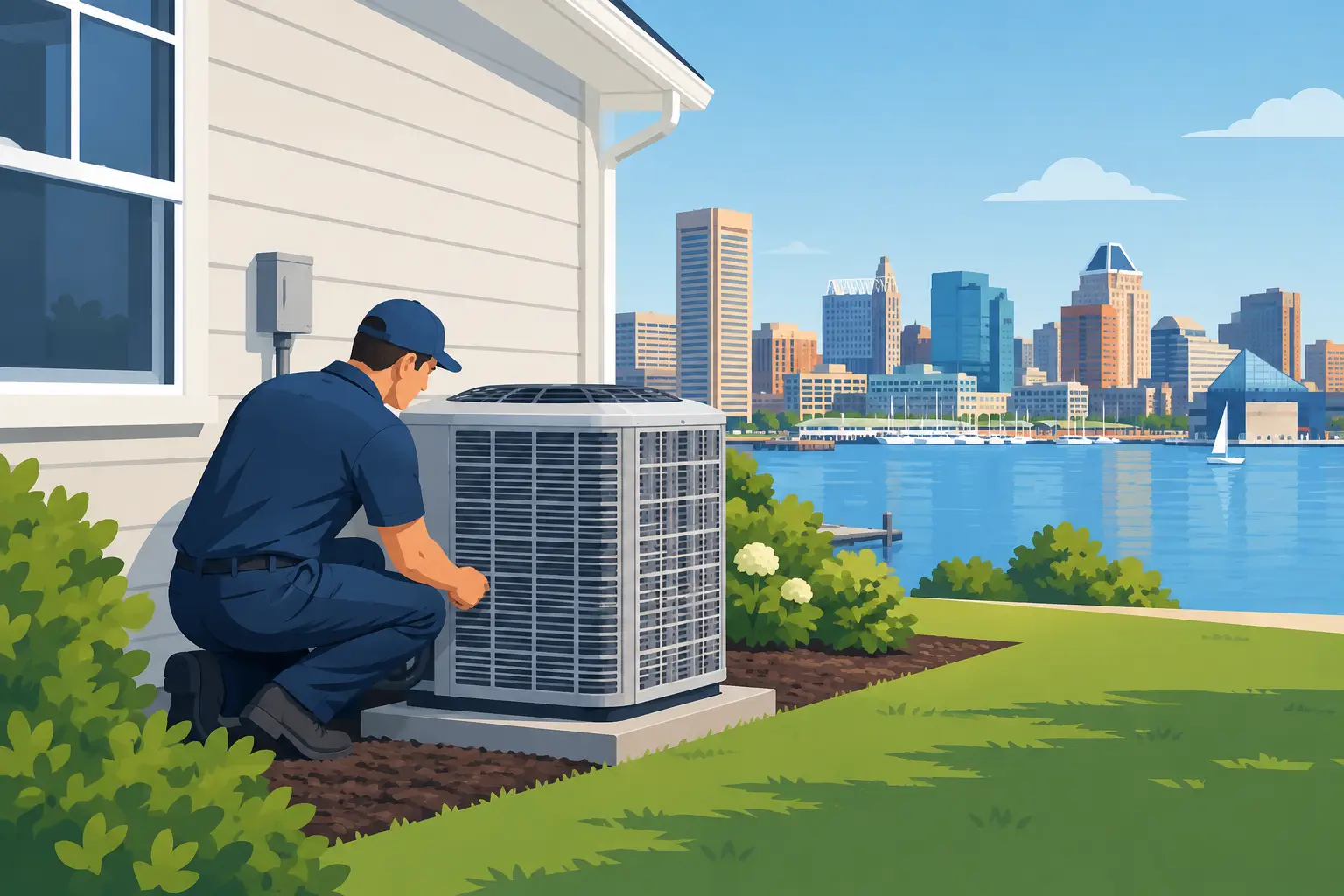
A Baltimore heat wave has a way of exposing an aging air conditioner fast. If your system is running nonstop, leaving some rooms warm, or requiring another expensive repair, AC installation may be the practical next step. The right replacement is not simply the biggest unit that fits the space. It is a properly selected and professionally installed system that keeps your home comfortable without driving up energy costs.
For homeowners, landlords, and property managers, a new air conditioner is a meaningful investment. Clear recommendations, careful workmanship, and realistic expectations matter just as much as the equipment itself.
When AC Installation Makes More Sense Than Repair
A repair can be the right answer when the issue is isolated and the rest of the system is in good condition. A failed capacitor, worn contactor, or minor electrical problem does not automatically mean you need a replacement. A qualified technician should diagnose the problem before recommending a new system.
Replacement becomes more reasonable when repair costs are high, the unit is near the end of its expected service life, or breakdowns are becoming routine. Central air conditioners commonly last around 10 to 15 years, although maintenance history, usage, and installation quality all affect that timeline. A system that has been neglected or installed incorrectly may struggle much earlier.
Other signs point toward replacement too. Uneven temperatures, excessive indoor humidity, loud operation, rising utility bills, and frequent cycling can all indicate that the equipment is no longer performing efficiently. If your air conditioner uses an older refrigerant that is difficult or costly to service, replacing it may protect you from larger expenses later.
The decision is rarely based on age alone. A newer unit with a major compressor failure may still warrant careful comparison, while an older unit with a simple, affordable repair may have useful life remaining. The best path depends on the condition of the complete system, not a one-size-fits-all rule.
What a Proper AC Installation Includes
A dependable AC installation starts well before the new equipment arrives. The technician should review your home or building, ask about comfort concerns, inspect existing equipment, and evaluate whether the ductwork can support the new system. This process helps prevent the common mistake of replacing an old unit with the same size without checking whether that size was ever correct.
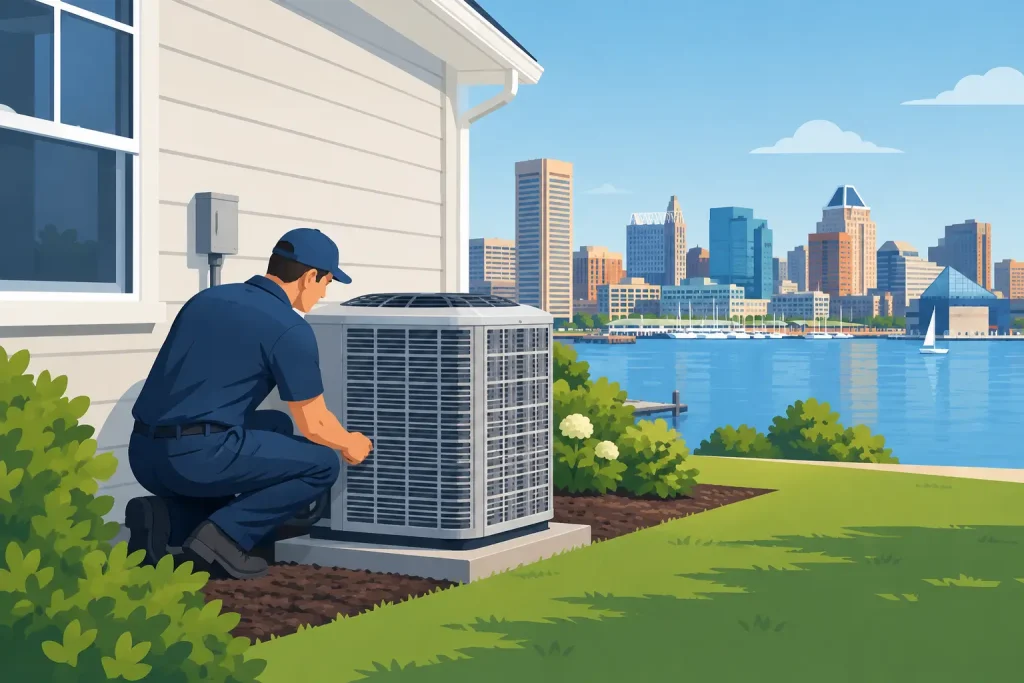
A professional installation typically includes removing and disposing of old equipment, setting the new outdoor condenser on a stable pad, installing or connecting the indoor evaporator coil, and making the required electrical and refrigerant connections. The refrigerant lines must be sized correctly, secured, and tested for leaks. The system should also be vacuumed properly before refrigerant is added or adjusted according to manufacturer specifications.
Drainage deserves attention as well. Your air conditioner removes humidity from indoor air, and that moisture has to drain safely. A poorly installed condensate line can lead to water damage, clogged drains, or system shutdowns. Technicians should confirm proper slope, drainage, and safety protections where needed.
Before the job is complete, the installer should test cooling performance, airflow, thermostat operation, electrical components, and condensate drainage. They should also explain basic operation, filter replacement, and maintenance needs in plain language. Good workmanship is visible in the details, but it is also reflected in how clearly the contractor communicates.
Sizing Is About More Than Square Footage
It is tempting to estimate air conditioner size based only on the square footage of a home. Square footage is part of the picture, but it cannot tell the whole story. Ceiling height, insulation levels, window placement, sun exposure, occupancy, air leakage, and duct design all influence cooling demand.
An oversized system is not a safer choice. It can cool the air too quickly and shut off before removing enough humidity. That may leave rooms feeling cool but clammy, especially during Maryland’s humid summer weather. Oversized equipment can also cycle on and off more often, increasing wear on components.
An undersized system has the opposite problem. It may run for long periods, struggle to reach the thermostat setting, and add unnecessary stress during the hottest days. Proper load calculations give the installer a stronger basis for recommending capacity, rather than relying on a guess or the size of the system being removed.
Your Ductwork Can Change the Result
A high-efficiency air conditioner cannot overcome leaking, undersized, damaged, or poorly balanced ductwork. If cooled air escapes into an attic, crawl space, or wall cavity, the system has to work harder to deliver comfort to occupied rooms. Restricted return air can reduce airflow and contribute to frozen coils or uneven temperatures.
During a replacement consultation, ask whether the ducts need repairs, sealing, cleaning, resizing, or balancing. Not every home needs major ductwork changes, and a full replacement is not always necessary. Still, addressing obvious duct problems during installation can make the new system perform closer to its intended efficiency.
For older Baltimore-area homes, this step can be especially valuable. Additions, finished basements, renovated attics, and room-by-room changes over time can leave the original duct design out of step with how the house is used today.
Choosing the Right System for Your Property
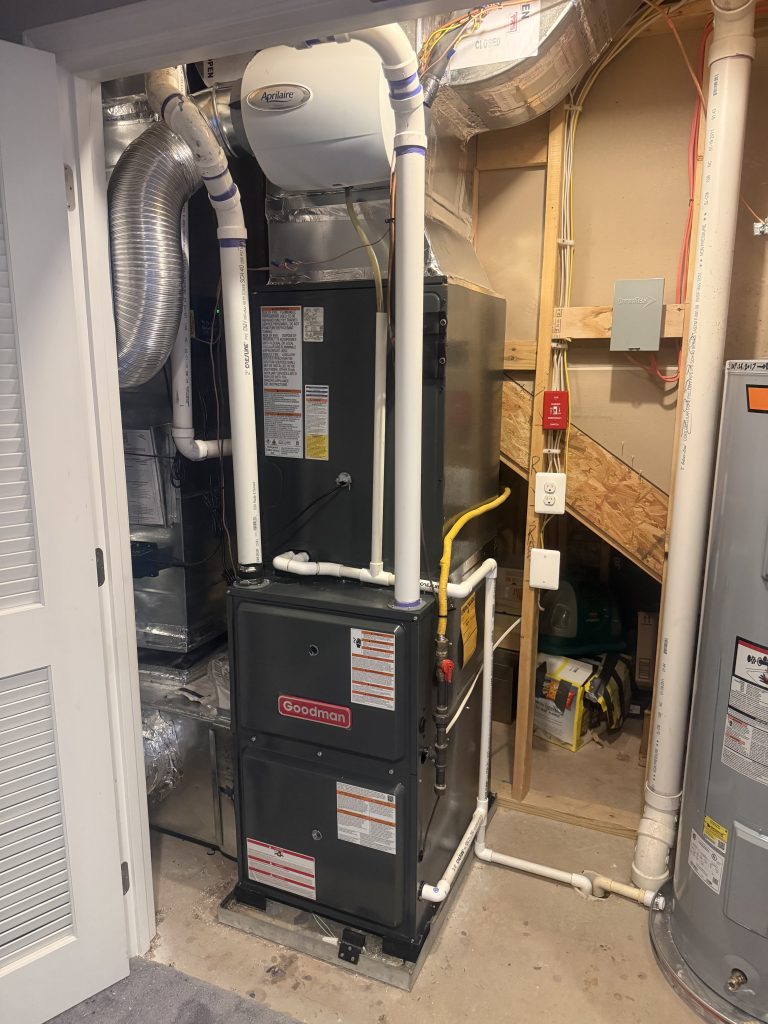
Central air conditioning is a good fit for many properties that already have usable ductwork. It provides whole-home cooling from a single system and can often be paired with an existing or new furnace air handler. Efficiency ratings matter, but the highest-rated unit is not automatically the best value for every customer.
Higher-efficiency equipment can reduce operating costs, particularly for households that use cooling heavily. However, it usually costs more upfront. The payback depends on your utility rates, how long you plan to own the property, the condition of your home, and the efficiency of the system being replaced. A mid-range option installed correctly may deliver better real-world comfort than premium equipment installed poorly.
Heat pumps are also worth considering for homes that need both heating and cooling. They move heat rather than create it through combustion, which can make them an efficient option in many Maryland properties. Some homeowners choose a heat pump with a backup heating source, while others prefer a conventional air conditioner and furnace combination. The right recommendation should reflect your budget, existing equipment, winter heating needs, and long-term plans.
For rooms without ducts, additions, garages, or smaller commercial spaces, ductless systems may be practical. They offer targeted temperature control and avoid major duct installation, but indoor unit placement and appearance should be considered before choosing this route.
Questions to Ask Before You Approve the Quote
A clear installation quote should help you understand what you are buying and what work is included. Ask whether the recommendation is based on a load calculation, whether the indoor and outdoor components are properly matched, and whether permits or required inspections are part of the project.
You should also ask about electrical upgrades, thermostat options, duct repairs, condensate drainage, warranty coverage, and startup testing. If the quote is far lower than others, find out what has been left out. A low initial price can become costly if it skips necessary electrical work, proper refrigerant procedures, or essential duct improvements.
For rental properties and small commercial locations, scheduling and occupant disruption are also worth discussing. A responsive contractor can coordinate access, protect the work area, and keep the project moving without leaving residents or employees without cooling longer than necessary.
Timing Your AC Installation
You do not have to wait for a complete breakdown to plan a replacement. Scheduling before peak summer demand can give you more flexibility to compare options, prepare the space, and make a confident decision. It can also help avoid the pressure of choosing equipment during a hot-weather emergency.
That said, urgent replacements happen. When cooling fails during a heat event, fast response and accurate diagnosis are essential. A professional team should explain whether a repair can safely restore service or whether replacement is the more reliable option.
After installation, protect your investment with regular maintenance. Seasonal service can catch airflow restrictions, drainage issues, electrical wear, and refrigerant concerns before they become midsummer failures. Change filters on schedule and keep the outdoor unit clear of leaves, grass clippings, and other debris.
ABC Cooling & Heating helps Baltimore-area property owners make practical cooling decisions with licensed technicians, clear recommendations, and dependable installation work. Whether you are planning ahead or facing a system failure, the most helpful next step is a thorough evaluation of your home, your comfort concerns, and the system that will serve you well for years to come.