A failing rooftop unit can turn a normal workday into a stream of comfort complaints, distracted employees, and avoidable downtime. Office HVAC replacement is not simply a response to a breakdown. When it is planned well, it protects your budget, improves indoor comfort, and gives your business more control over the timing of the work.
For office owners, landlords, and property managers, the right decision is rarely based on age alone. A system may still run at 15 years old, while another unit may become expensive and unreliable much sooner. The practical question is whether continued repairs are still the best use of your operating budget.
When Office HVAC Replacement Makes More Sense Than Repair
A single repair does not automatically mean replacement. Commercial equipment has serviceable components, and a targeted repair can be the sensible choice when the unit is otherwise in good condition. The decision changes when repair calls become frequent, costs keep rising, or the equipment can no longer maintain a comfortable and consistent temperature.
Start by looking at the system’s history. If your office has needed repeated compressor, blower motor, control board, or refrigerant-related repairs, the total cost can add up quickly. Recurring failures also make it harder to plan around your business schedule. A unit that works one week and fails during the next heat wave creates more disruption than a planned installation ever will.
Age matters, especially for systems approaching or beyond their expected service life. Many commercial split systems and rooftop units can serve a building for 15 to 20 years with proper maintenance, but real lifespan depends on usage, installation quality, local weather, and maintenance history. Heavy summer demand in the Baltimore area can be hard on aging air conditioning equipment.
Energy use is another useful signal. If utility costs rise even though your occupancy and operating hours have stayed about the same, your HVAC equipment may be losing efficiency. Dirty coils, duct issues, and failing parts can contribute, so a professional inspection should identify the actual cause before you commit to replacement.
Comfort Problems Are Business Problems
Uneven temperatures are more than an inconvenience. A conference room that is too warm, a front office that is too cold, or persistent humidity can affect employee focus and customer experience. It can also lead people to use space heaters or portable fans, which can create safety concerns and place more strain on the building’s electrical system.
Poor humidity control deserves special attention. Maryland summers can bring high humidity, and an oversized or poorly performing air conditioner may cool the air without removing enough moisture. The result can be a clammy office, musty odors, and concerns about indoor air quality. A properly selected replacement system should address temperature and humidity together.
The Real Cost of an Office HVAC Replacement
The purchase price is only part of the investment. Installation complexity, electrical upgrades, rooftop access, ductwork condition, thermostat controls, permits, and the type of equipment all affect the final price. That is why a dependable contractor should inspect the property and provide a clear, written recommendation instead of quoting a generic system size over the phone.
Lower upfront cost can be appealing, but the least expensive unit is not always the best value. A system that is too small may run continuously and struggle during peak weather. A system that is too large may short cycle, wear out faster, and fail to manage humidity well. Proper sizing is one of the most important parts of a replacement project.
It also helps to compare repair costs with the expected remaining life of the existing equipment. If a major repair costs thousands of dollars and the unit is near the end of its useful life, putting that money toward new equipment may be the better long-term decision. On the other hand, if the system is relatively young and the issue is isolated, repair may still be the responsible recommendation.
A good estimate should explain what is included: equipment, labor, removal of old components, necessary connections, controls, startup testing, and warranty details. Ask about any work that could affect the price, such as duct repairs or crane service for a rooftop unit. Clear communication up front prevents unpleasant surprises later.
Planning an Office HVAC Replacement Without Disrupting Work
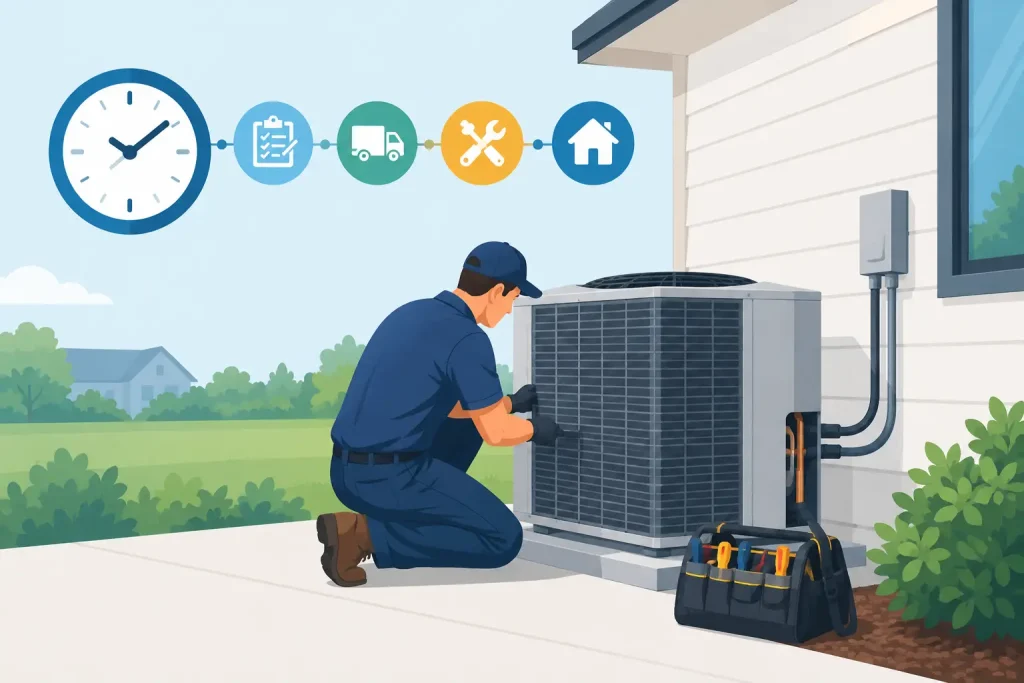
The best replacement projects are scheduled before an emergency forces the issue. Planning gives you time to compare options, select equipment that fits the building, and coordinate work around office hours or slower business periods.
For a small office, much of the installation may be completed during a single day, depending on the system and site conditions. Larger buildings, multiple units, rooftop equipment, or duct modifications can take longer. The contractor should explain the expected timeline, who needs access to the building, and whether any temporary comfort measures are needed while work is underway.
Communication with staff and tenants matters. Let people know when technicians will arrive, which areas may be affected, and whether there could be short periods without heating or cooling. If your office has servers, sensitive equipment, medical supplies, or customer-facing spaces, mention that before the project begins. Those details can shape the installation plan.
Choose Equipment for How Your Building Actually Operates
Office HVAC equipment should be selected based on more than square footage. A professional assessment should consider occupancy, ceiling height, sun exposure, insulation, window area, internal heat from computers and equipment, zoning needs, and operating hours.
For example, an office with a busy reception area and lightly used private rooms may benefit from better zoning or programmable controls. A medical or professional office with steady occupancy may have different ventilation needs than a warehouse office with only a few people on site. There is no one-size-fits-all answer, which is why customized recommendations matter.
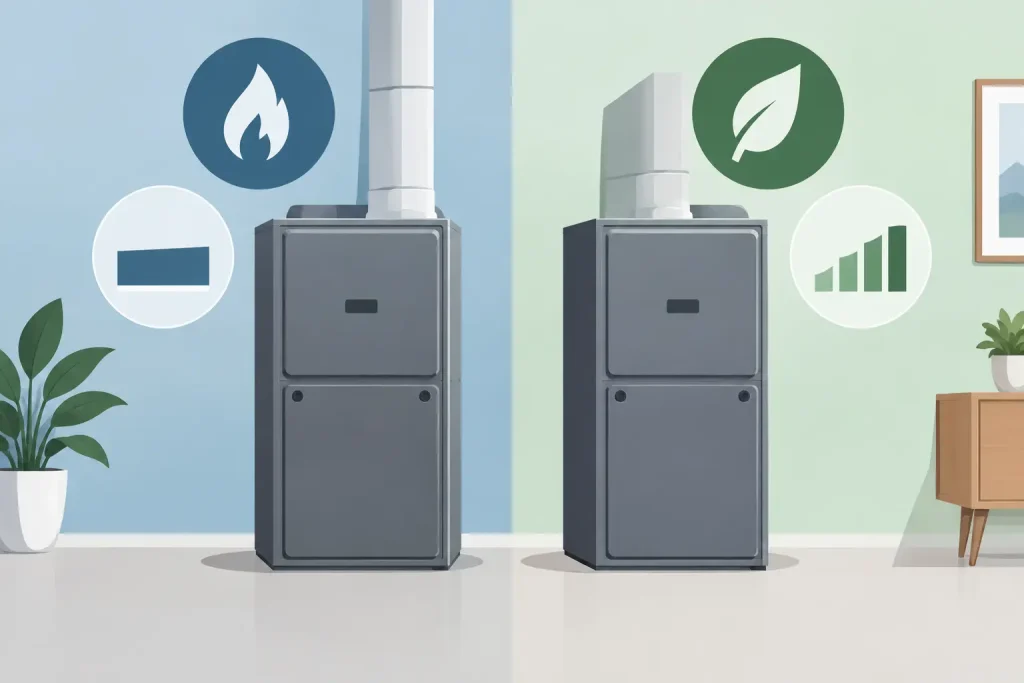
Modern high-efficiency equipment may reduce operating costs, but the payback depends on how much the system runs and the condition of the building. If conditioned air is escaping through poor insulation, damaged ductwork, or leaky doors, replacing the HVAC unit alone may not solve every comfort issue. Addressing those problems during the project can help the new system perform as intended.
Do Not Overlook Controls, Ductwork, and Maintenance
A new HVAC system can only perform as well as the supporting components around it. Thermostats and building controls should be checked for accuracy and programming. Outdated controls can cause equipment to run at the wrong times, create inconsistent temperatures, or waste energy after business hours.
Ductwork should also be evaluated for leaks, poor connections, restricted airflow, and insulation issues. In some office buildings, duct problems are the reason certain rooms never feel comfortable. A replacement is an ideal time to correct airflow issues rather than carrying them over to new equipment.
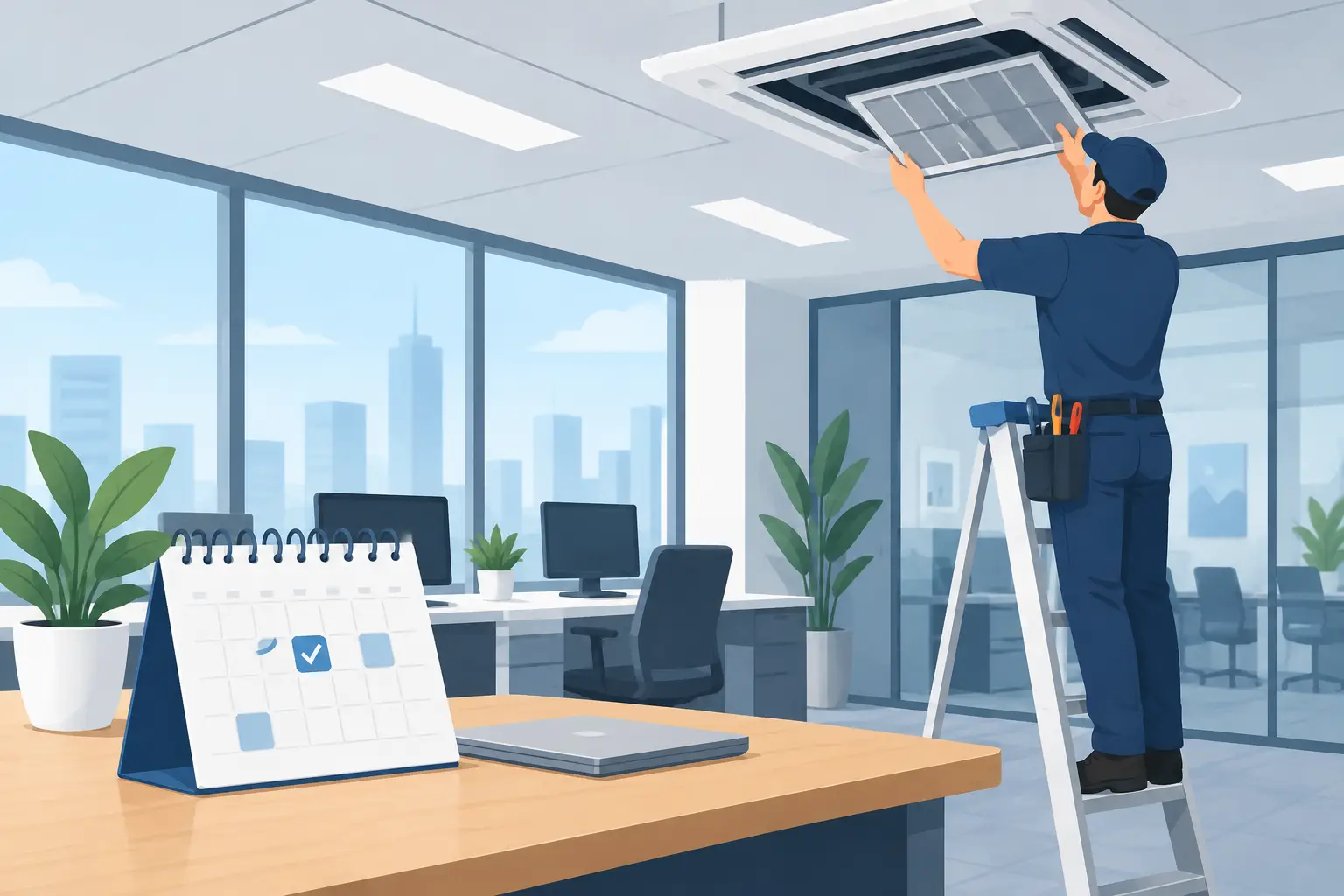
Once the new system is installed, preventive maintenance protects the investment. Filter changes, coil cleaning, drain inspections, electrical checks, and seasonal tune-ups can reduce surprise breakdowns and help preserve efficiency. Maintenance also gives technicians a chance to spot small concerns before they become a disruption for your office.
What to Expect From a Professional Replacement Quote
A trustworthy HVAC contractor should begin with questions, not pressure. They should want to know what comfort problems you have experienced, how often the system has been repaired, which areas of the office are difficult to heat or cool, and what schedule works for your business.
The recommendation should be easy to understand. You should know why a certain capacity, efficiency level, or equipment type is being proposed and what trade-offs come with each option. Licensed technicians should handle the work carefully, test the system at startup, and leave the work area clean.
For offices in Baltimore, Dundalk, and nearby Maryland communities, ABC Cooling & Heating provides clear assessments and customized commercial HVAC recommendations built around your building’s needs. The goal is not to sell more equipment than you need. It is to restore dependable comfort with a system that makes sense for your property and budget.
If your office is dealing with repeat repairs, uneven temperatures, or an HVAC unit that cannot keep up, do not wait for the busiest day of the season to make a decision. A professional evaluation now can give you options, protect your schedule, and help keep the people in your building comfortable when it matters most.