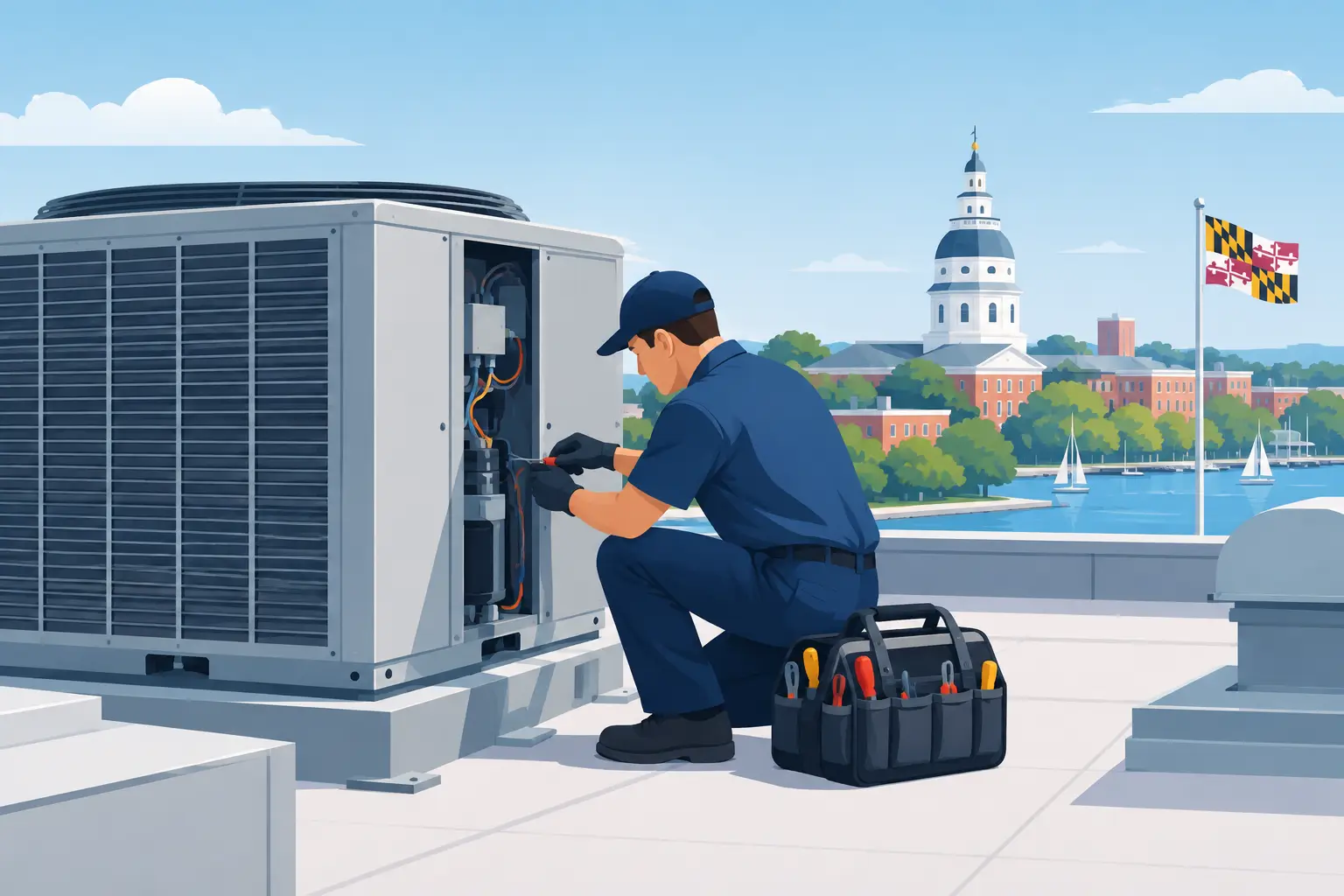
A failed rooftop unit during a Baltimore heat wave can quickly become more than a comfort issue. Tenants complain, employees lose focus, customers leave early, and a small repair can turn into an emergency expense. This commercial HVAC maintenance guide is designed to help property managers, landlords, and small business owners prevent those disruptions before they affect the people who rely on their building.
Commercial HVAC maintenance is not just about checking a box for a service agreement. It is a practical way to protect equipment, manage utility costs, maintain indoor air quality, and get a clearer picture of when a repair or replacement is actually necessary. The right plan depends on your building, system type, occupancy, and operating hours, but every well-maintained system starts with regular attention.
Why Commercial HVAC Maintenance Pays Off
Heating and cooling equipment works harder than most people realize. A system may run early in the morning before staff arrives, continue through busy afternoon hours, and cycle after closing to keep inventory, technology, or tenants protected. Filters load up, drains collect debris, electrical components wear, and refrigerant issues can slowly reduce performance long before the system stops completely.
Preventive service catches many of these concerns when they are still manageable. A loose electrical connection, worn belt, blocked condensate drain, or dirty coil may be a straightforward service call today. Left alone, the same problem can strain major components and create an untimely breakdown.
There is also an energy-cost side to maintenance. When airflow is restricted or controls are not operating correctly, equipment must work longer to reach the thermostat setting. Maintenance will not solve every high utility bill, especially in an older or poorly insulated building, but it can eliminate waste caused by neglected equipment.
Build a Commercial HVAC Maintenance Schedule
For many small commercial properties, professional service twice a year is a sensible baseline: once before cooling season and once before heating season. Buildings with longer operating hours, high occupant traffic, commercial kitchens, server rooms, medical uses, or dust-heavy work areas may need more frequent checks.
A maintenance schedule should be based on how the property is used, not simply the date on the calendar. A retail shop open seven days a week places different demands on equipment than a lightly occupied office. Likewise, a mixed-use building may have separate needs for tenant spaces, common areas, and equipment rooms.
Spring Cooling Maintenance
Before Maryland’s summer humidity arrives, a licensed HVAC technician should inspect the cooling side of the system. This typically includes checking refrigerant performance, cleaning or inspecting condenser and evaporator coils, testing capacitors and contactors, confirming proper airflow, and inspecting condensate drainage.
Drain line service matters more than it may seem. In humid weather, air conditioners remove a significant amount of moisture from indoor air. A blocked drain can cause water damage, shutdowns, or mold concerns around air handlers. Catching that issue early helps protect both the equipment and the building.
Fall Heating Maintenance
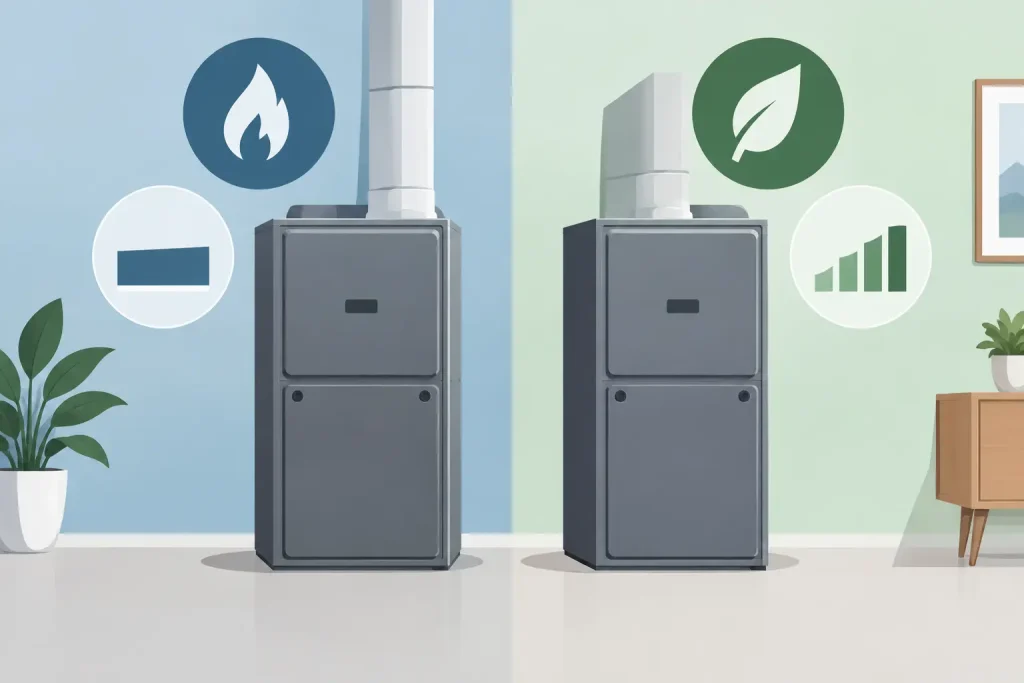
Fall service focuses on safe, dependable heating. For gas-fired equipment, technicians should inspect burners, ignition components, venting, heat exchangers where accessible, safety controls, and carbon monoxide risks. Heat pumps need their own seasonal checks because they provide both heating and cooling and operate differently from a standard furnace and air conditioner setup.
A heating inspection is especially valuable for properties that sit vacant overnight or have vulnerable occupants. No property manager wants to discover a heating issue only after frozen pipes, uncomfortable tenants, or a no-heat service call.
What a Professional Commercial HVAC Visit Should Cover
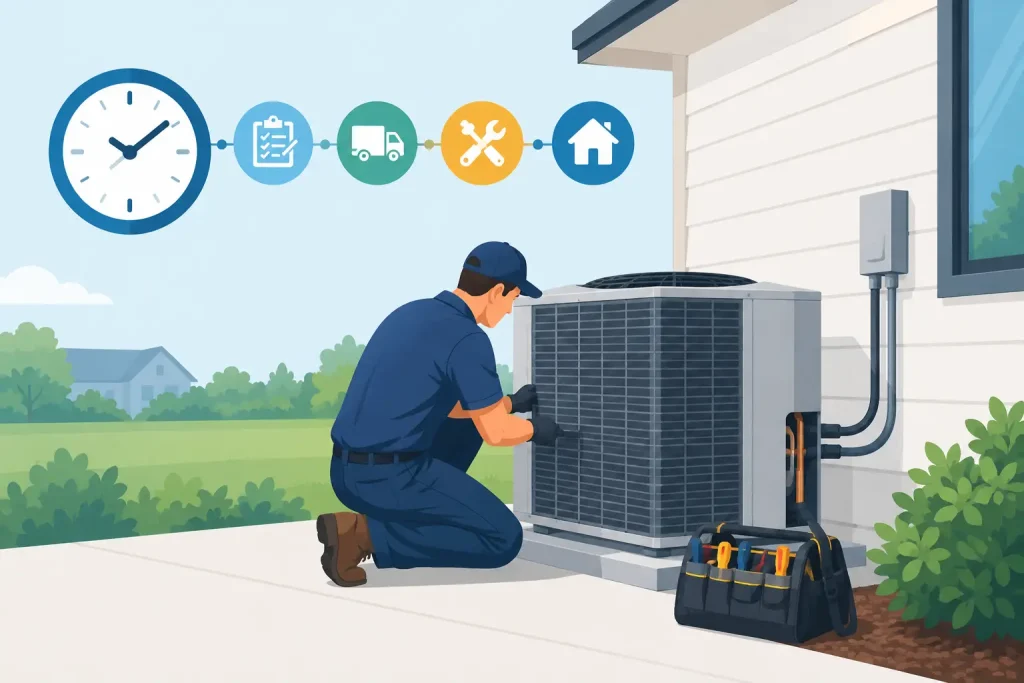
A thorough visit should go beyond changing filters and looking at the thermostat. The technician should assess how the equipment is performing and communicate what was found in plain language. That gives you a chance to budget for repairs instead of being surprised by them.
Key maintenance work often includes:
- Inspecting filters, belts, motors, bearings, blowers, and accessible ductwork for wear or airflow restrictions.
- Testing electrical connections, relays, capacitors, disconnects, and operating controls for safe, reliable function.
- Cleaning coils and condensate components as needed to support heat transfer and moisture control.
- Checking thermostat operation, temperature split, refrigerant performance, combustion components, and safety controls.
- Documenting concerns, recommended repairs, and equipment conditions that may affect future reliability.
The exact scope varies by system. A rooftop unit, split system, boiler, furnace, heat pump, and ductless system each require different checks. A reliable contractor should explain what applies to your equipment rather than selling a one-size-fits-all checklist.
Between Visits: What Building Staff Can Watch For
Professional maintenance is essential, but site staff can often spot warning signs early. Make sure one person knows who to call and understands the basic signs of HVAC trouble. That small step can prevent a minor issue from becoming an after-hours emergency.
Pay attention to uneven temperatures, unusual sounds, persistent odors, water around equipment, weak airflow, frequent cycling, or a sudden change in energy use. A tenant complaint that one office is always too warm or too cold may point to a damper, thermostat, airflow, or equipment issue. It may also reflect a space-use change, such as added computers, new partitions, or higher occupancy.
Filters deserve special attention. The right replacement interval depends on the filter type, system design, and building conditions. A busy retail space or workshop may need filter changes far more often than a small, quiet office. Replacing a filter too late restricts airflow, while using the wrong filter can create pressure issues or fail to provide the needed level of filtration.
Keep equipment areas clear as well. Storage boxes, landscaping debris, and blocked access panels make servicing harder and can interfere with safe operation. Outdoor units need room for airflow, while indoor mechanical rooms need clear access for inspection and repair.
Know When Maintenance Is Not Enough
Preventive maintenance extends equipment life, but it cannot make every aging system economical to operate. If your property faces repeated breakdowns, expensive compressor or heat exchanger repairs, escalating energy bills, or ongoing comfort complaints, it may be time to evaluate replacement options.
Age alone does not decide the issue. A properly maintained system in a low-demand building may have useful life remaining, while a younger system that is undersized or poorly installed can struggle from the start. Repair may be the practical choice when the issue is isolated and the system is otherwise performing well. Replacement can make more sense when repair costs are recurring, parts are becoming difficult to source, or the equipment no longer matches the building’s needs.
A good recommendation should account for capacity, efficiency, ventilation, operating costs, and the needs of occupants. Bigger is not automatically better. Oversized equipment can short-cycle, control humidity poorly, and wear faster. The goal is a system that is correctly matched to the space and maintained for dependable operation.
Questions to Ask Your HVAC Service Provider
Clear communication is part of good maintenance. Ask whether the technician found any safety concerns, what should be repaired now, what can be monitored, and what may need to be budgeted for later. Request a written record of work performed and recommendations for each major piece of equipment.
It is also helpful to ask whether your current maintenance frequency fits the property. If filters are consistently dirty before scheduled service or equipment runs long hours, the answer may be more frequent visits. If the building use has changed, the maintenance plan should change with it.
For landlords and property managers, keeping maintenance records can also make turnover and vendor decisions easier. You will have a history of repairs, recurring concerns, and equipment age rather than relying on memory during a busy season.
A Practical Plan for More Reliable Comfort
The best commercial HVAC maintenance guide is one your team can actually follow: schedule seasonal professional service, assign basic site checks, keep records, and respond quickly to changes in performance. This approach gives you more control over repair timing and fewer surprises when temperatures are at their most demanding.
For commercial properties in Baltimore, Dundalk, and nearby Maryland communities, ABC Cooling & Heating can help build a maintenance approach around your equipment, occupancy, and budget. A quick inspection today can be the difference between a planned repair and a disruptive emergency call tomorrow.