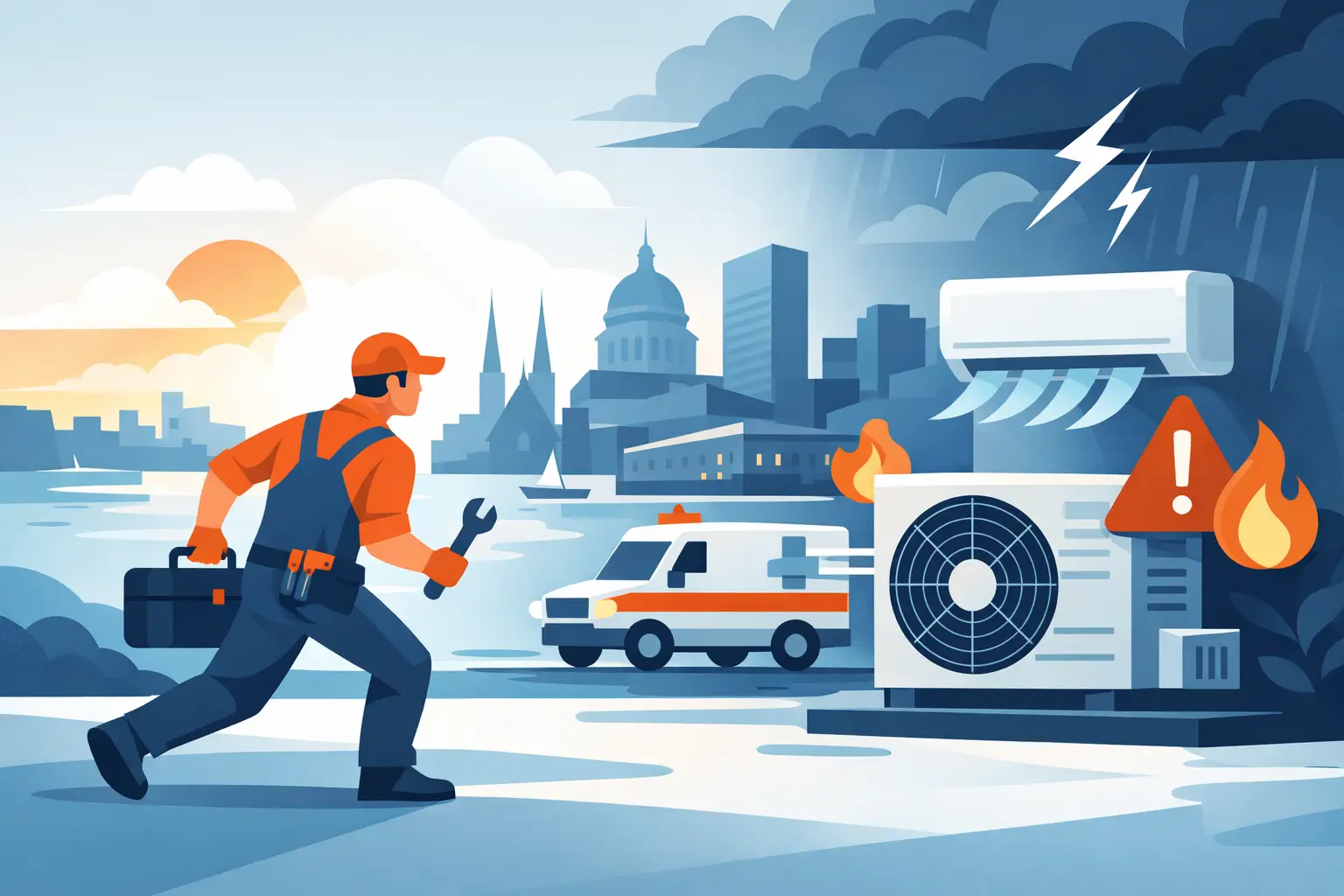
When your AC quits during a Baltimore heat wave or your furnace stops on a freezing night, waiting until morning is not a real option. Emergency HVAC service Baltimore MD homeowners and property managers can count on should do two things right away: restore safety and get comfort back fast.
That sounds simple, but not every urgent call is the same. A dead system in a single-family home, a rooftop unit acting up at a small business, and a tenant reporting no heat after hours all call for quick action, but the right fix depends on the equipment, the age of the system, and whether repair still makes financial sense. In an emergency, speed matters, but clear diagnosis matters just as much.
What counts as an HVAC emergency?
Some heating and cooling problems are inconvenient. Others need immediate attention. If your system will not turn on at all, is blowing hot air in peak summer, blowing cold air in winter, making burning smells, tripping breakers, leaking heavily, or causing indoor temperatures to become unsafe, that is no longer a routine service call.
For landlords and property managers, the stakes are even higher. No heat, no cooling in extreme weather, or a failing unit in an occupied space can quickly become a tenant issue, a property issue, and a business issue at the same time. Fast response helps limit damage, protect occupants, and keep a smaller problem from becoming a replacement emergency.
Why fast emergency HVAC service in Baltimore MD matters
Baltimore weather does not give you much room for delay. Summer humidity can make a failing AC system unbearable within hours, especially for older adults, young children, or anyone with health concerns. In winter, a heating outage can put pipes, property, and comfort at risk fast.
There is also the issue of system damage. A unit that keeps short cycling, freezing over, or running with airflow restrictions can push other parts of the system harder than they should. What starts as a capacitor, igniter, blower issue, or thermostat problem can turn into compressor or heat exchanger trouble if it is ignored.
Quick service is not only about convenience. It is about containing the problem while there is still a practical and affordable path forward.
What to expect from a professional emergency visit
A good emergency HVAC call should feel organized, not chaotic. First comes troubleshooting and diagnosis. A licensed technician should inspect the system, identify the cause of failure, and explain what is happening in plain language. If the fix is straightforward, the goal is to complete it efficiently on the spot.
If the system has multiple failing components or the repair cost is getting close to replacement territory, you should hear that clearly too. This is where honest service matters. Some emergencies end with a repair. Others reveal that the equipment is at the end of its service life. The right contractor does not pressure you. They explain the options, pricing, and likely outcome so you can make the best call for your home or property.
Common emergency HVAC problems in Baltimore homes and small businesses
In cooling season, emergency calls often involve systems that stop producing cold air, frozen evaporator coils, electrical failures, refrigerant issues, clogged condensate drains, or outdoor units that will not start. Some of these are repairable the same day. Others depend on the condition of the system and whether major components are involved.
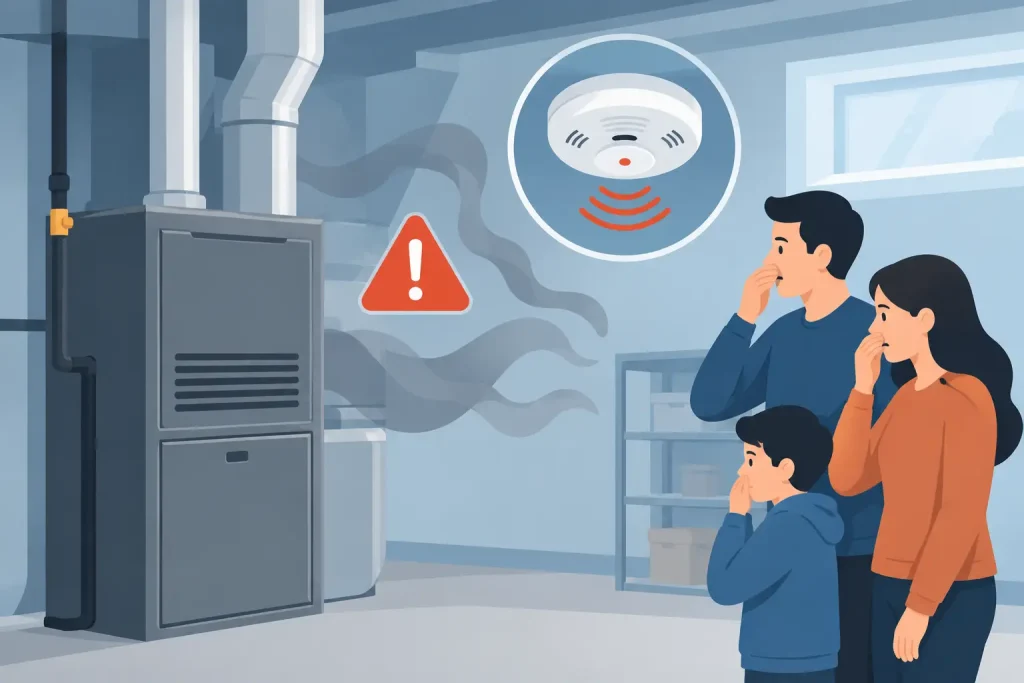
In heating season, common urgent issues include furnaces that will not ignite, no airflow, pilot or ignition failure, tripped safety switches, thermostat malfunctions, heat pump problems, or unusual smells and noises. If there is any concern about gas smell or carbon monoxide risk, the system should be turned off and addressed immediately.
Commercial clients often deal with a different layer of urgency. A failing HVAC system in an office, retail space, or rental property can affect employees, customers, and equipment. The priority is usually restoring operation quickly while minimizing downtime.
Repair or replace? In an emergency, it depends
This is one of the biggest questions people face during an urgent HVAC breakdown. If the unit is relatively new, has been maintained, and the repair is limited to a single failed part, repair is often the right move. You want the least disruptive fix that restores reliable performance.
But if the system is older, has a pattern of breakdowns, or needs an expensive repair on top of poor efficiency, replacement may be the smarter long-term decision. That can be hard to hear during an emergency, especially when you want a fast fix and not a bigger project. Still, replacing a failing system can save money and stress if the current equipment is already unreliable.
The key is getting a recommendation based on condition and value, not guesswork. A trustworthy technician should explain the trade-off between immediate repair cost and ongoing ownership cost.
How local service makes a difference
When you need emergency HVAC service in Baltimore MD, local experience matters more than people think. Baltimore homes and light commercial spaces include everything from older rowhomes and duplexes to updated single-family houses and mixed-use buildings. Those properties do not all behave the same when heating and cooling systems fail.
A local team understands common system layouts, seasonal weather pressure, and the urgency that comes with serving neighborhoods across Baltimore, Dundalk, and nearby Maryland communities. Faster dispatch, better familiarity with area housing stock, and a service-first approach can make the whole process smoother when time matters.
That is one reason many customers look for a company like ABC Cooling & Heating when comfort issues cannot wait. They want licensed technicians, straightforward communication, and repairs handled with urgency and professionalism.
What you can do before the technician arrives
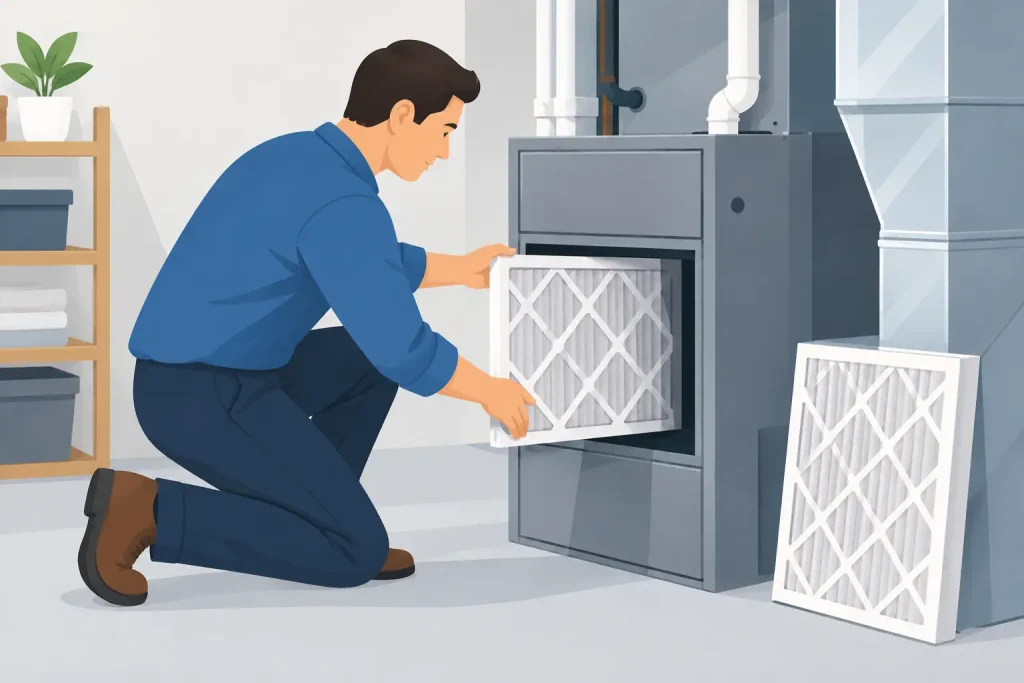
Not every outage has a simple reset, but a few quick checks can save time. Make sure the thermostat is set correctly and has power. Check whether the breaker has tripped. Replace a heavily clogged air filter if you have one on hand. For AC issues, confirm the outdoor disconnect is on and that the drain line is not obviously overflowing. For heating issues, confirm the furnace switch is on.
After that, it is usually best not to keep forcing the system to run. Repeated restarts can make some failures worse. If you notice burning odors, loud banging, or anything that suggests an electrical or gas-related issue, shut the system down and wait for professional service.
Choosing the right emergency HVAC company
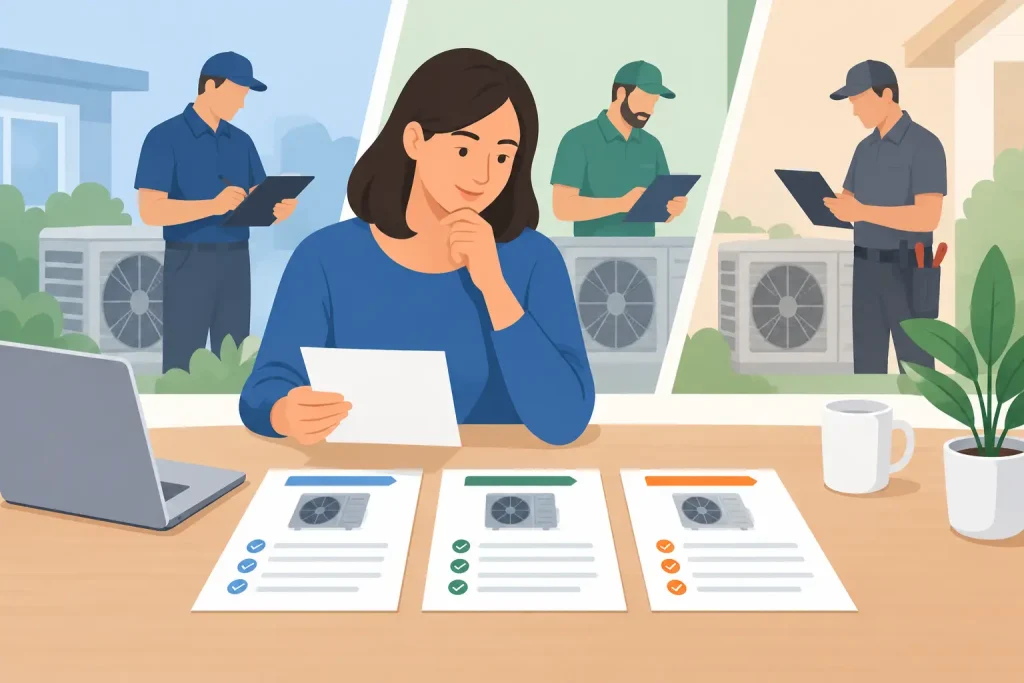
In an urgent situation, people often call the first number they see. That is understandable, but you still want a few basics from the company you bring in. Licensed technicians, clear communication, fair pricing, and strong local reviews are a good place to start. So is a full-service company that can handle repair, maintenance, and replacement if the situation changes.
This matters because emergency work is rarely just about today. If your system is aging, you may need follow-up service, a quote for replacement, or a maintenance plan to reduce future breakdowns. Working with a contractor that can support the full life of the system gives you more continuity and fewer surprises.
The best emergency call is the one you avoid
No HVAC system lasts forever, and even well-maintained equipment can fail unexpectedly. But many emergency calls start with warning signs that were easy to miss or easy to postpone. Weak airflow, rising utility bills, uneven temperatures, strange noises, and short cycling often show up before a full shutdown.
Seasonal maintenance will not prevent every emergency, but it can reduce the odds. It gives technicians a chance to catch worn parts, airflow issues, drainage problems, and safety concerns before extreme weather pushes the system over the edge. For homeowners, that means more reliable comfort. For landlords and commercial property operators, it means fewer after-hours disruptions and less risk of tenant complaints or business interruption.
When your heating or cooling system fails unexpectedly, the right response is not panic. It is getting qualified help quickly, getting a clear explanation of the problem, and choosing the fix that makes sense for your property and budget. Comfort problems feel urgent because they are, but with responsive service and honest guidance, they do not have to turn into bigger problems than they already are.
If your system is acting up now, pay attention to what it is telling you. Fast action today can save you time, money, and a much longer night.
One Response