
A furnace usually stops being “good enough” right when you need it most – during a cold snap, with uneven heat, rising utility bills, or a repair estimate that makes replacement look a lot more reasonable. If you are weighing affordable furnace replacement options, the real question is not just how to spend less today. It is how to avoid overpaying for the wrong system, the wrong size, or a short-term fix that keeps costing you later.
For homeowners, landlords, and small property managers, affordability means balance. You want a system that fits the building, keeps people comfortable, and does not create new problems with energy use or frequent breakdowns. The lowest sticker price is not always the best value, and the highest-efficiency unit is not always the smartest buy either.
What makes a furnace replacement affordable?
Affordable furnace replacement options start with total cost, not just equipment cost. A low-priced furnace can become expensive if it is oversized, installed poorly, or matched with ductwork that restricts airflow. On the other hand, a mid-range system installed correctly can deliver steady heat, lower monthly bills, and fewer repair calls.
The most affordable choice usually depends on four things: your home’s size, your fuel source, your current duct setup, and how long you plan to keep the property. If you expect to stay in the home for years, efficiency matters more. If you manage a rental, durability and dependable performance may matter just as much as advanced features.
Age also matters. If your furnace is 15 to 20 years old, needs frequent repairs, or struggles to heat the space evenly, replacement often makes better financial sense than another major repair. That is especially true when a repair addresses only one failing part while the rest of the system is still worn down.
The most common affordable furnace replacement options
A practical replacement starts with choosing the right type of system. In most homes, the decision comes down to standard-efficiency gas furnaces, high-efficiency gas furnaces, electric furnaces, or in some cases a heat pump if the property and budget support it.
Standard-efficiency gas furnaces
For many Maryland-area homes already set up for natural gas, a standard-efficiency gas furnace can be one of the most budget-friendly replacement paths. Installation is often more straightforward when the fuel source and venting are already in place. These systems typically cost less upfront than high-efficiency models and can be a sensible option for smaller homes, rental properties, or households focused on lower initial expense.
The trade-off is operating cost. A standard-efficiency model usually uses more fuel over time, so monthly savings may be lower. If the home has high heating demand, that difference can add up.
High-efficiency gas furnaces
High-efficiency gas furnaces cost more at the beginning, but they can lower heating bills and provide more consistent comfort. Many include variable-speed blowers or two-stage heating, which help avoid the blast-on, blast-off feeling older systems often create.
This option makes sense when you plan to stay in the property for a while, want better energy performance, or are replacing a system in a larger home where winter heating costs are significant. The key is not assuming the highest efficiency automatically pays off. In some homes, the payback is strong. In others, a mid-efficiency option may be the smarter balance.
Electric furnaces
Electric furnaces often carry a lower equipment price and can be simpler to install in properties without gas service. That can make them appealing when upfront budget is tight.
The catch is operating cost. In many cases, electric resistance heat is more expensive to run than gas. For a mild-climate area or a smaller, occasionally used space, that may be manageable. For a full-time residence in winter, those utility bills can become the bigger issue.
Heat pumps as an alternative
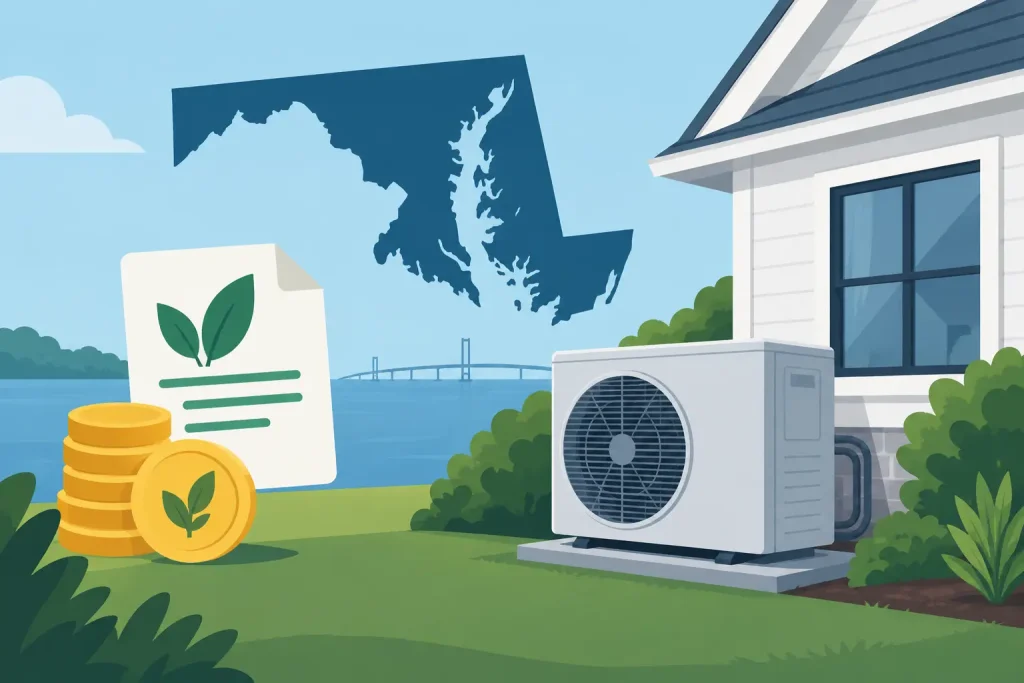
Strictly speaking, a heat pump is not a furnace, but it deserves mention when people ask about affordable furnace replacement options. In some homes, especially those already considering broader HVAC upgrades, a heat pump can handle both heating and cooling with strong efficiency.
This route depends on the home, insulation levels, ductwork, and budget. It may cost more initially, but it can reduce year-round energy use. For some property owners, replacing an aging furnace and AC system together with a heat pump setup creates better long-term value than replacing only the furnace.
How to keep replacement costs under control
The easiest way to overspend is to shop by brand name alone or choose equipment before anyone has evaluated the home. A proper load calculation, duct inspection, and review of your comfort issues can prevent expensive mistakes.
Sizing matters more than many people realize. A furnace that is too large may short cycle, waste energy, and wear out components faster. One that is too small may run constantly and still leave cold rooms. Either way, you pay for it.
Installation details matter too. Reusing parts of the old setup can save money when those components are still in good shape, but cutting corners on venting, filtration, thermostat compatibility, or airflow adjustments often leads to comfort complaints and service calls. A fair quote should explain what is included and why.
If budget is a concern, ask whether a single-stage furnace with solid reliability makes more sense than paying extra for premium features you may not need. Many homes do very well with straightforward systems installed by licensed technicians who size and set them up correctly.
Repair vs. replacement: where affordability really changes
People often ask whether they should squeeze one more season out of an old furnace. Sometimes that is reasonable. If the repair is minor and the unit is otherwise dependable, a repair can buy useful time.
But if the heat exchanger is failing, the blower motor is near the end, or the system has become a regular source of repair bills, replacement usually becomes the more affordable move. A common rule of thumb is to compare the repair cost, the furnace age, and the expected remaining life. A large repair on an aging system rarely improves the economics for long.
This is especially relevant for landlords and property managers. Repeated heating failures do not just cost money. They create tenant complaints, emergency calls, and schedule disruptions. A planned replacement is usually easier to manage than a mid-winter breakdown.
Rebates, financing, and timing can change the math
Affordability is not only about choosing the cheapest system. It is also about reducing the burden of the purchase. Manufacturer promotions, seasonal discounts, utility incentives, and financing options can all make a better system more accessible.
Timing can help too. Emergency replacement in the middle of a cold spell limits your choices and puts pressure on every decision. If your current furnace is declining but still running, replacing it before peak winter demand can give you more flexibility on equipment selection and scheduling.
For many customers, monthly payment matters as much as total quote. A slightly better system with manageable financing may be more practical than a bare-minimum unit that leads to higher utility costs and less comfort.
Affordable furnace replacement options for older homes
Older homes often need a more customized approach. Drafts, older ductwork, insulation gaps, and room-to-room temperature swings can make furnace replacement more complicated than simply swapping one unit for another.
In these homes, the affordable option may be a properly sized mid-efficiency furnace paired with duct improvements or thermostat updates rather than a top-tier furnace alone. If the home leaks heat badly, even the most efficient unit will struggle to deliver the results you expect.
That is why clear recommendations matter. A service-first contractor should explain whether your money is better spent on equipment, airflow corrections, or a combination of both. In parts of Baltimore and surrounding communities where housing stock varies widely, a customized recommendation often saves more than a one-size-fits-all package.
What to ask before you approve a quote
Before replacing your furnace, make sure you understand what you are buying. Ask whether the furnace size was calculated for your home, what efficiency level fits your usage, whether ductwork or venting needs adjustment, and what warranty coverage applies. You should also know whether the thermostat, filter cabinet, and any required code updates are included in the quote.
A dependable contractor will answer these questions clearly, without pushing you toward the most expensive system by default. Good guidance should feel practical, not sales-heavy.
If you are comparing quotes, compare scope as well as price. One lower quote may leave out items another company includes, which can change the final cost once installation begins. The goal is not just to get a cheap number. It is to get reliable heat, clean installation, and a system that makes sense for the property.
When you are looking at affordable furnace replacement options, the best choice is usually the one that solves the problem completely, fits your budget honestly, and keeps your home or building comfortable without turning every winter into a repair cycle. If your current furnace is becoming unreliable, now is the right time to ask better questions and make a decision that feels solid for the long run.