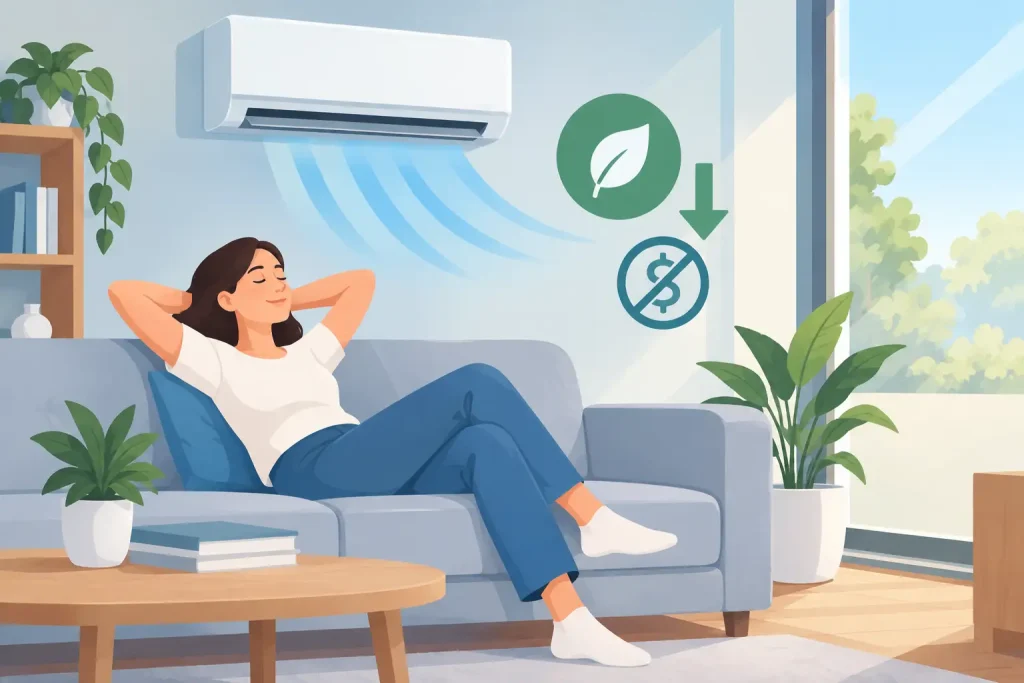

A heat pump retrofit is not simply a matter of removing an old furnace or air conditioner and putting new equipment in its place. In many Baltimore-area homes, the system can deliver efficient heating and cooling year-round, but the results depend on the house, existing ductwork, electrical capacity, and how the equipment is sized. A careful evaluation upfront helps prevent high utility bills, uneven rooms, and comfort problems when Maryland temperatures swing.
For homeowners, landlords, and property managers, the right question is not just, “Can I install a heat pump?” It is, “What will it take for a heat pump to keep this building comfortable reliably?” That is where a licensed HVAC technician’s assessment matters.
What Is a Heat Pump Retrofit?
A retrofit means adding a heat pump to an existing home or commercial space rather than designing the heating and cooling system for a new build. It may replace an aging central air conditioner, a furnace, a boiler, electric baseboard heat, or a combination of older equipment.
Most central heat pumps work through the same ductwork used by a forced-air furnace or AC system. In summer, they move heat out of the building like an air conditioner. In winter, they reverse that process and pull heat from outdoor air into the home. Modern cold-climate models can provide useful heat even when outdoor temperatures fall below freezing.
That does not mean every retrofit looks the same. A home with a newer gas furnace and sound ductwork may be a strong candidate for a dual-fuel setup, where the heat pump handles much of the heating season and the furnace supports the system during the coldest weather. A property without ducts may be better served by ductless indoor units. The best solution is based on the building, not a one-size-fits-all recommendation.
Is Your Home Ready for a Heat Pump Retrofit?
The age of the home alone does not decide whether a retrofit will work. Older homes throughout Baltimore, Dundalk, and nearby communities can often benefit from heat pump technology. However, the installation plan needs to account for the building’s condition.
Start With a Load Calculation, Not Equipment Size
A system should be sized using a professional heating and cooling load calculation. This measures how much heating and cooling the building needs based on square footage, insulation, windows, air leakage, ceiling height, orientation, and other factors.
Oversizing is a common mistake. A larger unit may sound safer, but it can cycle on and off too frequently, remove less humidity in summer, create temperature swings, and wear down sooner. An undersized unit can struggle during extreme weather. Proper sizing is one of the most important parts of dependable comfort.
Inspect Ductwork Before Reusing It
Existing ducts can make a retrofit more straightforward, but they should not be assumed to be ready. Leaks, crushed flex duct, poor insulation, undersized return ducts, and unbalanced supply runs can limit the performance of even excellent equipment.
A technician should inspect the duct system for airflow restrictions and leakage. In some cases, sealing and insulating ducts is enough. In others, sections may need to be redesigned or replaced. If certain rooms are consistently too hot or too cold, that issue should be addressed before the new system is installed.
Check Electrical Capacity
Heat pumps run on electricity, so the electrical panel and service need to support the new equipment. Depending on the system, a retrofit may require a new circuit, disconnect, wiring upgrades, or an electrical panel evaluation.
This is especially relevant when replacing a gas furnace with an all-electric heat pump. The project can still be a good fit, but it is better to identify electrical needs before installation day rather than after the old system has been removed.
Improve the Building Envelope When Needed
A heat pump does not fix poor insulation or major air leaks. If conditioned air is escaping through an uninsulated attic, drafty windows, gaps around penetrations, or an unsealed crawl space, the system must work harder to maintain comfort.
Basic weatherization can improve the value of a retrofit. It may reduce the required equipment capacity, improve room-to-room temperatures, and lower operating costs. For a property owner planning a larger HVAC investment, this work is often worth considering at the same time.
Choosing Between Ducted, Ductless, and Dual-Fuel Systems
A heat pump retrofit should match how the property is used. A ducted central heat pump is often a practical choice for homes that already have a functional forced-air system. It provides whole-home heating and cooling through one indoor air handler and outdoor unit.
Ductless heat pumps use wall-mounted, floor-mounted, or concealed indoor units. They work well for additions, converted garages, upper floors, older homes without ductwork, and spaces with persistent comfort issues. They also allow room-by-room temperature control, which can be useful in rental properties or small commercial spaces with varying occupancy.
A dual-fuel system pairs a heat pump with a gas furnace. The heat pump handles heating during milder conditions, while the furnace takes over when temperatures reach a set point or when additional capacity is needed. This approach can be especially appealing for homeowners who want electric heating efficiency without giving up the reassurance of a furnace during a Maryland cold snap.
All-electric heat pumps are another option. Whether they are the right choice depends on the home’s insulation, electrical setup, local utility costs, and the selected equipment. There is no universal winner. A clear estimate should explain the trade-offs in comfort, installation scope, maintenance, and expected operating costs.
What Can Affect Heat Pump Retrofit Cost?
The equipment is only one part of the project cost. A straightforward replacement using existing, properly sized ducts and adequate electrical service will usually require less work than a complete conversion from boiler heat or electric baseboards.
Costs can change based on system capacity, efficiency level, duct repairs, electrical upgrades, thermostat controls, condensate drainage, permits, indoor air quality accessories, and the number of zones needed. Access can matter too. Tight utility rooms, attic installations, and multifamily properties may require additional labor and planning.
When comparing estimates, look beyond the bottom-line number. Make sure the scope explains what will happen to the old equipment, whether duct or electrical work is included, how the system will be sized, and what warranty coverage applies. A low quote that leaves out required upgrades can become more expensive later.
Plan for Cold Weather and Backup Heat
Maryland winters are not consistently severe, but temperatures can drop quickly. A properly selected cold-climate heat pump can perform well in local conditions. Still, the backup heat strategy should be discussed before installation.
Backup heat may come from an existing gas furnace in a dual-fuel setup, electric heat strips in an air handler, or another approved supplemental source. The goal is not to assume the heat pump will fail. It is to make sure the home has enough capacity to stay safe and comfortable during the coldest periods.
The thermostat controls are part of this plan. Proper configuration determines when backup heat operates and helps prevent unnecessary use of more expensive auxiliary heat. This is a detail that can affect both comfort and monthly energy costs.
Maintenance Protects the Investment
Heat pumps operate in every season, which makes routine maintenance especially valuable. The outdoor unit needs clear airflow and should be kept free of leaves, snow buildup, and debris. Indoor filters need regular replacement, and drain lines, electrical connections, refrigerant performance, and airflow should be checked by a qualified technician.
For landlords and small commercial property operators, scheduled maintenance also reduces the chance of an unexpected outage during a tenant complaint or busy workday. Small issues such as a dirty coil, weak capacitor, or clogged drain can become larger repairs if ignored.
Work With a Contractor Who Evaluates the Whole System
A heat pump is a long-term comfort decision, not an appliance purchase. The contractor should evaluate the home, explain the options in plain language, and provide a recommendation that fits the property rather than pushing the highest-capacity model.
ABC Cooling & Heating helps local property owners assess equipment condition, ductwork, controls, and installation requirements before recommending a replacement path. The goal is simple: dependable heating in winter, comfortable cooling in summer, and a system that makes sense for your budget.
Before committing to a retrofit, ask for a thorough on-site evaluation and a clear written scope of work. A little planning now can make the difference between a heat pump that merely runs and one that keeps your home comfortable for years.