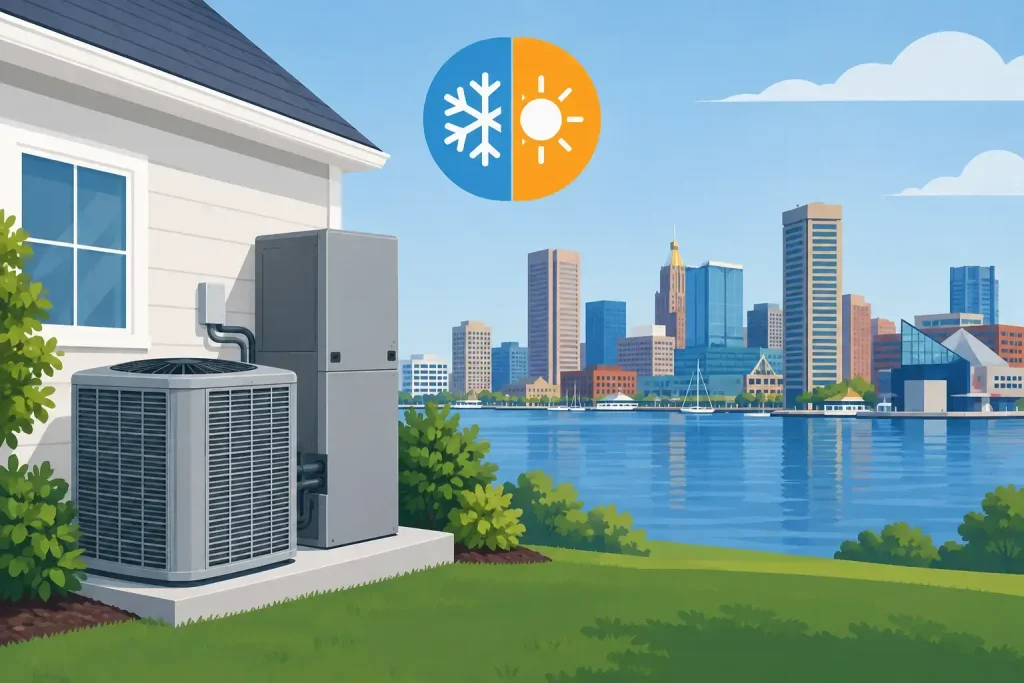
A new HVAC system is one of the biggest comfort decisions a property owner makes. The best HVAC systems are not simply the units with the highest efficiency rating or the lowest upfront price. For Baltimore-area homes and small commercial spaces, the right system must handle humid summer days, chilly winter nights, the building’s layout, and the way people actually use the space.
A system that is too small may run constantly without keeping up. One that is too large can cycle on and off too often, leaving rooms unevenly cooled and adding unnecessary wear. The goal is dependable, even comfort with reasonable operating costs and equipment that can be serviced properly for years to come.
What Makes the Best HVAC Systems a Good Fit?
The best choice depends on your property, not a one-size-fits-all recommendation. A licensed technician should look beyond the existing equipment label before suggesting a replacement. The age and insulation of the building, window exposure, duct condition, ceiling height, occupancy, and hot or cold rooms all affect system performance.
Proper sizing is especially important. HVAC capacity is commonly measured in tons or BTUs, but matching capacity to square footage alone is not enough. A detailed load calculation accounts for heat gain and heat loss throughout the structure. This helps prevent the common mistake of replacing an old unit with the same size when the old unit may have been incorrectly sized from the start.
Efficiency also matters, but it should be considered in context. Higher-efficiency air conditioners and heat pumps can reduce energy use, especially in a home where the system runs heavily. However, the right value depends on your budget, expected time in the property, utility costs, and the condition of the ductwork. A premium unit cannot perform as intended if it is paired with leaky ducts or poor airflow.
Central Air Conditioning and Furnace Systems
For many Maryland homes, a split system with a central air conditioner and gas furnace remains a practical, familiar option. The outdoor AC unit provides cooling, while the indoor furnace provides heat and moves conditioned air through the ductwork year-round.
This setup can be a strong choice for homes that already have usable ducts and access to natural gas. A high-efficiency furnace can provide reliable heat during cold weather, while a properly matched central air conditioner manages summer humidity and temperature. It is also straightforward for many homeowners to maintain, since the filter, thermostat, and major components are part of one coordinated system.
The trade-off is that a furnace and air conditioner are two primary pieces of equipment. If one is nearing the end of its service life, homeowners often need to decide whether replacing both together makes better long-term sense. Replacing a mismatched indoor or outdoor component can affect efficiency, warranty coverage, and overall performance.
When a Furnace and AC Combination Makes Sense
A central furnace and AC system is often a good fit when your ducts are in good condition, your home has natural gas service, and you prefer separate heating and cooling equipment. It can also be a sensible replacement path when an existing split system has reached the point where frequent repairs no longer provide good value.
Heat Pumps: Efficient Heating and Cooling in One System
Modern heat pumps have become a leading option for homeowners who want electric heating and cooling from one outdoor unit. In cooling mode, a heat pump works much like an air conditioner. In heating mode, it moves heat from outside air into the home rather than generating heat through combustion.
For much of Maryland’s heating season, that can be highly efficient. Today’s heat pumps can operate in cold weather, though performance and operating cost vary by model, outdoor temperature, home insulation, and electric rates. Some homes benefit from a heat pump paired with a gas furnace, often called a dual-fuel system. The heat pump handles milder weather, while the furnace takes over during colder conditions when gas heat may be the more practical option.
Heat pumps are worth serious consideration for all-electric homes, properties without gas service, and homeowners planning to reduce fossil fuel use. They also provide cooling, so there is no need for a separate central air conditioner. The key is selecting equipment designed for the climate and installing it with the right electrical capacity, airflow, refrigerant charge, and thermostat controls.
Ductless Mini-Splits for Targeted Comfort
Ductless mini-split systems are useful where traditional ducts are not available or where a specific area never stays comfortable. They use an outdoor unit connected to one or more indoor air handlers, allowing different rooms or zones to be controlled independently.
They can work well in finished basements, additions, garages, older homes, converted attics, and rooms that are far from the main thermostat. A ductless system may also be a practical alternative when installing new ductwork would be disruptive or expensive.
Zoning is the major advantage. You can cool or heat an occupied room without conditioning the entire building to the same level. On the other hand, indoor wall-mounted units are visible, and multi-zone designs require thoughtful planning. A ductless system is not automatically the right answer for every house, particularly when an existing ducted system could be repaired or improved at a lower cost.
Packaged HVAC Units for Certain Properties
Packaged systems place the heating and cooling components in one outdoor cabinet, usually installed on a roof, slab, or platform. They are more common in small commercial buildings, manufactured homes, and properties with limited indoor mechanical space.
A packaged unit can simplify the indoor layout because it does not require a separate furnace or air handler inside. It still needs quality ductwork, correct sizing, and regular maintenance. For commercial property owners, rooftop access, drainage, curb condition, and service accessibility should be part of the installation conversation.
Features Worth Paying Attention To
Once the system type is narrowed down, a few features can make a meaningful difference in comfort. Variable-speed blowers can run at lower speeds for longer periods, which may improve airflow consistency and humidity control. Two-stage or variable-capacity equipment can adjust output instead of operating only at full power.
These features are especially helpful in homes with temperature swings between floors or rooms. They are not required in every installation, and they usually cost more upfront. In a smaller, well-balanced home, a properly installed single-stage system may still deliver reliable comfort. The best choice is the one that solves your actual comfort problems without paying for features you will not use.
Smart thermostats can also help when they are matched to the equipment and set up correctly. They are useful for scheduling, monitoring, and adjusting temperatures remotely, but they cannot correct poor sizing, failing ducts, or neglected maintenance.
Do Not Overlook Ductwork and Installation Quality
Even the best HVAC system can disappoint if installation details are ignored. Duct leaks, undersized return vents, blocked supply registers, poor drainage, and incorrect refrigerant levels can all reduce comfort and efficiency.
Before replacing equipment, ask for an evaluation of airflow and duct condition. In older Baltimore homes, ductwork may have loose connections, inadequate insulation, or return-air limitations that affect every room. Addressing these concerns during installation can help a new system deliver the results you expect.
Installation quality also affects equipment longevity. Proper electrical connections, condensate drainage, startup testing, and manufacturer-required settings are not extras. They are part of a dependable installation. A clear proposal should explain what equipment is being installed, what work is included, and whether duct, electrical, or thermostat upgrades are recommended.
How to Choose Without Guesswork
Start by identifying the problem you need the system to solve. If your current system cools unevenly, runs constantly, breaks down often, or leaves indoor air damp in summer, those details matter. A replacement decision should be based on the condition of the equipment, repair history, comfort concerns, and operating costs rather than age alone.
For landlords and commercial property managers, reliability and serviceability may carry more weight than premium features. For a long-term homeowner, higher efficiency, quieter operation, and improved humidity control may justify a larger initial investment. There is no single winner for every property.
Ask for options at more than one performance level and compare the complete scope of work, not just the equipment name. The lowest quote may leave out necessary duct repairs, electrical updates, drain work, or commissioning. A fair recommendation explains the differences clearly and gives you room to make an informed choice.
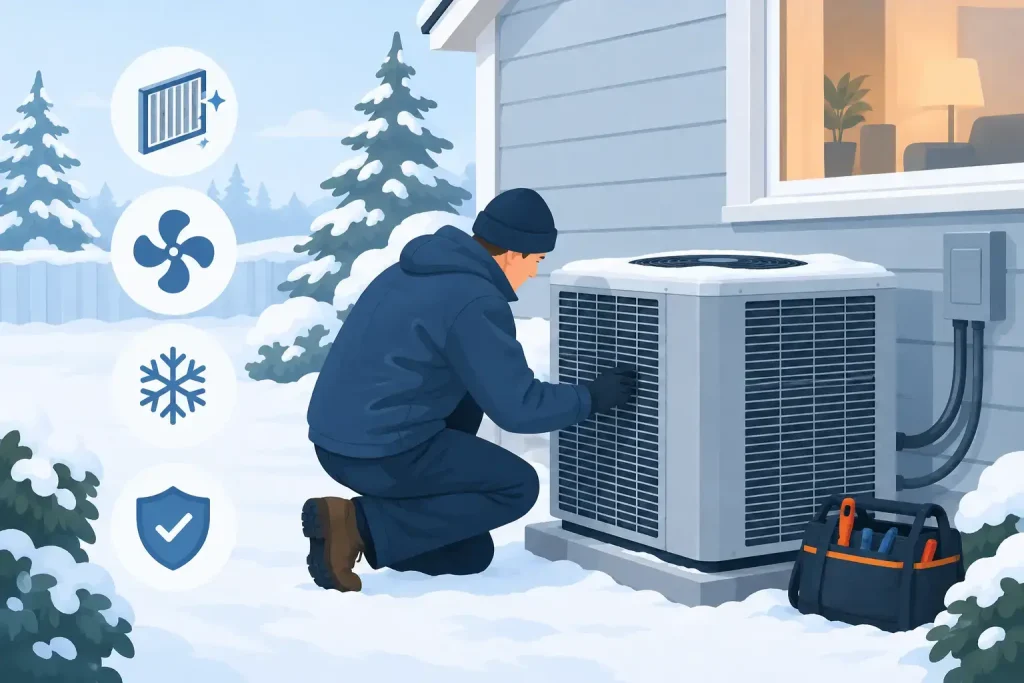
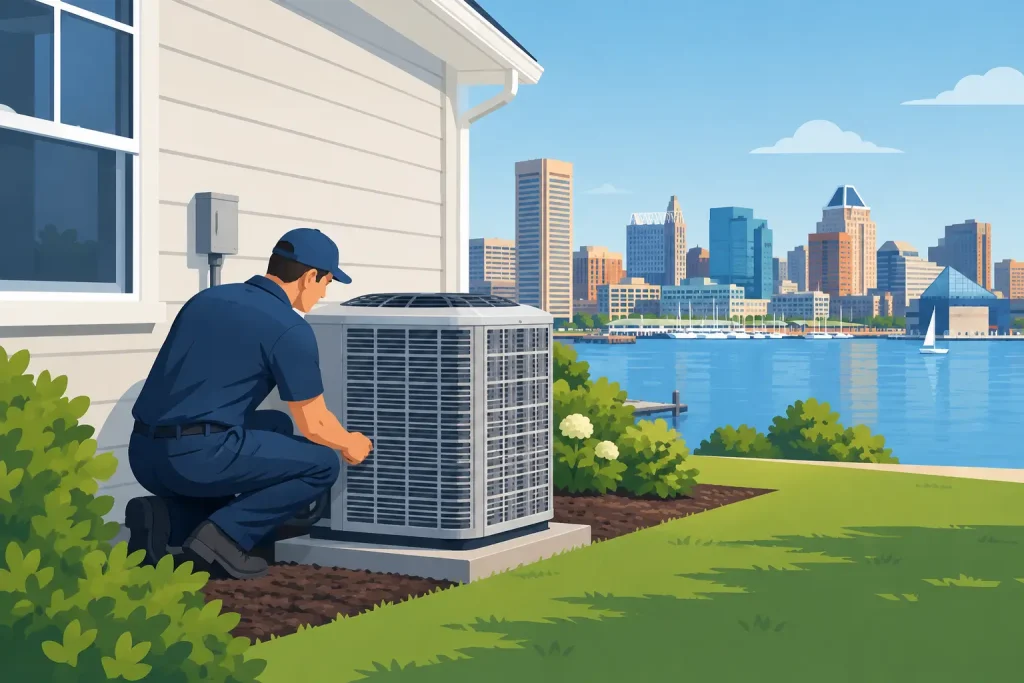
A well-maintained system lasts longer and performs better, whatever type you choose. Change filters regularly, keep outdoor equipment clear of debris, and schedule professional maintenance before heavy heating and cooling seasons. If your system is no longer keeping your home or workplace comfortable, a careful assessment can turn a stressful replacement into a confident next step.