
A furnace replacement is not a purchase most Baltimore-area property owners plan for. It usually becomes urgent when an older system stops heating, repair costs climb, or a cold snap exposes a problem that has been building for years. The electric versus gas furnace decision affects more than the equipment in your utility room – it shapes your monthly operating costs, installation scope, maintenance needs, and comfort during Maryland winters.
The right answer is not automatically gas or electric. A dependable choice starts with your existing utilities, the condition of your ductwork, your home’s insulation, and how long you expect to own or manage the property. Here is how the two systems compare in practical terms.
Electric Versus Gas Furnace: The Core Difference
An electric furnace creates heat with electric heating elements. When your thermostat calls for heat, air passes across those elements and is distributed through the ductwork by the blower. There is no combustion, gas line, flue pipe, or exhaust process.
A gas furnace burns natural gas in a sealed combustion chamber. A heat exchanger transfers that heat to the indoor air, while combustion gases are vented outside. Modern gas furnaces include safety controls that monitor ignition, airflow, and venting, but they require professional installation and regular maintenance to operate safely.
Both systems can heat a home evenly when they are correctly sized and installed. The largest difference is how they produce heat and what that means for fuel costs, installation requirements, and service needs.
Upfront Cost Depends on What Your Property Already Has
Electric furnaces are often less expensive to purchase and install. The equipment is generally simpler, and there is no need to add a gas line or venting system. For a smaller home, an addition, or a property without access to natural gas, that lower upfront investment can be appealing.
Gas furnace installation can cost more because it may involve gas piping, venting, combustion-air requirements, and additional safety checks. If your home already has an active gas connection and properly configured venting, however, the difference may be much smaller. Replacing an existing gas furnace with a similar high-efficiency model is usually more straightforward than converting an all-electric home to gas.
Electrical capacity also matters. An electric furnace draws substantial power and may require upgrades to the electrical panel, wiring, or breaker configuration. Before choosing either option, a qualified HVAC technician should inspect the full system rather than quote equipment based only on square footage.
Operating Costs Often Favor Gas in Maryland
Electric furnaces are highly efficient at the unit itself. Nearly all the electricity they use becomes heat inside the home. That sounds like an easy win, but the cost per unit of electricity is often higher than the cost of natural gas.
For many Maryland homeowners, a natural gas furnace costs less to operate over a typical heating season. This is especially relevant in older homes with larger heating demands or properties where the thermostat stays higher throughout the day. A gas furnace can deliver strong, fast heat without the high electrical consumption associated with resistance heating.
Still, utility pricing changes, and your personal usage pattern matters. An electric furnace may make sense for a vacation property, a lightly used space, or a home where running a gas line would add significant cost. Property owners should compare local utility rates and projected annual energy use, not just the initial price tag.
Understanding Efficiency Ratings
Gas furnaces use an Annual Fuel Utilization Efficiency, or AFUE, rating. An 80% AFUE furnace turns about 80% of its fuel into usable household heat, while the rest is lost through the venting process. High-efficiency models can reach 90% AFUE or higher, helping reduce fuel use over time.
Electric furnaces do not use AFUE in the same way because they have virtually no heat loss at the equipment. But furnace efficiency is only one part of the equation. Electricity generation and delivery happen before power reaches your property, which is why an electric furnace can be efficient in operation yet still cost more to run.
A high-efficiency gas furnace is often a strong fit for Maryland homes that need reliable heat through long cold stretches. The best choice depends on proper sizing, duct condition, insulation levels, and equipment quality as much as the fuel source.
Comfort and Heating Performance
Gas furnaces generally produce hotter supply air than electric furnaces. That can make a home feel warm more quickly after the thermostat is raised, particularly on colder mornings. For families who prefer a fast response and a warmer feel from the vents, gas often has an advantage.
Electric furnaces provide steady, quiet heat and can maintain comfortable indoor temperatures when matched to the home correctly. They may take longer to bring a chilly house up to temperature, especially during periods of extreme cold. That does not make them unreliable – it simply means homeowners should set realistic expectations for recovery time and energy use.
Neither option can overcome poor ductwork, air leaks, or inadequate insulation. If certain rooms are consistently cold while others overheat, replacing the furnace alone may not solve the issue. A professional assessment can identify airflow restrictions, leaky ducts, thermostat placement concerns, and other comfort problems before a replacement is selected.
Safety, Maintenance, and Expected Service Needs
Electric furnaces eliminate combustion-related concerns. There is no burner, pilot or electronic ignition system, heat exchanger, or carbon monoxide risk created by the furnace itself. Their maintenance needs are generally simpler, though they still need clean filters, electrical inspections, blower service, and seasonal performance checks.
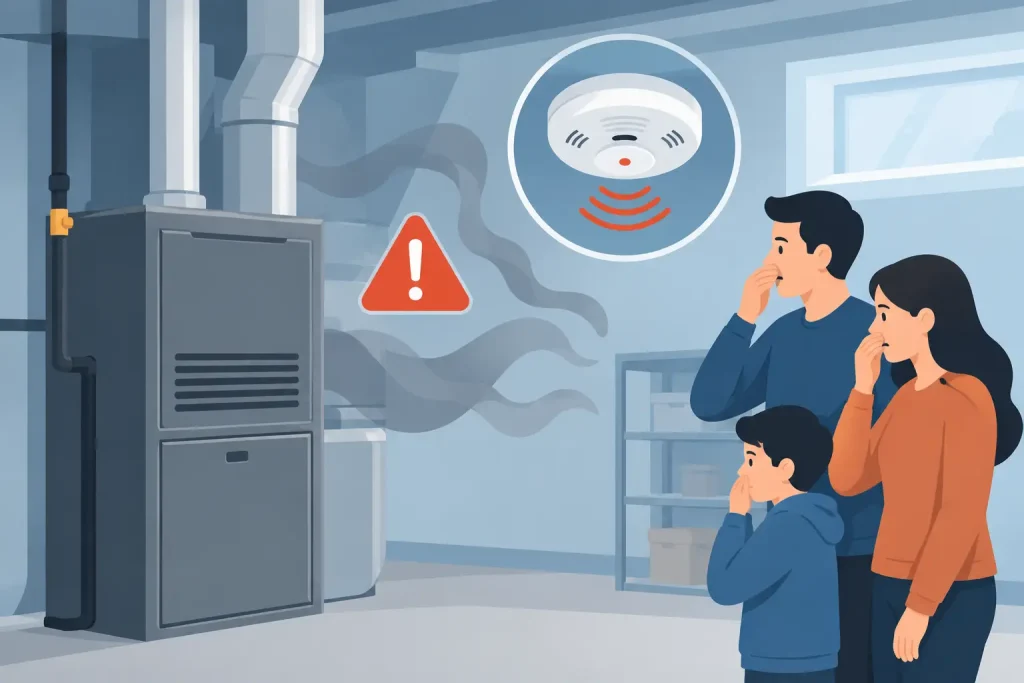
Gas furnaces are safe when installed and maintained correctly, but they require more routine attention. Technicians should inspect burners, ignition components, gas connections, venting, safety switches, condensate drainage on high-efficiency models, and the heat exchanger. A cracked heat exchanger or blocked vent is not a repair to postpone.
For any gas-heated home, working carbon monoxide detectors are essential. Install them according to manufacturer guidance and replace batteries or units as needed. If you smell gas, notice soot around equipment, see an unusual yellow burner flame, or experience repeated furnace shutdowns, turn to a licensed professional promptly.
When an Electric Furnace Makes Sense
An electric furnace can be a practical choice when a property does not have natural gas service, the electrical system can support the load, and the owner prioritizes a lower installation cost. It can also fit smaller spaces or buildings with limited venting options.
It may be worth considering if the furnace is used only occasionally. In that situation, a lower purchase price may outweigh potentially higher operating costs. Electric equipment also appeals to owners who want a heating system without combustion components.
That said, an electric furnace should not be selected simply because the equipment quote is lower. The long-term utility bill may be the bigger expense, especially in a full-time residence.
When a Gas Furnace Is the Better Fit
A gas furnace is often the practical choice for homes with an existing gas line and a history of higher winter heating use. It usually offers lower operating costs, powerful heat output, and a wide range of high-efficiency options.
For landlords and property managers, gas may also be attractive where predictable winter operating costs and quick heating response are priorities. The trade-off is a more involved installation and the need for consistent professional maintenance.
If your current gas furnace is nearing the end of its service life, replacement may be more cost-effective than repeated repairs, particularly if the system has safety concerns, rising energy use, or trouble maintaining temperature. Age alone does not decide the issue, but a technician can help compare repair costs against expected replacement benefits.
Do Not Overlook Heat Pump Options
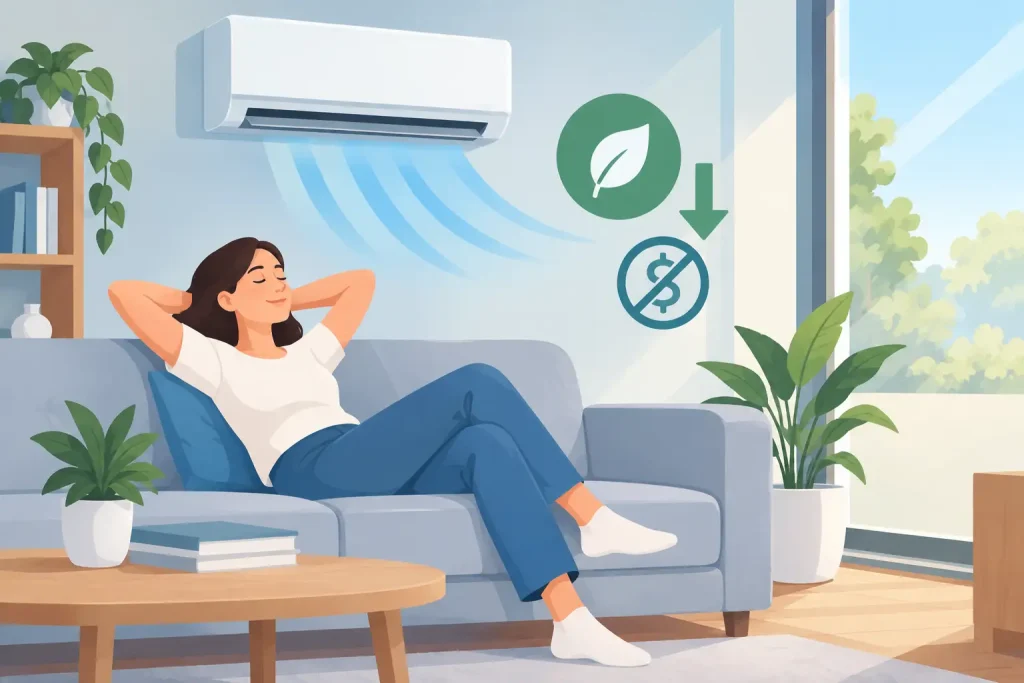
For some Maryland properties, a heat pump deserves a place in the conversation. Modern cold-climate heat pumps can provide efficient heating and cooling in one system, and some homes use dual-fuel setups that pair a heat pump with a gas furnace for colder conditions.
A heat pump is not automatically the right answer for every home. Installation cost, existing ducts, electrical capacity, outdoor space, and comfort preferences all matter. Still, when comparing major HVAC investments, it is wise to evaluate the full range of options instead of assuming a like-for-like furnace replacement is the only path.
A clear, on-site evaluation protects you from buying equipment that is too large, too small, or poorly matched to your property. ABC Cooling & Heating can assess your existing system, explain the real trade-offs in plain language, and help you choose heating equipment that keeps your home or building comfortable when Maryland winter arrives.