
A cold Glen Burnie morning can expose a heating problem quickly. If your system is blowing cool air, cycling without warming the house, or refusing to start, heating repair Glen Burnie homeowners can rely on starts with a calm diagnosis – not a guess or a risky DIY fix. A licensed technician can identify whether the issue is a simple control problem, a worn component, or a larger system concern and explain the next step clearly.
Start With the Safe, Simple Checks
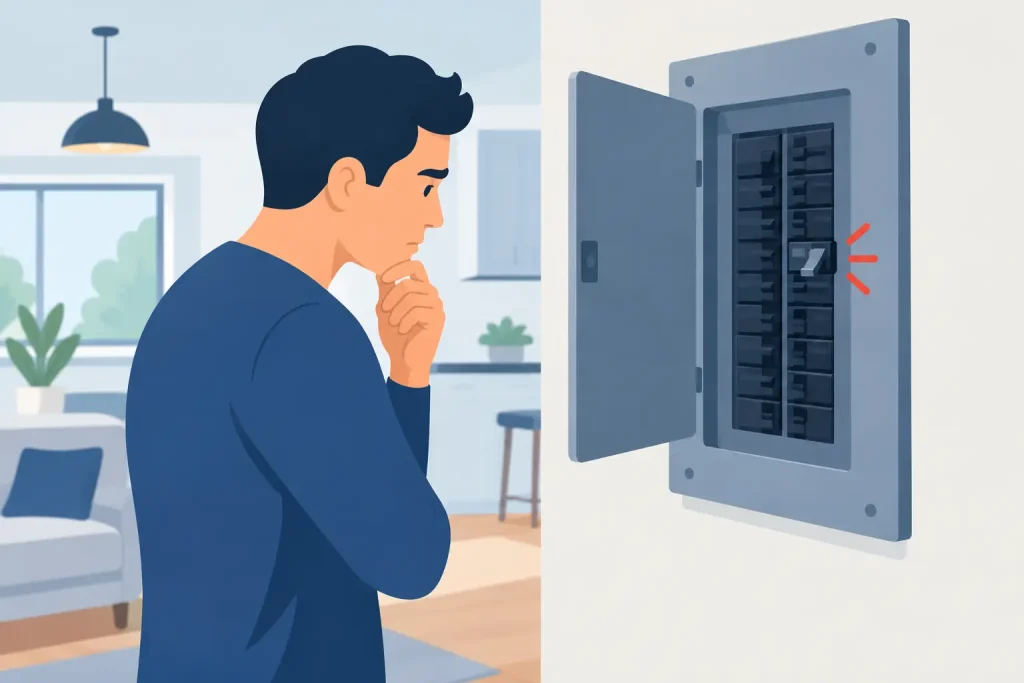
Before scheduling a repair, take a few minutes to rule out the issues that can stop a heating system without indicating a mechanical failure. Set the thermostat to Heat, raise the set temperature several degrees above the room temperature, and make sure it has working batteries if it uses them. Then check that the furnace or heat pump switch is on and that the relevant breaker has not tripped.
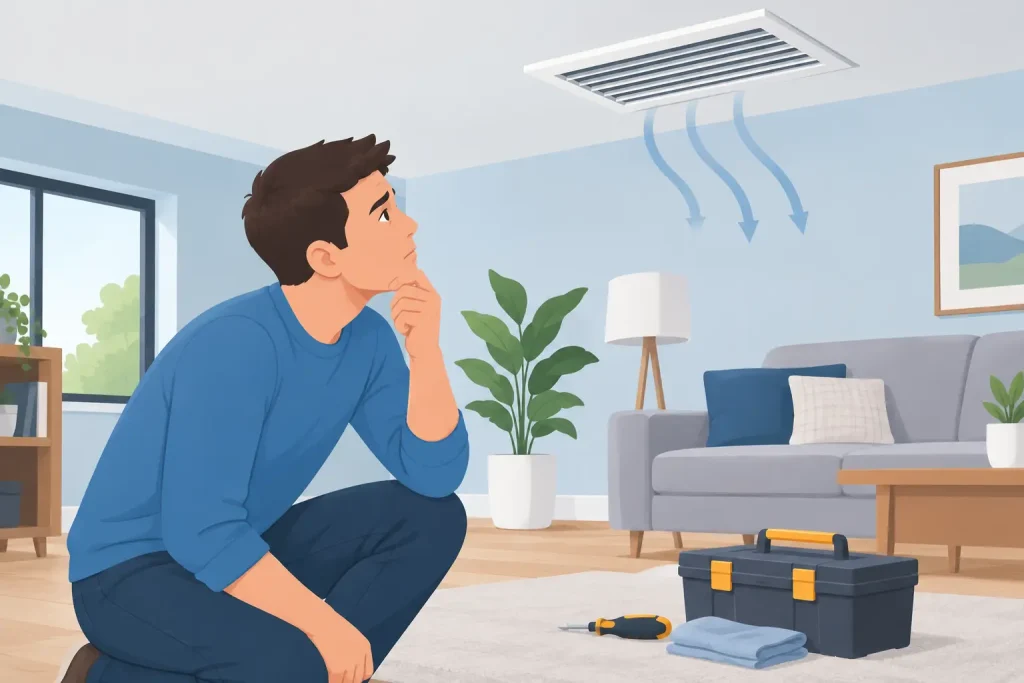
A severely clogged air filter can also restrict airflow enough to trigger performance or safety problems. If the filter looks gray, packed with dust, or overdue for replacement, install the correct size and type recommended for your system. Keep supply vents open and clear furniture or storage away from return grilles.
For gas furnaces, do not attempt to relight a pilot, adjust gas connections, or open sealed equipment panels unless you are qualified to do so. If you smell gas, leave the building, avoid switches and open flames, and contact the gas utility or emergency services from a safe location. If the system is making loud banging sounds, producing burning odors, or repeatedly tripping the breaker, turn it off and request professional service.
Signs You Need Heating Repair in Glen Burnie
Heating equipment rarely fails at a convenient time, but it often gives warning signs before a complete shutdown. Acting early can prevent a minor repair from becoming a no-heat emergency during a cold stretch.
Uneven temperatures are one common signal. If bedrooms stay cold while the living area overheats, the cause may be restricted airflow, duct leakage, thermostat placement, a blower issue, or a system that is no longer properly matched to the building. The right solution depends on the diagnosis. Turning the thermostat higher will not correct the underlying problem and can increase energy use.
Short cycling is another concern. A furnace or heat pump that starts, runs briefly, and shuts off again may have a dirty filter, thermostat issue, overheating condition, ignition problem, or sensor fault. Repeated cycling puts extra wear on components and can leave your home uncomfortable even while the equipment appears to be running.
Listen for changes, too. A brief click at startup can be normal. Persistent rattling, scraping, squealing, booming, or grinding is not. These sounds can point to loose panels, blower motor problems, ignition delays, or damaged moving parts. Prompt service helps protect the system from additional damage.
Higher utility bills deserve attention when your daily habits have not changed. Heating systems naturally work harder in colder weather, but a sharp increase can mean the equipment is losing efficiency. A repair may restore performance, while maintenance may reveal airflow, combustion, or control issues that need correction.
What a Professional Heating Repair Visit Should Include
A good repair call should leave you with answers, not more uncertainty. A qualified technician begins by asking what you have noticed: when the problem started, whether it happens all the time, and whether there were unusual noises, smells, or thermostat messages. Those details can make diagnosis faster and more accurate.
The inspection should then focus on the parts that affect safe operation and heat delivery. Depending on your system, that may include the thermostat, air filter, electrical connections, blower components, ignition system, burners, flame sensor, safety switches, condensate drainage, refrigerant operation, or heat pump defrost controls.
Once the problem is identified, the technician should explain the recommended repair in plain language. You should know what failed, why the repair is needed, what it costs, and whether there are reasonable alternatives. For property managers and landlords, clear communication is especially valuable when coordinating tenant access, approvals, and repair records.
ABC Cooling & Heating takes a practical service-first approach: diagnose the issue, explain the options, and complete the work efficiently. Fast response matters, but careful workmanship matters just as much when your heat and safety are involved.
Repair or Replace? The Answer Depends on the System
A repair is often the smart choice when the system is relatively new, the issue is isolated, and the equipment has been maintained. Common repairs such as a failed igniter, capacitor, thermostat, sensor, or blower-related component can restore dependable operation without requiring a replacement.
Replacement deserves a conversation when repairs are becoming frequent, comfort remains inconsistent, or the system is approaching the end of its expected service life. An older furnace or heat pump may still be repairable, but continuing to invest in repeated fixes can become less practical over time. Energy efficiency, utility costs, available equipment options, and the condition of the ductwork all affect the decision.
There is no one-size-fits-all age rule. A well-maintained system may have useful life left, while a newer unit with a major component failure may need a closer cost comparison. The best recommendation considers the repair cost, expected reliability after the repair, efficiency goals, and how long you plan to own or manage the property.
For commercial spaces, replacement planning can also reduce disruption. A small business or property operator may prefer to schedule an upgrade before a total failure affects tenants, employees, customers, or inventory. A clear estimate gives decision-makers time to compare options instead of making a rushed choice during an emergency.
Why Fast Service Matters During a No-Heat Call
A heating problem is not only about comfort. Cold indoor conditions can be difficult for children, older adults, pets, and anyone with health concerns. Extended low temperatures can also raise the risk of frozen plumbing in vulnerable areas of a home or building.
Fast service does not mean skipping the diagnosis. It means arriving prepared, checking the system methodically, and focusing on the repair that addresses the real cause. In some cases, a technician can complete the repair the same day. In others, a specialty part or a larger equipment decision may be necessary. Clear expectations help you plan without being left in the dark.
While waiting for service, use safe supplemental warmth only as directed by the manufacturer. Keep portable heaters on stable, nonflammable surfaces with adequate clearance, plug them directly into a wall outlet, and never leave them unattended. Never use an oven, grill, or fuel-burning appliance intended for outdoor use to heat indoor spaces.
Prevent the Next Heating Breakdown
Most breakdowns cannot be predicted perfectly, but annual heating maintenance gives technicians an opportunity to catch wear, airflow restrictions, and performance concerns before winter demand is at its highest. Maintenance is particularly useful before the first sustained cold weather arrives, when repair schedules tend to fill quickly.
Homeowners can support reliable operation by changing filters on schedule, keeping outdoor heat pump units free of leaves and debris, and paying attention to changes in system behavior. For landlords and commercial property operators, documenting service dates and addressing tenant reports early can prevent a small issue from becoming an after-hours emergency.
When your heat is not keeping up, do not wait for a complete failure to get answers. A timely inspection can restore comfort, protect your equipment, and give you a clear path forward before the next cold night settles in.