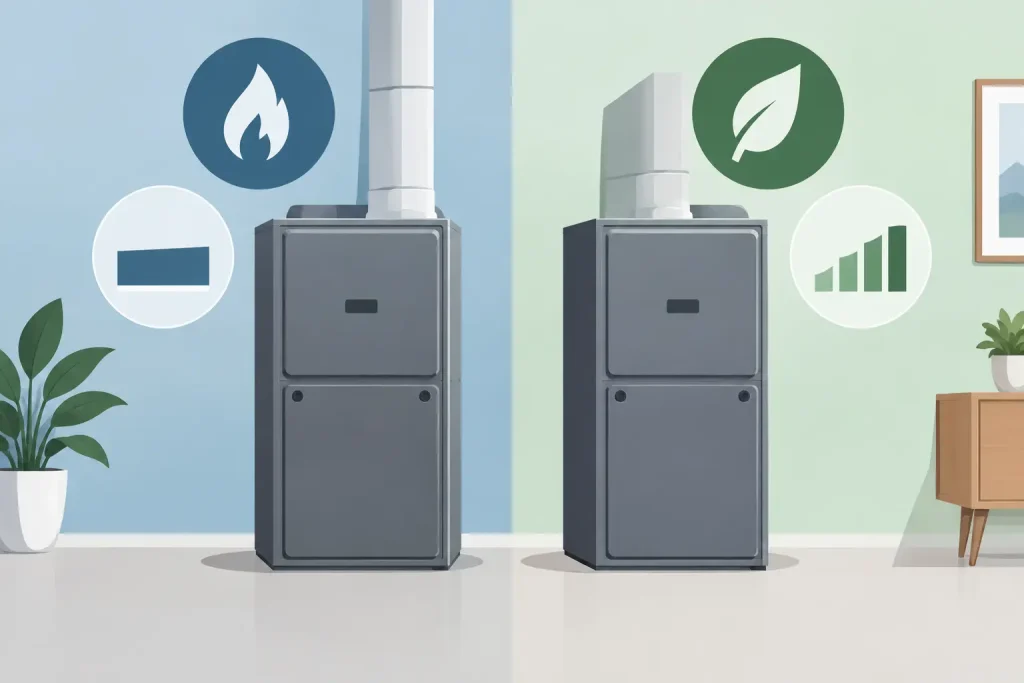
A furnace replacement is not just a question of getting heat back on. The difference between a single stage versus variable furnace can affect how evenly your rooms warm up, how often you hear the system run, and what you pay upfront and over time. For Baltimore-area homeowners, the right answer depends on the home, the existing ductwork, daily comfort expectations, and the condition of the whole HVAC system.
A higher-end furnace can be a smart investment, but it is not automatically the best choice for every property. The goal is a system that is properly sized, professionally installed, and matched to how you actually use the space.
What Is a Single-Stage Furnace?
A single-stage furnace has one heat output: full capacity. When your thermostat calls for heat, the furnace turns on at 100 percent. Once the thermostat reaches its set temperature, it turns off.
This design is straightforward, dependable, and common in many homes. Because it has fewer operating modes and generally lower equipment costs, a single-stage furnace is often an attractive option when a budget-conscious replacement is needed.
The trade-off is that full-output heating can create more noticeable temperature swings. A room may feel a little cool before the furnace starts, then warm quickly while it runs. Some homeowners also notice more sound from the blower starting and stopping, especially if the furnace is near a bedroom, family room, or finished basement.
That does not mean a single-stage system is a poor performer. In a smaller home with good insulation, well-designed ductwork, and a properly selected furnace size, it can provide reliable comfort for many years.
What Does “Variable Furnace” Usually Mean?
The term “variable furnace” can mean different things, which is why it helps to look beyond the label. Most often, it refers to a furnace with a variable-speed blower motor. Instead of switching between fully off and one fixed blower speed, the motor can adjust airflow gradually.
Some furnaces pair a variable-speed blower with two-stage heating. Others use modulating gas heat, which can make smaller adjustments to the amount of heat produced. These are related features, but they are not identical.
A variable-speed blower can run at lower speeds for longer periods. That gentler operation can improve air circulation, reduce sudden blasts of warm air, and help keep temperatures more consistent from room to room. It may also support better humidity control when paired with central air conditioning in summer.
A modulating furnace takes comfort another step further by changing the burner output in smaller increments. It can run at a lower capacity on milder days and increase output only when outdoor temperatures demand it. Ask your HVAC technician whether a proposed system is variable-speed, two-stage, or fully modulating so you know exactly what you are comparing.
Single Stage Versus Variable Furnace: The Real Differences
The biggest difference is not simply efficiency. It is how the furnace delivers heat throughout the home.
Comfort and temperature consistency
Single-stage furnaces tend to heat in shorter, stronger cycles. This can work well, but it may leave some homes with more noticeable warm and cool periods between cycles.
Variable-speed and multi-stage systems are designed for longer, lower-output operation. Rather than waiting for the home to cool down and then delivering a strong burst of heat, they can make more gradual adjustments. Homeowners often appreciate this in larger homes, homes with multiple floors, rooms over garages, or spaces that have always been difficult to keep comfortable.
Still, a variable system cannot fully solve a ductwork problem by itself. Restricted returns, undersized supply ducts, leaky ducts, poor insulation, and an incorrectly sized furnace can all create uneven heating. A proper evaluation should look at the entire system, not just the furnace cabinet.
Upfront cost and long-term operating cost
A single-stage furnace usually costs less to purchase and install than a variable-speed, two-stage, or modulating model. For a rental property, a home being prepared for sale, or a straightforward replacement where dependable heat is the priority, that lower initial cost may make practical sense.
Variable systems generally cost more upfront because they include more advanced components and controls. Their longer, lower-speed cycles can reduce energy use, particularly when the system is correctly sized and the home has a compatible thermostat and duct design. Savings vary by home, fuel rates, insulation levels, and how the equipment is used, so no contractor should promise a fixed dollar amount without evaluating the property.
When comparing estimates, look at both the efficiency rating and the installation scope. A high-efficiency furnace with poor airflow, weak venting, or improper setup will not perform as intended.
Noise level
If furnace noise bothers you, a variable-speed system may be worth considering. The blower often ramps up and down gradually instead of starting at full force. This can make operation less noticeable, especially during overnight heating cycles.
A single-stage furnace is not necessarily loud, particularly when it is installed correctly. However, its full-speed operation is more likely to be heard when the blower starts. Sound levels can also be affected by the return-air design, filter condition, loose duct connections, and the location of the equipment.
Air quality and filtration
Longer blower operation can move air through the filter more consistently. This may help households that are concerned about dust, pet dander, or general air circulation. The benefit depends on using the right filter, changing it on schedule, and making sure the system has enough airflow for that filter type.
A highly restrictive filter can strain any furnace if the system was not designed for it. Before choosing a filter based solely on its rating, have a technician confirm that it is appropriate for your equipment and ductwork.
Which Furnace Is Better for a Maryland Home?
Maryland winters can bring damp cold, sudden temperature changes, and stretches of weather where a furnace works hard for days at a time. For many homeowners in Baltimore, Dundalk, and nearby communities, comfort concerns show up as cold bedrooms, uneven second floors, dry-feeling air, or a furnace that seems to cycle constantly.
A variable-speed or multi-stage system can be especially appealing if you plan to stay in the home for years, want quieter operation, or have ongoing comfort issues that can be addressed through proper system design. It may also be a strong fit for larger homes and properties with zoning, provided the zoning equipment and ducts are in good condition.
A single-stage furnace may be the better choice when the current system has performed well, the home is compact and insulated, and keeping the replacement cost manageable is the main priority. It can also be a sensible solution for landlords and property managers who need a reliable, serviceable heating system without paying for features the occupants may not need.
The best answer is not based on the furnace alone. Load calculations, duct condition, fuel type, venting requirements, thermostat compatibility, and maintenance needs all matter.
Questions to Ask Before Choosing a Furnace
Before approving a replacement, ask whether the proposed furnace has one stage, two stages, or modulating heat. Confirm whether it includes a variable-speed blower, what thermostat it requires, and whether your existing ductwork can support the recommended airflow.
It is also worth asking why a particular size was selected. Bigger is not always better. An oversized furnace can heat the home too quickly, cycle more often, create temperature swings, and put unnecessary wear on components. A properly sized system should be based on the home’s heating load, not simply the size of the old equipment.
Finally, make sure the estimate explains what is included. A complete installation may involve venting updates, electrical work, a new thermostat, drain connections for high-efficiency equipment, filter improvements, and startup testing. Clear answers before installation help prevent surprises afterward.
Installation Quality Matters as Much as Equipment Choice
Even the best furnace cannot deliver dependable comfort if it is installed carelessly. Gas connections, combustion setup, venting, airflow, electrical controls, and thermostat configuration all need careful attention. The system should be tested after installation so it starts, heats, cycles, and shuts down safely.
Regular maintenance also protects the investment. Annual furnace service can identify dirty burners, failing ignitors, airflow restrictions, worn blower components, and carbon monoxide safety concerns before they become a no-heat call on a cold night.
Whether you choose a practical single-stage unit or a variable-speed comfort system, ABC Cooling & Heating can help you compare options based on your property, budget, and heating priorities. A clear assessment now can give you a warmer, quieter home and fewer surprises when the next Maryland cold snap arrives.