
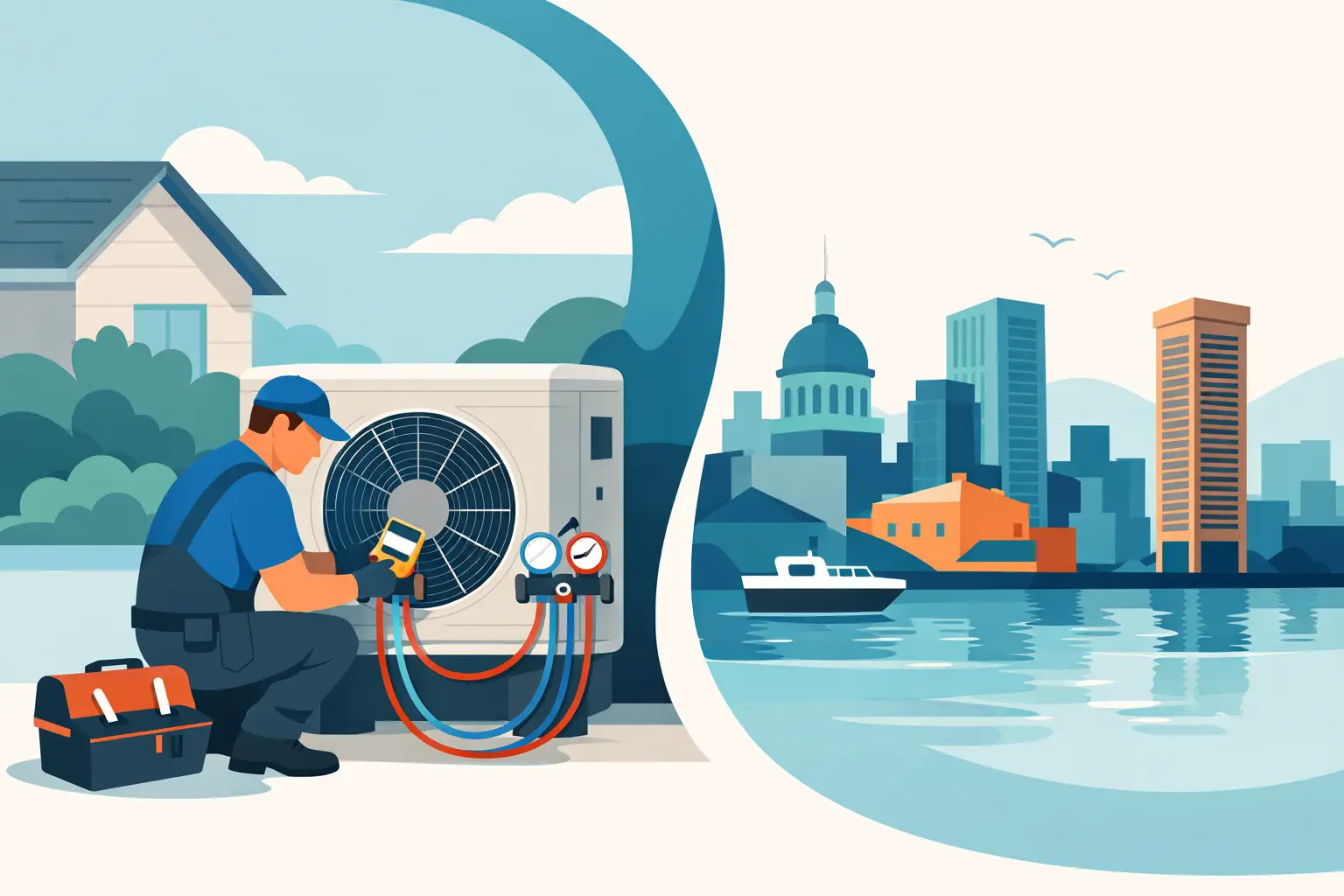
A heat pump rarely quits at a convenient time. It starts with a room that never quite warms up, an outdoor unit that sounds rougher than usual, or a system that runs all day without making the house comfortable. When you need heat pump repair Baltimore MD homeowners can trust, the real priority is simple: find the problem fast, fix it correctly, and get your comfort back without wasting time or money.
Heat pumps are efficient, but they do a lot of work in Maryland. They cool through the summer, heat through the winter, and often run in shoulder seasons when temperatures swing from chilly mornings to mild afternoons. That year-round workload means small issues can turn into expensive repairs if they are ignored too long.
When heat pump repair in Baltimore MD should not wait
Some problems are inconvenient. Others can strain the entire system. If your heat pump is blowing air that feels lukewarm in heating mode, short cycling, tripping breakers, or making grinding, buzzing, or rattling noises, it is time to schedule service. The same goes for sudden spikes in utility bills, weak airflow, frozen coils, or a thermostat that seems to have lost control of the system.
A common mistake is assuming the unit is still working, so the issue cannot be serious. In reality, a heat pump can keep running while a failing capacitor, refrigerant issue, dirty coil, or control board problem steadily reduces performance. The system may still turn on, but it can start using more energy while delivering less comfort.
For landlords and property managers, delayed repair often creates a bigger service call later. A tenant reports uneven temperatures, the system is left alone for another week, and then the unit fails on a colder night when emergency service is more urgent. Fast diagnosis matters because it protects both comfort and operating cost.
The most common heat pump problems
Heat pumps are not all the same, but service calls tend to fall into a few familiar categories. Electrical issues are high on the list. Contactors wear out, capacitors weaken, and wiring connections loosen over time. These failures can cause hard starts, intermittent operation, or complete shutdowns.
Refrigerant problems are another frequent issue. If charge levels are off because of a leak, the system may struggle to heat or cool properly. You might notice longer run times, ice buildup, or rooms that never reach the set temperature. Refrigerant work is not guesswork. It takes proper testing, leak detection, and a technician who knows how to correct the issue instead of just treating the symptom.
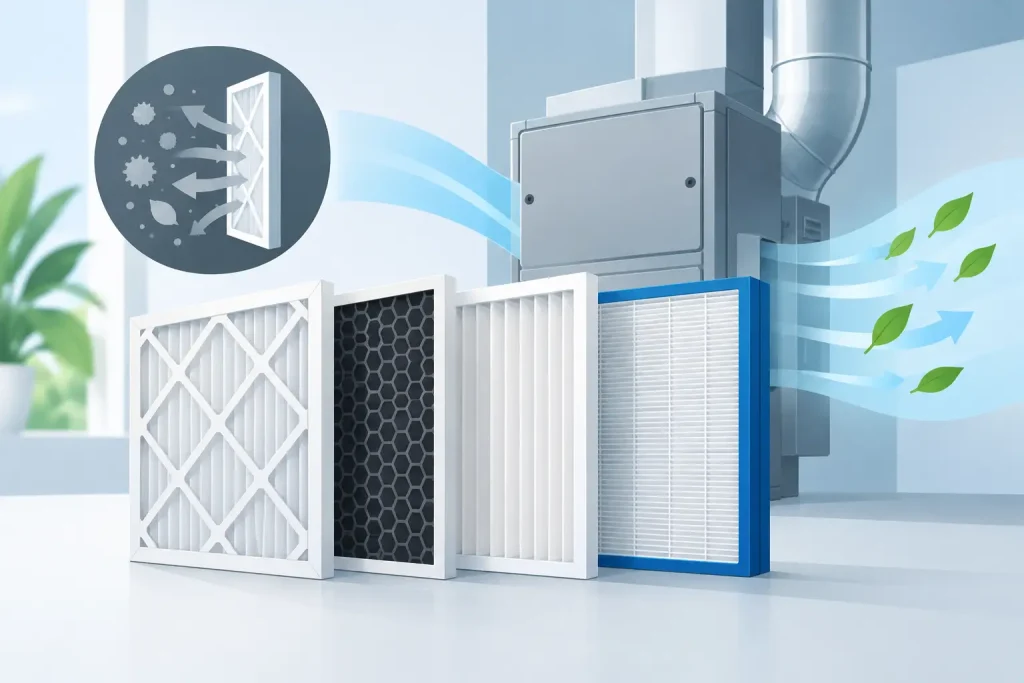
Airflow problems are also common, especially in homes with neglected filters, blocked returns, dirty indoor coils, or blower issues. Poor airflow can make a heat pump seem like it has a major mechanical failure when the root cause is less dramatic. Still, it should not be ignored. Restricted airflow stresses the system and can shorten equipment life.
Then there is the defrost cycle. During colder weather, some homeowners think the system is malfunctioning when steam rises from the outdoor unit or the unit briefly shifts modes. Sometimes that is normal. Sometimes it points to a defrost control issue, sensor problem, or excessive frost accumulation that needs service. This is one of those areas where it depends on timing, weather, and system behavior. A trained inspection can separate normal operation from a repair need.
What a good repair visit should look like
A proper service call should start with diagnosis, not a quick guess. That means checking thermostat operation, electrical components, airflow, refrigerant pressures when needed, and both indoor and outdoor equipment performance. The goal is to identify the actual failure and any related issues that may have contributed to it.
Clear communication matters just as much as technical skill. You should know what failed, why it matters, what the repair involves, and whether there are options. In some cases, the answer is straightforward. Replace the failed part, test the system, and confirm normal operation. In other cases, especially with older equipment, the conversation may include whether repair is still the most cost-effective move.
This is where homeowners often appreciate a practical contractor instead of a high-pressure sales pitch. Not every broken heat pump needs replacement. Not every aging system is worth sinking more money into either. The right recommendation depends on repair cost, equipment age, energy performance, and how often the unit has been breaking down.
Repair or replace? It depends on the bigger picture
If your heat pump is relatively new and the repair is isolated, repair usually makes sense. A failed capacitor, contactor, fan motor, or thermostat issue is often worth fixing if the rest of the system is in solid shape. On the other hand, if the unit is older, uses outdated refrigerant, or has a history of repeat failures, replacement may be the better long-term decision.
The key is to avoid looking at one invoice in isolation. A lower repair bill today can still be the more expensive choice if the system keeps failing over the next year. For property owners managing budgets, this is especially important. A system that cannot maintain comfort reliably creates more than repair costs. It can lead to tenant complaints, business disruption, and rising utility use.
That said, replacement is not always urgent just because a system is older. Many heat pumps can continue operating well with the right repair and maintenance plan. The decision should be based on condition and performance, not just age stamped on a data plate.
Why fast service matters in Baltimore-area homes and buildings
Maryland weather does not always give you much warning. A cold stretch can put real pressure on a struggling heating system, and the same equipment may need to switch back to cooling mode before long. In places like Baltimore, Dundalk, Towson, and Essex, where homes and light commercial spaces vary widely in age and layout, heat pump performance is not just about the equipment. Insulation, duct condition, thermostat placement, and maintenance history all play a role.
That is why same-day or prompt service can make such a difference. The sooner the issue is diagnosed, the easier it is to prevent added wear on the compressor, fan motors, and controls. Even when the repair itself is not major, waiting can push the system into a more serious failure.
For small commercial properties, timing is even more critical. An uncomfortable office, retail space, or tenant suite affects more than convenience. It affects operations, customers, and occupancy satisfaction. Quick, professional service helps keep those disruptions short.
How to reduce future heat pump repairs
No system is maintenance-free, but regular service cuts down on surprise breakdowns. Seasonal tune-ups help catch worn electrical parts, drainage problems, dirty coils, and airflow restrictions before they become urgent repair calls. Filter changes matter too. It sounds basic because it is, but a neglected filter can trigger a chain reaction of poor airflow, reduced efficiency, and component strain.
Homeowners can also pay attention to changes in sound and run time. If the unit suddenly runs longer, struggles to keep up, or starts making a new noise, that is often the first warning. Acting early is usually cheaper than waiting for a full shutdown.
Outdoor unit care helps as well. Keep leaves, debris, and overgrowth away from the cabinet so the system can breathe properly. Just do not assume cleaning around the unit replaces professional maintenance. A heat pump needs more than a visual check to stay in top shape.
Choosing a heat pump repair company in Baltimore MD
When you are comparing service providers, responsiveness and clarity matter as much as price. You want licensed technicians who can diagnose the issue accurately, explain the repair in plain language, and complete the work efficiently. Fair pricing matters, but so does confidence that the fix will hold.
This is one reason many local customers call ABC Cooling & Heating for heat pump issues. They want a team that treats the job like a comfort problem to solve, not a chance to confuse the customer with jargon. Whether the system serves a single-family home, a rental property, or a small commercial building, the standard should be the same: show up ready, inspect thoroughly, explain clearly, and get the system back to reliable operation.
If your heat pump is showing signs of trouble, the best next step is not to wait for it to fail completely. A timely repair can restore comfort, protect your equipment, and give you a much clearer picture of what your system needs next.
One Response