A Baltimore-area winter morning is a tough time to find out your heating system is undersized, unreliable, or expensive to run. When replacement becomes necessary, the gas furnace or heat pump decision affects more than the equipment in your utility room. It affects winter comfort, monthly energy bills, maintenance needs, and how your home is cooled in July.
There is no single right answer for every property. A newer heat pump can be an excellent fit for many Maryland homes, while a gas furnace remains a practical choice for others. The best decision starts with an honest look at your existing setup, fuel availability, insulation, budget, and comfort expectations.
Gas Furnace or Heat Pump: The Core Difference
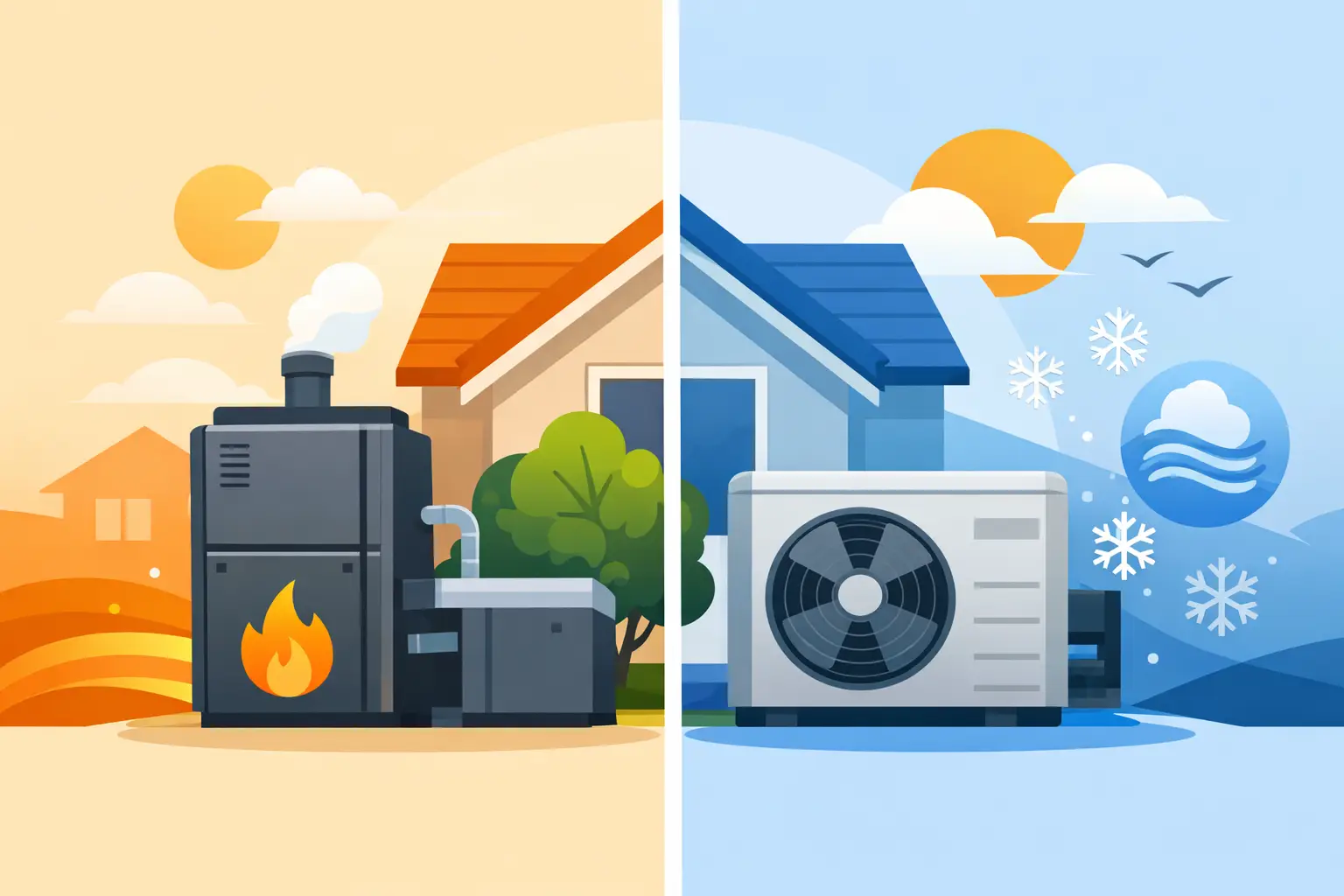
A gas furnace creates heat by burning natural gas. A blower then moves that heated air through your ductwork. Furnaces are known for delivering strong, warm air quickly, which is especially appealing during cold snaps.
A heat pump works differently. Rather than generating heat through combustion, it transfers available heat from the outdoor air into your home. In summer, it reverses direction to move heat out of the house, operating as your air conditioner as well. That two-in-one capability is a major reason homeowners consider heat pumps when an aging furnace or AC system needs replacement.
Modern cold-climate heat pumps perform far better in low temperatures than many people expect. Still, their output and efficiency can change as outdoor temperatures fall. Some homes benefit from a supplemental heat source or a dual-fuel setup that pairs a heat pump with a gas furnace.
When a Gas Furnace Makes Sense
A high-efficiency gas furnace is often a smart option for properties that already have a dependable natural gas connection and working ductwork. If your current furnace has reached the end of its service life but your central air conditioner is still in good condition, replacing only the furnace may also be the most sensible short-term investment.
Reliable warmth in severe cold
Gas furnaces provide high heat output regardless of outdoor temperature. When Maryland sees freezing weather, wind, and overnight lows, a properly sized furnace can bring indoor temperatures up quickly. Homeowners who strongly prefer the feel of hot supply air often choose gas for that reason.
A furnace may also be well suited to an older home with noticeable heat loss. Before selecting any system, though, it is worth addressing air leaks, poor attic insulation, and duct problems. Even a powerful new furnace will waste energy if heated air escapes through gaps in the home or duct system.
Existing gas infrastructure can lower installation complexity
If gas service, venting, and the proper electrical connections are already in place, a furnace replacement can be relatively straightforward. That does not mean every replacement is identical. Venting requirements, system sizing, condensate drainage for high-efficiency units, and duct condition all need professional attention.
Gas furnaces also require regular safety-focused maintenance. Annual service should include inspecting burners, heat exchangers, venting, ignition components, airflow, and carbon monoxide risks. A well-maintained furnace can deliver dependable service, but skipping maintenance is not a good tradeoff.
When a Heat Pump Is the Better Choice
A heat pump can be a strong choice for homeowners replacing both heating and cooling equipment at the same time. It provides year-round temperature control in one primary system and can reduce reliance on fossil fuels.
Efficient heating and cooling from one system
Because a heat pump moves heat instead of creating it directly, it can deliver efficient heating during much of the Maryland winter. In spring and fall, when outdoor temperatures are moderate, heat pumps are particularly effective. In summer, the same system provides central cooling and dehumidification.
For homes currently using an older AC unit and an aging furnace, a heat pump replacement can simplify the equipment plan. Instead of installing separate heating and cooling systems, the homeowner may be able to use one matched system for both jobs. The right option depends on the home, electrical capacity, ductwork, and available backup heat.
A practical fit for electrification goals
Some homeowners want to reduce their use of natural gas, while landlords and property managers may be planning longer-term efficiency upgrades across multiple units. A heat pump supports that direction without sacrificing central air conditioning.
The electrical side deserves careful review. Heat pumps may require panel upgrades, dedicated circuits, or other electrical work, especially in older Baltimore-area properties. A clear installation quote should account for those needs rather than treating them as a surprise after work begins.
What About a Dual-Fuel System?
For many local homes, dual fuel offers a useful middle ground. This setup combines an electric heat pump with a gas furnace. The heat pump handles heating when conditions are favorable, while the furnace takes over during colder weather or when faster, higher-output heat is needed.
A properly configured dual-fuel system can prioritize comfort and efficiency without forcing an all-or-nothing choice. It is particularly worth considering if you already have natural gas service, need a new air conditioner, and want to take advantage of heat pump technology.
The controls matter. The system should be set up to switch heat sources based on outdoor temperature, energy costs, and the equipment design. This is one reason professional sizing and installation are more valuable than choosing equipment based only on its advertised efficiency rating.
Compare Upfront Cost With Long-Term Value
The initial installation price is important, but it should not be the only deciding factor. A gas furnace replacement may cost less when gas lines, venting, and ductwork are already in place. A heat pump may involve higher upfront costs if electrical upgrades, duct modifications, or a new outdoor unit are required.
Operating costs depend on local utility rates, system efficiency, thermostat settings, weather, and the condition of the home. A highly efficient system in a drafty house may still produce disappointing bills. On the other hand, improving insulation and sealing duct leaks can make either system more affordable to operate.
Available rebates, tax incentives, and financing options can also affect the calculation, but these programs change over time. It is best to confirm current eligibility before relying on an estimate of savings. A trustworthy contractor should explain assumptions clearly and avoid promising a specific utility bill reduction that cannot be guaranteed.
Sizing Is More Important Than Brand Hype
The most expensive mistake is installing equipment that is too large or too small. An oversized furnace can short cycle, creating uneven temperatures and unnecessary wear. An oversized heat pump can struggle with humidity control in cooling season. Undersized equipment may run constantly and still leave rooms uncomfortable.
A proper recommendation should consider square footage, insulation, window quality, ceiling height, duct design, occupancy, sun exposure, and the home’s actual heating and cooling load. Replacing a system with the same capacity as the old one is not always correct, especially if renovations or insulation upgrades have changed the home.
For rental properties and small commercial spaces, usage patterns matter as well. A storefront with frequently opening doors has different needs than a quiet office, and a multi-unit building may need a phased replacement plan instead of a one-size-fits-all solution.
Maintenance and Service Expectations
Both options need preventive service. Gas furnace maintenance focuses heavily on combustion safety, venting, heat exchanger condition, filters, and blower performance. Heat pump maintenance includes checking refrigerant operation, coils, electrical components, condensate drainage, airflow, and the outdoor unit.
Changing filters on schedule and keeping supply and return vents clear are simple steps that protect either system. For heat pumps, keep leaves, snow, and debris away from the outdoor unit. For furnaces, maintain working carbon monoxide detectors in appropriate areas of the home.
Fast attention to unusual sounds, weak airflow, frequent cycling, or uneven temperatures can prevent a smaller repair from becoming an emergency replacement. That matters most when a system fails during the hottest or coldest week of the year.
Make the Choice Around Your Property, Not a Sales Pitch
A gas furnace can deliver dependable, powerful heat for homes with natural gas service and established furnace infrastructure. A heat pump can provide efficient all-season comfort and may be an excellent replacement when both heating and cooling equipment are due for an update. Dual fuel can offer a balanced answer for households that want the benefits of both.
Before committing, ask for a clear evaluation of your home’s load, ducts, electrical capacity, fuel options, and existing equipment condition. ABC Cooling & Heating can help homeowners and property managers make that decision with a practical recommendation, clear pricing, and installation work built around dependable comfort. The right system is the one that keeps your space comfortable when Maryland weather stops being predictable.