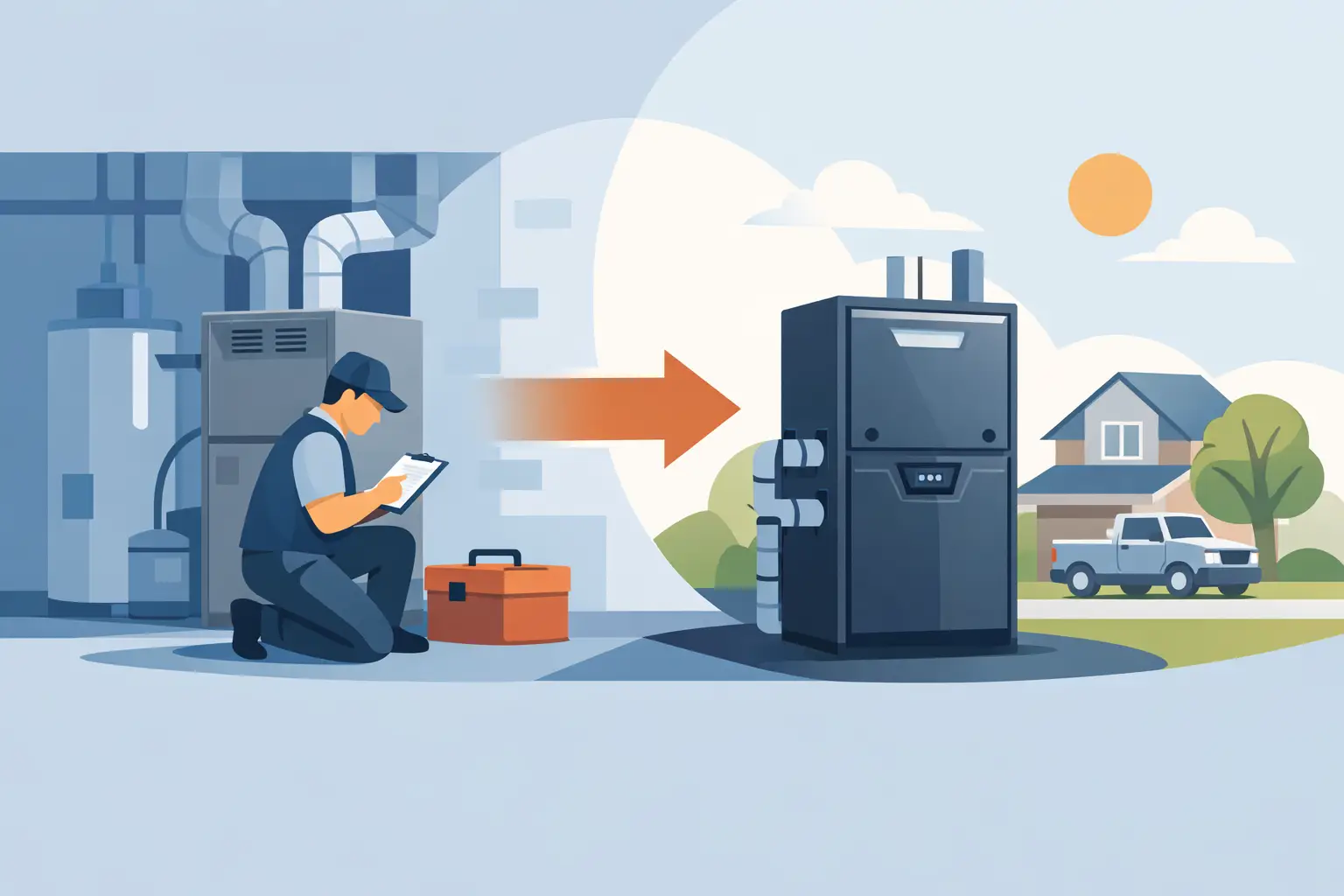
A furnace replacement Parkville homeowners plan at the right time can prevent a stressful no-heat emergency when temperatures drop. If your system is getting older, needs frequent repairs, or leaves parts of the house cold, replacement may be the more practical choice. The goal is not to replace a furnace simply because it has reached a certain age. It is to choose the solution that gives your home dependable heat, reasonable operating costs, and fewer surprises.
Signs Your Furnace May Be Ready for Replacement
Most furnaces do not fail without warning. They usually become less reliable over time, showing signs that repair costs and comfort issues are starting to add up. A professional inspection can confirm the cause, but homeowners should pay attention when a furnace needs service more than once in a heating season, struggles to reach the thermostat setting, or runs for long periods without warming the home evenly.
Age matters, too. Many furnaces can operate for 15 to 20 years with consistent maintenance, but actual lifespan depends on installation quality, usage, fuel type, and maintenance history. A well-maintained older unit may still be worth repairing. On the other hand, a neglected unit may become inefficient and unreliable much sooner.
Unusual noises deserve attention. Banging, rattling, squealing, or repeated clicking can point to mechanical wear, loose components, or ignition problems. Rising utility bills are another common warning sign. If your heating habits have not changed but your winter bills keep climbing, the furnace may be losing efficiency or working harder than it should.
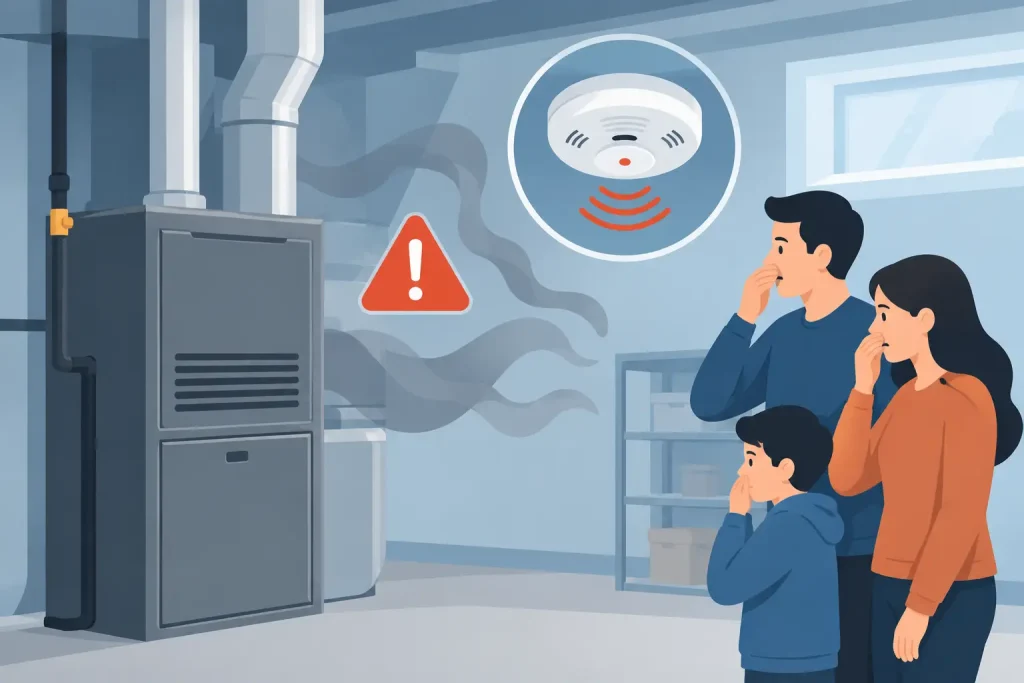
For gas furnaces, safety is part of the replacement conversation. A cracked heat exchanger, carbon monoxide concern, or recurring combustion issue should be handled promptly by a qualified technician. In some cases, repair is appropriate. In others, replacement is the safer long-term decision.
Repair or Furnace Replacement in Parkville?
The right answer depends on the condition of the equipment and the cost of restoring it. A minor repair on a newer furnace with a solid maintenance record is often the sensible route. Replacing a worn igniter, sensor, blower component, or thermostat issue may restore dependable performance without requiring a new system.
Replacement becomes more compelling when major parts fail on an older unit, especially if repairs are becoming routine. A useful way to look at the decision is to consider what the repair solves and what it does not. Replacing one expensive component may get the furnace running again, but it does not reverse years of wear on the heat exchanger, blower motor, controls, or duct connection.
Comfort should carry real weight in the decision. A furnace that technically runs but leaves bedrooms cold, creates dry or stuffy rooms, or constantly cycles on and off is not providing the comfort your household needs. For landlords and property managers, recurring heating complaints can also affect tenant satisfaction and create avoidable service calls.
A clear assessment should include the furnace’s age, repair history, efficiency, safety condition, and the size and layout of the property. You should receive a straightforward explanation of the options, not pressure to choose the most expensive equipment available.
What Affects the Cost of a New Furnace?
There is no one-price answer because every home and installation is different. Furnace capacity, efficiency rating, fuel type, ductwork condition, venting requirements, electrical upgrades, and access to the equipment all affect the final cost. A system installed in an open utility area may require less labor than one located in a tight attic, crawlspace, or finished area.
Higher-efficiency furnaces typically cost more upfront, but they can reduce fuel use over time. Whether that investment makes sense depends on how long you expect to stay in the home, how heavily you use the system, and the condition of the house itself. Drafty windows, poor insulation, and leaking ductwork can limit the benefit of even a high-efficiency furnace.
The least expensive unit is not always the best value. An undersized furnace may run constantly and struggle during colder weather. An oversized furnace can heat the space too quickly, cycle frequently, and create uneven temperatures. Proper sizing is one of the most important parts of a successful installation.
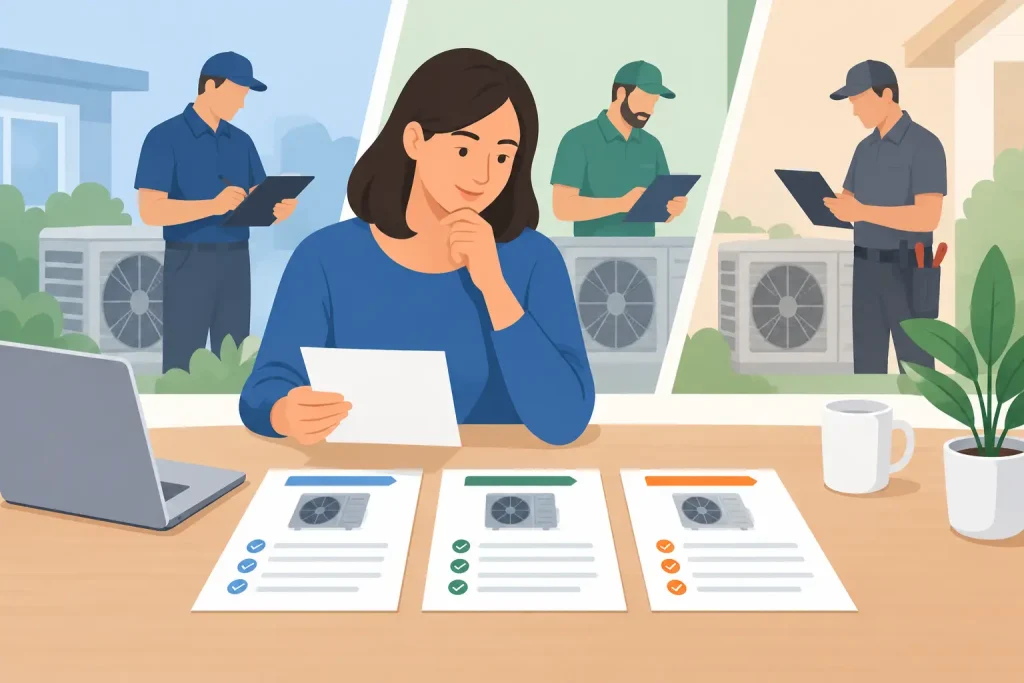
A detailed estimate should explain what is included: removal of the old unit, installation labor, required connections, thermostat compatibility, start-up testing, and any recommended duct or ventilation work. Clear pricing helps you compare options fairly and avoid surprises after installation begins.
Proper Sizing Protects Comfort and Efficiency
It is tempting to assume that a bigger furnace will keep a home warmer. In practice, oversized equipment can cause problems. Frequent short cycles place extra wear on components and may leave some areas of the home uncomfortable. A furnace that is too small can run for extended periods, waste energy, and still fail to keep up on the coldest days.
A qualified technician should evaluate more than the square footage. Ceiling height, insulation, windows, sun exposure, duct layout, number of occupants, and room additions can all change the heating load. If your home has been renovated, finished basement space has been added, or rooms have been enclosed, the furnace size that worked years ago may no longer be the best fit.
Ductwork also deserves a close look. New equipment cannot fully overcome ducts that are undersized, poorly connected, damaged, or leaking conditioned air into unused spaces. Addressing airflow concerns during replacement can make a noticeable difference in room-to-room comfort.
Choosing Features That Fit Your Home
Modern furnaces offer more choices than many homeowners expect. Single-stage models operate at full output whenever they run and can be a practical option for some homes and budgets. Two-stage and variable-speed systems can adjust output more gradually, often improving temperature consistency and reducing noticeable swings between heating cycles.
The best choice depends on your comfort priorities and existing HVAC setup. A variable-speed blower may provide quieter operation and better airflow, but it may not be necessary for every property. A compatible programmable or smart thermostat can help manage schedules and reduce unnecessary heating, especially for busy households and small commercial spaces with changing occupancy.
Ask how the new furnace will work with the existing air conditioner, heat pump, thermostat, humidifier, and air filtration equipment. Heating and cooling equipment performs as a connected system. Matching components and verifying compatibility can help prevent avoidable performance problems later.
What to Expect During Installation
A professional furnace replacement should be organized, clean, and focused on getting your heat restored without unnecessary disruption. The process generally begins with confirming the equipment selection and inspecting the installation area. The old furnace is disconnected and removed, then the new system is set in place with the proper gas, electrical, drainage, venting, and duct connections.
Before the work is complete, the technician should test operation, verify safe combustion and airflow where applicable, and confirm that the thermostat is working correctly. You should also receive an explanation of basic operation, filter changes, and recommended maintenance. A new furnace is a major home investment, and you should not be left guessing how to care for it.
Installation time varies based on the equipment and site conditions. Straightforward replacements may be completed in a day, while more complex work involving duct modifications, venting changes, or electrical updates can take longer. Planning replacement before a complete breakdown gives you more time to compare options and schedule the work at a convenient time.
Keep the New Furnace Running Well
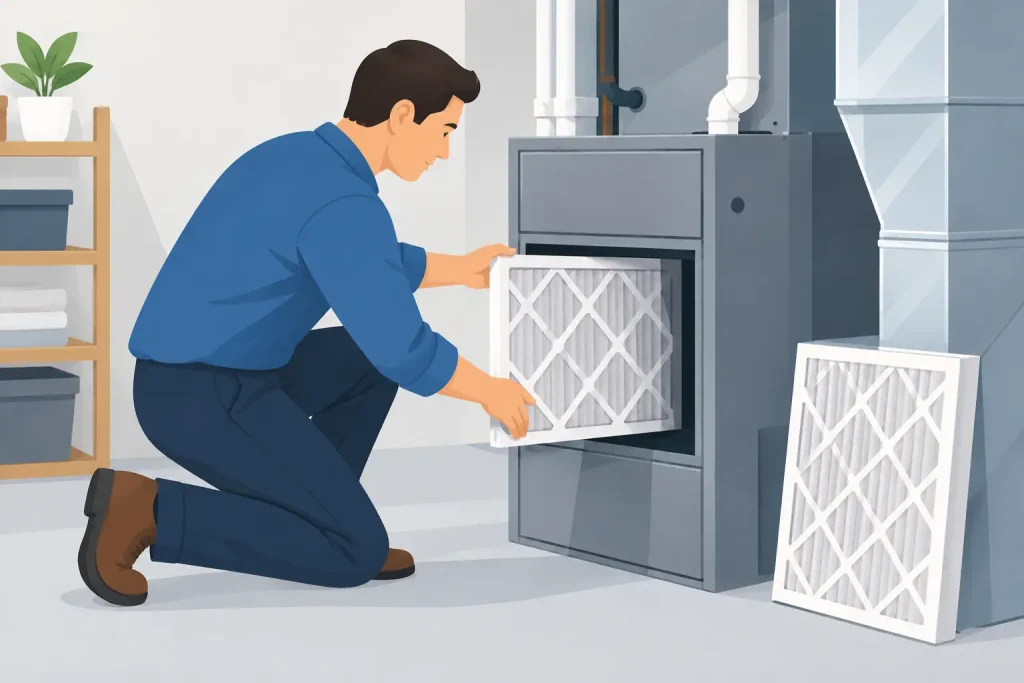
Replacement is only the beginning of long-term reliability. Changing filters on schedule, keeping supply and return vents clear, and arranging annual professional maintenance help protect efficiency and catch small issues early. Maintenance also gives a technician the opportunity to inspect safety controls, clean critical components, and make sure the furnace is operating as intended.
For Parkville homes and properties, the best time to consider replacement is before an aging furnace forces the decision during a cold spell. ABC Cooling & Heating can assess your current system, explain practical options, and provide a clear quote based on your comfort needs, property layout, and budget. A dependable heating system starts with an honest evaluation and a properly completed installation.