
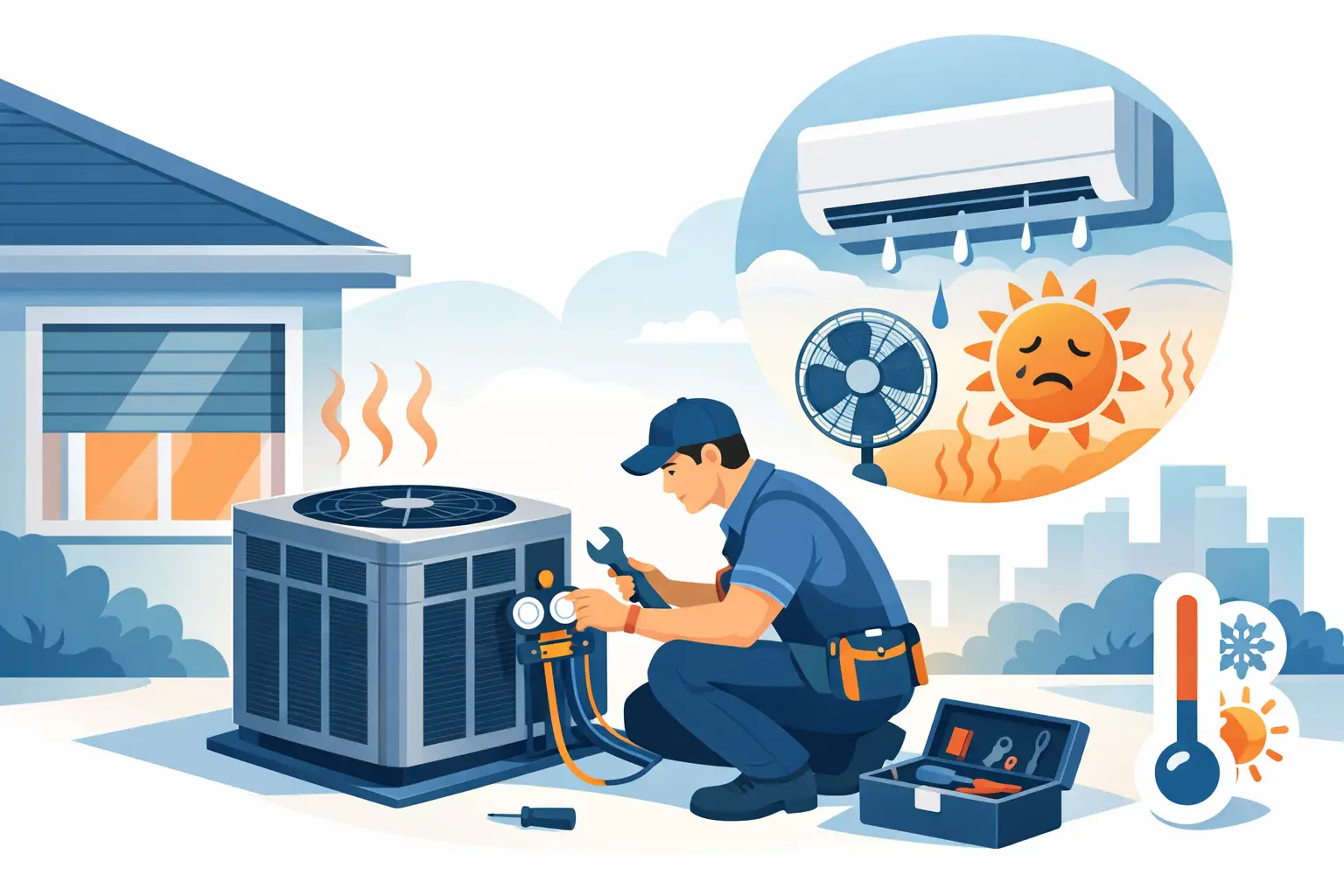
When your home is 82 degrees at bedtime and the thermostat is set to 72, searching for central air repair near me is not a casual errand. It means the system that keeps your family comfortable has stopped doing its job. A fast, accurate diagnosis matters, especially during a Maryland heat wave when a small issue can turn into a complete breakdown.
The right next step is not always the same. A clogged filter may be an easy fix, while warm air, ice on the equipment, or a system that repeatedly trips the breaker calls for a licensed HVAC technician. Knowing the difference can help you protect your equipment, avoid wasted money, and get cool air back sooner.
When You Need Central Air Repair Near Me Now
Some air conditioning problems can wait for a convenient appointment. Others should be addressed as soon as possible. If the system is running but the home is getting warmer, the issue could involve refrigerant, airflow, the outdoor condenser, or a failing electrical component. Letting it run continuously may add wear without improving comfort.
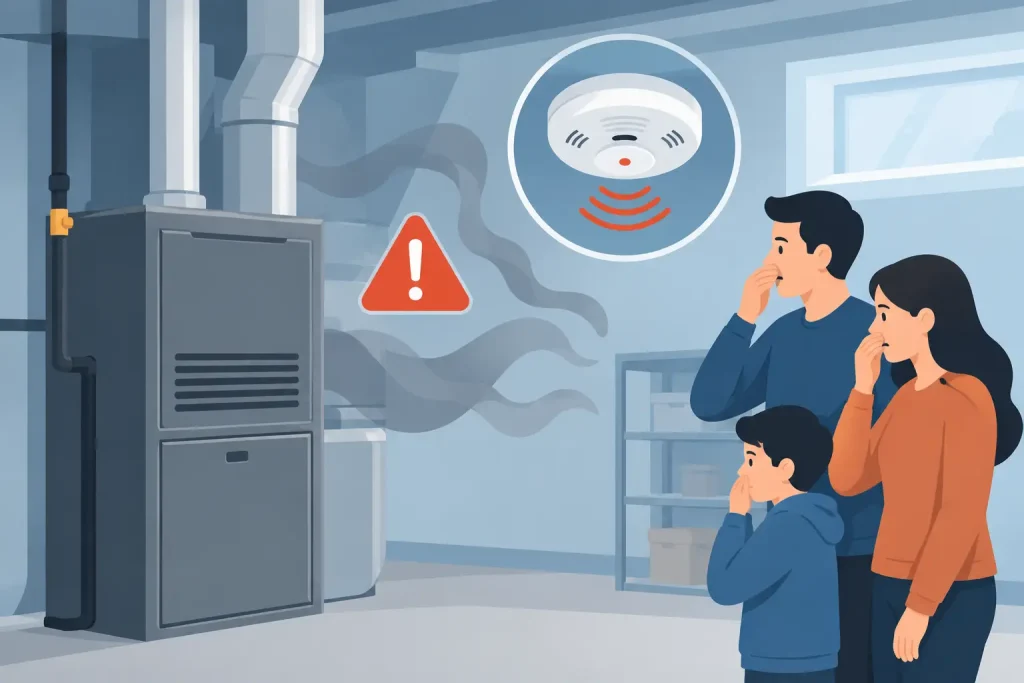
Call for professional repair promptly if you notice burning smells, buzzing or grinding sounds, water pooling around the indoor unit, or a breaker that trips more than once. Turn the system off if you smell something burning or hear loud mechanical noise. Continuing to operate it can cause further damage and may create an electrical safety concern.
A system that blows warm air is another reason to schedule service quickly. It does not automatically mean the entire unit must be replaced. Common causes include a dirty condenser coil, a failed capacitor, a refrigerant leak, a thermostat issue, or a problem with the compressor. A proper diagnosis separates a targeted repair from an expensive guess.
For landlords and property managers, quick action also protects tenants and the property. High indoor temperatures can lead to complaints, disrupted business operations, and preventable strain on equipment. A clear repair plan makes it easier to communicate timelines and make informed decisions about repair versus replacement.
Safe Checks to Make Before Calling
There are a few basic items worth checking before scheduling an AC repair visit. These steps do not replace professional service, but they can rule out simple problems and give the technician useful information.
First, confirm that the thermostat is set to cooling mode and that its temperature setting is below the current indoor temperature. If the thermostat has batteries, replace them if the display is dim, blank, or unresponsive. Next, check the air filter. A filter packed with dust restricts airflow, can make rooms feel warmer, and may contribute to a frozen evaporator coil.
Then look at the electrical panel. If the air conditioner breaker has tripped once, reset it only once after turning the thermostat off. If it trips again, leave it alone and call for service. Repeated tripping is a sign that should not be ignored.
Outside, make sure the condenser has clear space around it. Leaves, grass clippings, and stacked storage items can block airflow and reduce cooling performance. Do not open the unit or spray electrical components. A careful visual check is enough.
If you see ice on the refrigerant line or indoor equipment, turn cooling off and set the fan to “on” if the thermostat allows it. This may help the ice thaw, but it does not solve the underlying cause. A frozen coil can result from restricted airflow, low refrigerant, or another issue that needs professional attention.
Signs the Problem Is More Than a Dirty Filter
A dirty filter is common, but it is not the answer to every comfort complaint. If you replace the filter and the system still short cycles, blows unevenly, or cannot keep up with normal summer temperatures, a deeper inspection is warranted.
Short cycling means the system starts and stops more often than it should. This can happen because of thermostat placement, an oversized system, a dirty coil, low refrigerant, or electrical trouble. It increases energy use and places extra stress on components. The cause matters because the repair can range from a straightforward adjustment to a more involved correction.
Uneven temperatures are also worth investigating. One warm bedroom may point to ductwork, airflow balancing, insulation, or a blocked supply register. Several warm rooms could signal a larger system performance issue. Central air should not leave you guessing which areas of the house will be usable on a hot afternoon.
Higher electric bills without a clear change in usage are another warning sign. Aging components, dirty coils, refrigerant issues, and weak airflow can all force an AC system to work longer. Repairing the specific issue may improve comfort and reduce unnecessary run time.
What a Professional AC Repair Visit Should Include
A dependable repair visit begins with listening. The technician should ask what you have noticed: when the trouble started, whether the system makes unusual sounds, which rooms feel warm, and whether the issue is constant or intermittent. Those details often narrow the diagnosis before testing begins.
From there, a licensed technician should inspect key parts of the system, including thermostat operation, electrical connections, capacitors, airflow, the indoor coil, the outdoor condenser, condensate drainage, and refrigerant performance where appropriate. The goal is to find the actual failure, not simply replace a part that might be related.
You should receive a clear explanation of the findings and the available options before work moves forward. In many cases, repair is the practical choice. Replacing a capacitor, clearing a drain line, repairing a wiring issue, or restoring proper airflow can extend the life of an otherwise sound system.
There are times when replacement deserves a serious conversation. If an older unit needs a major compressor repair, has recurring refrigerant leaks, or requires costly repairs several times in a short period, putting more money into it may not be the best long-term value. The right answer depends on the system’s age, condition, repair history, energy use, and the cost of the proposed repair. A trusted HVAC professional should explain those trade-offs without pressure.
How to Choose a Local Central Air Repair Company
A search for local AC help can produce plenty of options, but fast service should still come with accountability. Look for a company that is licensed, communicates clearly, and provides straightforward recommendations based on your specific system. The lowest initial price is not always the lowest total cost if the issue is misdiagnosed or the work must be redone.
Ask whether the company services your type of equipment and whether it can handle both immediate repair and future maintenance. That continuity is valuable. A technician who understands your system’s history can spot recurring concerns early and help you plan for maintenance or replacement on your schedule rather than during an emergency.
For homeowners and property professionals in Baltimore, Dundalk, and nearby communities, ABC Cooling & Heating focuses on practical answers: diagnose the problem, explain the repair clearly, and complete the work efficiently. Whether the issue is minor or points to a larger equipment decision, the priority is restoring dependable comfort with professional workmanship and fair guidance.
Preventing the Next Cooling Breakdown
Most air conditioners give some warning before they stop completely. Regular maintenance helps catch worn electrical parts, dirty coils, drainage problems, and declining airflow before they become a no-cooling call. It also gives technicians a chance to check overall performance during a season when the system is under less pressure.
Homeowners can help between visits by changing filters on schedule, keeping the outdoor unit clear, and paying attention to changes in noise, run time, and room temperatures. The right filter schedule depends on the household, pets, allergies, and the type of filter installed, but waiting until it is visibly clogged is usually too long.
If your central air is struggling today, do the safe checks, avoid forcing the system to run, and arrange a professional diagnosis. A quick, well-explained repair can make the difference between a difficult hot night and a home that feels comfortable again.

4 Responses