A Dundalk air conditioner rarely picks a convenient time to fail. It is usually a humid afternoon, the house is getting warmer by the hour, and the thermostat is set correctly but nothing seems to change. Fast air conditioner repair Dundalk homeowners can depend on starts with recognizing the warning signs, shutting down a system when continued operation could cause damage, and getting a clear diagnosis from a qualified technician.
A system that is running but not cooling can have a minor cause, such as a clogged filter or a tripped breaker. It can also point to a failing capacitor, frozen evaporator coil, refrigerant issue, electrical problem, or compressor concern. The difference matters. A quick reset may restore operation temporarily, but it will not solve an underlying fault that can leave you without cooling again during the next heat wave.
When Air Conditioner Repair in Dundalk Should Not Wait
Some AC problems are easy to notice because the system stops altogether. Others are quieter at first but become more expensive when they are ignored. Calling for service early can protect comfort, prevent additional wear, and help avoid a larger repair or premature replacement.
Warm air coming from the vents is one of the clearest signs. First, verify that the thermostat is set to cool and that the temperature setting is below the indoor temperature. If the air is still warm after several minutes, the problem may involve the outdoor unit, refrigerant levels, a failed electrical component, or restricted airflow.
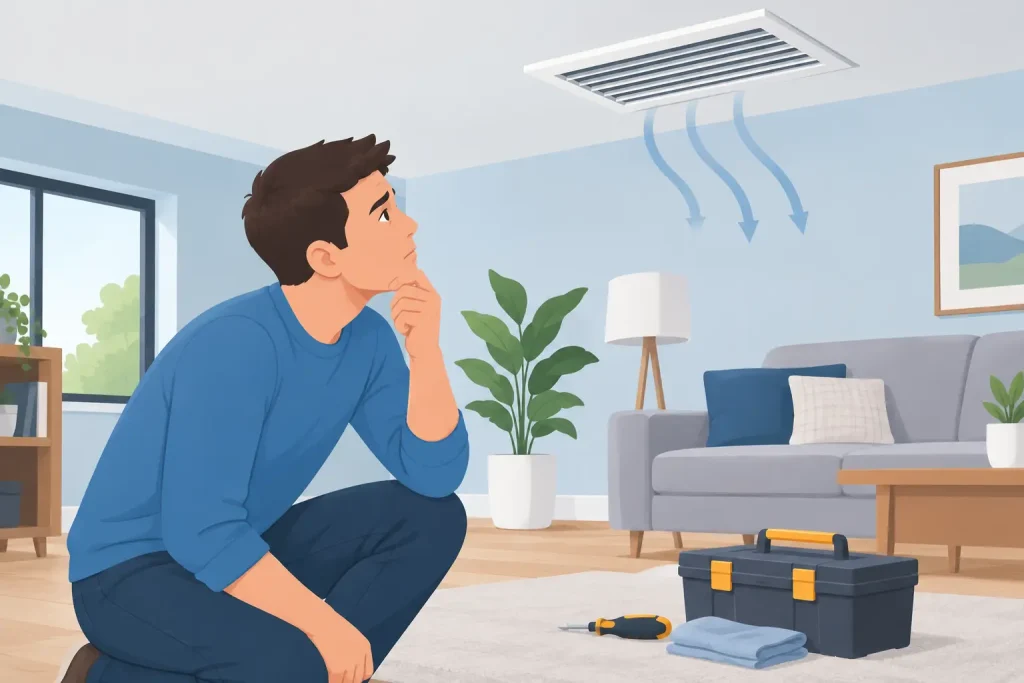
Weak airflow deserves attention as well. A dirty air filter can restrict circulation, but so can a blower motor issue, blocked ductwork, a frozen coil, or a problem with the return vents. If only certain rooms are uncomfortable, the issue may be related to duct design, dampers, insulation, or an aging system that is no longer distributing air effectively.
Strange sounds are another reason to call. Rattling may indicate a loose panel or hardware. Grinding, screeching, or loud buzzing can signal a motor, capacitor, or electrical issue that should be inspected promptly. Do not keep restarting a unit that is making unusual noises. Turning it off and scheduling service can help limit damage.
Water near the indoor equipment should also be addressed quickly. Your AC naturally removes moisture from the air, which drains through a condensate line. A clog, drain pan problem, or frozen coil can cause water to back up. Left alone, that moisture can damage ceilings, flooring, or nearby equipment and may contribute to unwanted indoor humidity.
A Few Safe Checks Before You Call
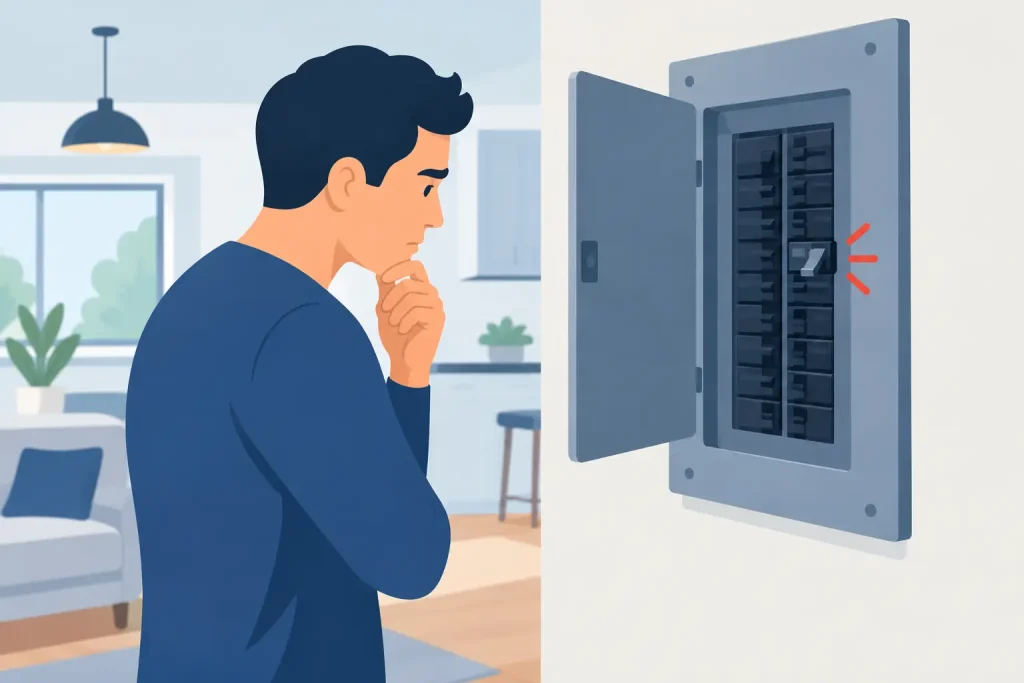
There are a few practical checks property owners can make without taking apart the equipment. Replace a visibly dirty filter with the correct size and type. Confirm that supply and return vents are open and not blocked by furniture, storage, or curtains. Check the thermostat batteries if the display is blank, and look for a tripped breaker only once.
Also inspect the outdoor unit from a safe distance. Leaves, grass clippings, and other debris can reduce airflow around the condenser. Clear loose debris from around the unit, but do not remove panels or attempt electrical repairs. Keep shrubs and stored items away so the unit has room to release heat.
If the breaker trips again, the system has ice on the refrigerant lines, or you smell burning, stop troubleshooting and turn the system off. Repeatedly resetting electrical equipment can be unsafe and can worsen the failure. Refrigerant and electrical repairs require the right training, tools, and testing procedures.
What a Professional AC Diagnosis Should Include
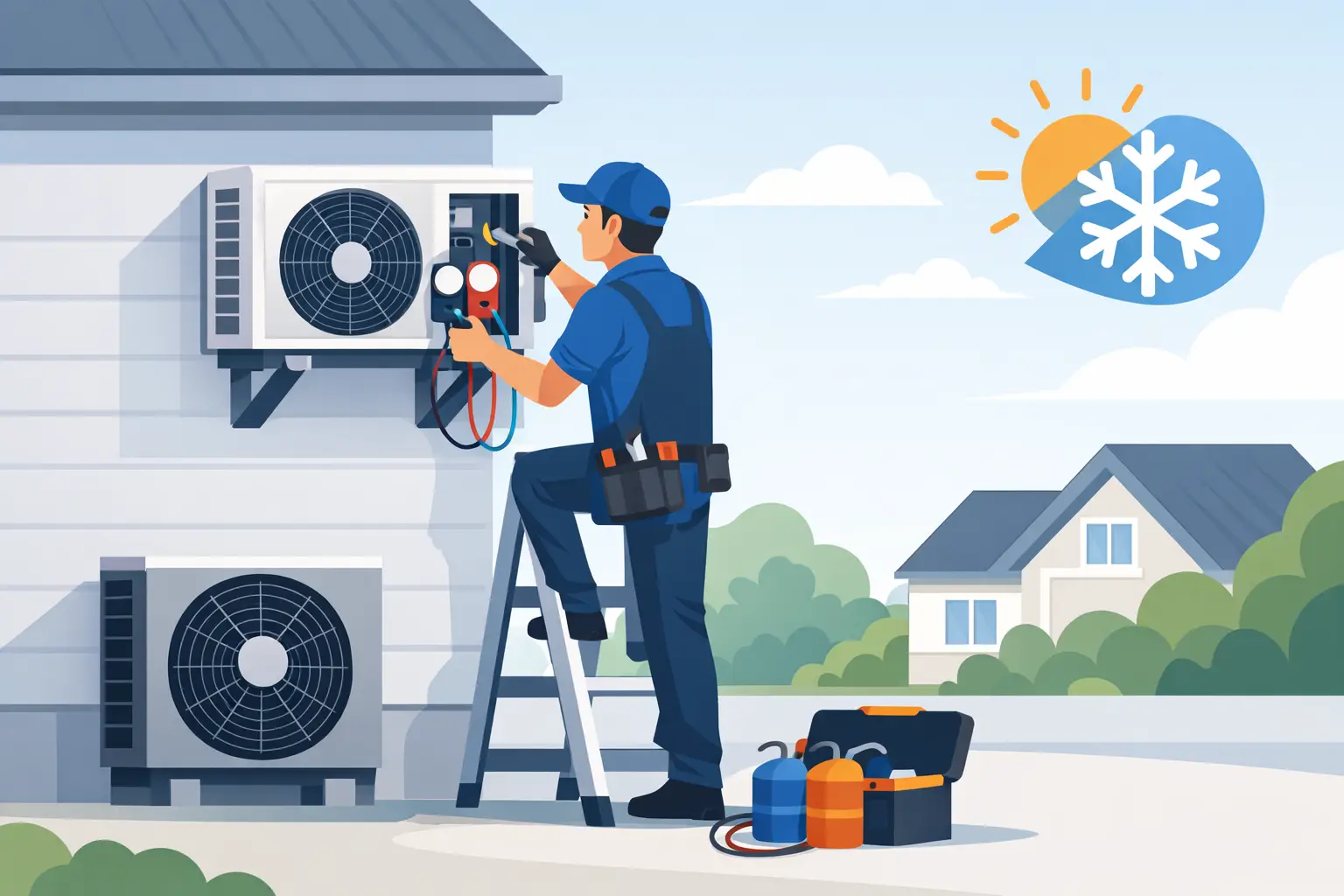
A good repair visit should not be guesswork. The technician should listen to what you have noticed, inspect the equipment, test key operating components, and explain the findings in plain language before recommending work.
Depending on the symptoms, the diagnostic process may include checking thermostat operation, electrical connections, capacitors, contactors, blower performance, condensate drainage, temperature split, airflow, coil condition, and outdoor-unit operation. If refrigerant concerns are suspected, the technician should look for the cause rather than simply treating low refrigerant as a normal condition. A properly operating sealed system should not need routine refrigerant additions.
The right repair depends on the actual fault. A worn capacitor, clogged drain line, damaged fan motor, or failed contactor can often be repaired efficiently. A compressor problem or recurring refrigerant leak requires a more careful conversation because repair costs, equipment age, and future reliability all need to be considered.
ABC Cooling & Heating approaches service calls with a practical goal: identify the issue quickly, explain the options clearly, and complete dependable repairs without pushing work that does not fit the situation.
Repair or Replace? Make the Decision With the Full Picture
An AC repair is often the smart choice, especially when the system is relatively new, the problem is isolated, and the equipment has been maintained. Replacing a simple electrical part on a system with years of useful life left is different from investing heavily in equipment that has repeated breakdowns.
Age is one factor, but it is not the only one. Consider the system’s repair history, cooling performance, energy bills, maintenance record, and the size of the proposed repair. If your AC is more than 10 to 15 years old and needs a major component repair, replacement may provide better long-term value. If the system has been dependable and the repair is straightforward, repair can make perfect sense.
A replacement discussion should also include sizing and installation quality. A larger unit is not automatically better. An oversized air conditioner can cool too quickly, cycle on and off frequently, and do a poor job removing humidity. A properly sized system, matched to the home or commercial space, supports more consistent comfort and more efficient operation.
For landlords and property managers, reliability is often the deciding factor. One repair may be affordable, but repeated no-cool calls can create tenant frustration, emergency scheduling issues, and avoidable operating costs. A clear estimate and an honest assessment of the equipment’s condition make it easier to plan rather than react.
Preventing the Next No-Cool Call
No maintenance plan can prevent every breakdown, but regular care significantly reduces avoidable problems. A clean filter supports airflow, protects the blower, and helps the evaporator coil operate correctly. Most homes benefit from checking the filter monthly and replacing it as needed, especially during heavy summer use or when pets and allergies add more dust to the system.
Professional seasonal maintenance provides a deeper look at the equipment. It can identify weakening capacitors, dirty coils, drainage issues, loose electrical connections, and airflow concerns before those problems cause a shutdown. Maintenance also gives technicians an opportunity to spot small issues that could affect efficiency or indoor comfort later in the season.
Outdoor units need attention too. Keep the area clear, avoid directing lawn clippings toward the condenser, and do not stack items against it. Inside, make sure return vents stay unobstructed. Closing too many supply vents in unused rooms can create airflow problems, so ask a technician before making major changes to how air moves through the building.
Get Clear Answers When Your Cooling Stops
When your AC is struggling, the goal is not just to get cold air back for the afternoon. It is to understand what happened, what the repair will accomplish, and what steps can help protect the system going forward. A prompt, professional inspection gives you the information to make a confident decision about your home, rental property, or business.
If cooling has stopped, airflow is weak, or the unit is making sounds it never made before, do not wait for a complete breakdown. A timely service call can restore comfort and give you a clearer path forward before the heat inside becomes the bigger problem.