
A furnace is not completely silent. You may hear a brief hum as it starts, air moving through vents, or a soft click when the thermostat calls for heat. But a new, loud, or recurring sound deserves attention. If you are asking, “why is furnace making noise,” the answer may be as simple as a loose panel or as urgent as an ignition or blower problem.
The sound itself is often the best clue. Paying attention to when it happens – at startup, during the heating cycle, or after the system shuts off – can help you decide whether to make a basic check or schedule furnace repair. For Baltimore-area homeowners, landlords, and property managers, acting early can help prevent a no-heat emergency during cold weather.
Why Is Your Furnace Making Noise? Start With the Sound
Not every furnace noise means the system is failing. Age, installation quality, ductwork, and the type of furnace all affect what you hear. Still, a sudden change is rarely something to ignore. Here are the most common sounds and what they can mean.
Banging or booming at startup
A single loud bang when your furnace starts can be caused by delayed ignition. In a gas furnace, fuel may build up briefly before the burners ignite, creating a small boom. Dirty burners are a common cause, but ignition components and gas pressure can also be involved.
This is not a repair to put off. Repeated delayed ignition puts unnecessary stress on the heat exchanger and can become a safety concern. Turn the furnace off and arrange service, especially if the bang is getting louder or occurs with every heating cycle.
Banging can also come from expanding metal ductwork. Ducts naturally warm and cool as heated air moves through them. If the sound is light and only occurs as the system changes temperature, it may be a ductwork issue rather than a furnace failure. A technician can determine whether duct support, sizing, or insulation needs attention.
Squealing, screeching, or high-pitched whistling
A squeal often points to a moving part. Older belt-driven blower systems can make noise when a belt is worn, loose, or misaligned. Modern furnaces may squeal when blower motor bearings are wearing out or when the motor needs professional attention.
A whistle is sometimes less serious. A heavily clogged air filter, closed supply vents, or restricted return air can force air through a narrow path and create a high-pitched sound. Replace a dirty filter with the size and type recommended for your system, then make sure return grilles and supply vents are open and unobstructed.
If the noise remains after changing the filter, do not keep running the furnace for weeks hoping it will settle down. Restricted airflow can make the system work harder, increase energy costs, and shorten the life of the blower motor.
Rattling or vibrating
Rattling is commonly caused by something loose. The furnace cabinet panel, screws, duct connections, blower assembly, or nearby piping may vibrate while the equipment runs. Start with a safe visual check: make sure the furnace access panels are properly seated and that nothing is leaning against the unit.
Do not remove panels or reach inside the cabinet while power is on. If a panel is secure but the rattle continues, a technician should inspect the blower wheel, inducer motor, and internal mounting hardware. A loose component can cause more damage over time, particularly if it begins rubbing against another part.
For a property owner, rattling may also be a useful maintenance warning. It is often less urgent than a gas or electrical issue, but an early repair is usually less expensive than waiting for a motor, wheel, or mounting bracket to fail completely.
Grinding, scraping, or metal-on-metal sounds
Grinding and scraping are not normal furnace operating sounds. These noises can indicate worn motor bearings, a damaged blower wheel, or a part that has shifted out of position. In some cases, the blower wheel may be hitting its housing.
Shut the furnace down and call for professional service. Continuing to operate a system that is grinding can turn a repairable issue into a failed motor or a more extensive furnace repair. If you manage a rental or commercial space, this is one noise worth addressing before tenants or employees lose heat.
Clicking that will not stop
One or two clicks as a furnace starts and stops are typically normal. Continuous clicking, however, may signal a problem with the igniter, flame sensor, control board, thermostat, or relay.
If the furnace clicks but does not produce heat, avoid repeatedly turning the thermostat up and down. That can cause the system to keep attempting a failed startup cycle. Check that the thermostat is set to heat, the filter is not blocked, and the circuit breaker is on. If those basics look normal, schedule a diagnostic visit.
Humming or buzzing
A low hum is common when electrical components and the blower are running. A new or noticeably louder buzz can be different. It may be caused by a failing capacitor, transformer, relay, blower motor, or electrical connection.
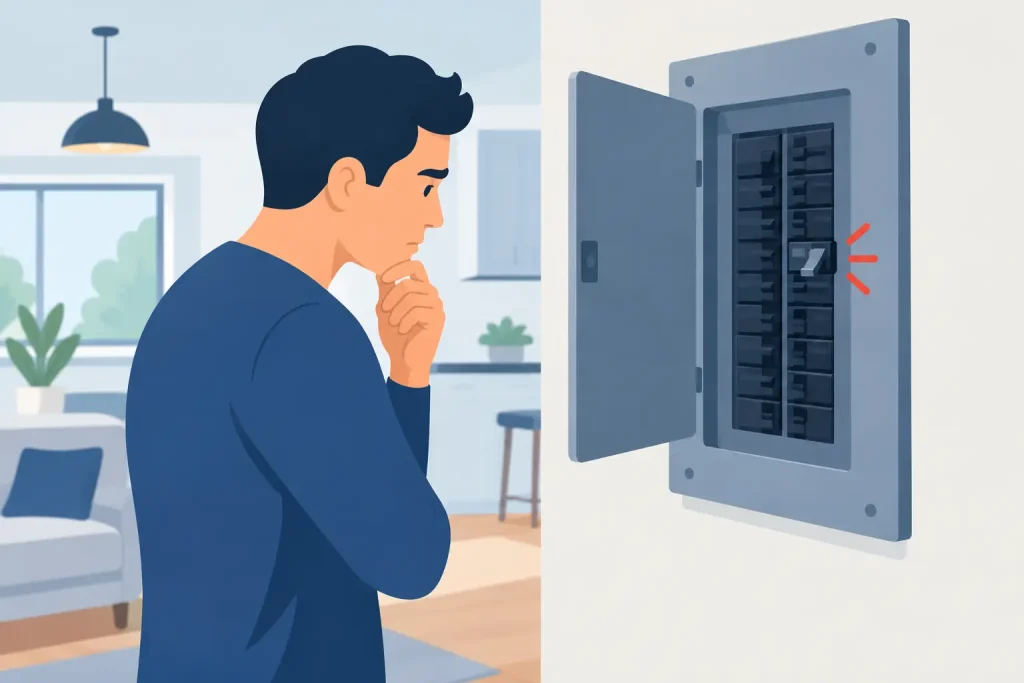
Electrical issues need a careful diagnosis. Turn off the system and seek service immediately if buzzing is paired with a burning smell, a tripped breaker, flickering lights near the furnace, or a furnace that will not start. Do not reset a breaker repeatedly, since that can hide an electrical problem that needs correction.
Rumbling after the furnace shuts off
A rumble that continues after the burners go out can sometimes be linked to the blower or inducer motor. With gas furnaces, it can also point to dirty burners or combustion-related concerns. Because the source is not always obvious from the outside, this is a good reason to have a licensed HVAC technician inspect the equipment.
Regular furnace maintenance helps catch these issues before winter demand puts extra strain on the system. During a professional tune-up, a technician can check burner operation, safety controls, motor performance, airflow, and connections that may cause developing noises.
Popping sounds from vents or walls
Light popping from ductwork is usually caused by metal expanding and contracting. It can be more noticeable in older homes, homes with ducts running through unconditioned areas, or systems with high airflow pressure.
The trade-off is that a harmless pop can sound similar to a more serious bang. If the sound is clearly coming from vents and happens only as warm air first moves through the house, duct expansion is likely. If it comes from the furnace cabinet, happens repeatedly, or is accompanied by poor heating performance, have the furnace checked.
When a Noisy Furnace Becomes an Emergency
Some furnace noises call for prompt service. Others require you to turn the system off and take safety steps first. Leave the home or building and contact emergency help if you smell natural gas or suspect a gas leak. Do not operate switches, light matches, or use electronics near the suspected leak.
You should also shut the furnace down and request service right away if you notice a burning electrical odor, smoke, repeated booming, grinding, or a carbon monoxide alarm. Carbon monoxide has no smell or color, which is why working carbon monoxide detectors are essential in homes and rental properties with fuel-burning equipment.
A furnace that is noisy and also failing to heat evenly, short cycling, or causing unusually high utility bills should be inspected soon. The sound may be one symptom of an airflow, ignition, thermostat, or mechanical issue that is affecting the entire system.
What You Can Check Before Calling for Furnace Repair
Homeowners can safely handle a few basic checks without opening the furnace or touching electrical or gas components. Confirm the thermostat is set correctly, replace an overdue air filter, make sure vents and return grilles are not blocked, and check that the furnace cabinet door is closed securely.
If the system has a breaker that has tripped once, you can reset it one time after turning the thermostat off. If it trips again, leave it off and call a professional. Repeated resets are not a solution.
Avoid attempting to clean burners, adjust gas connections, repair wiring, or lubricate internal parts without the right training. Furnace systems combine electricity, combustion, moving equipment, and safety controls. A fast, accurate diagnosis protects both your comfort and your equipment.
Keep Small Noises From Becoming Major Repairs
Many furnace sounds begin as maintenance issues. A clean filter supports airflow, annual service helps identify worn components, and prompt repairs can reduce the chance of a cold-weather breakdown. For landlords and small commercial property managers, planned maintenance also makes it easier to avoid last-minute tenant or business disruptions.
ABC Cooling & Heating provides clear furnace diagnostics and dependable repair service for homeowners and property managers throughout Baltimore and nearby communities. When your furnace starts making a sound that does not seem right, trust your instincts: a quick professional check can bring back quiet, reliable heat before a minor issue becomes a bigger interruption.