A cooling system that quits during a Baltimore heat wave or a furnace that fails on a cold night rarely gives much warning. HVAC maintenance contracts give homeowners and property managers a practical way to reduce those surprises through scheduled service, professional inspections, and early repairs before a small problem becomes an urgent call.
For most properties, the value is not just a cleaner filter or a quick tune-up. It is having a clear plan for protecting equipment that works hard through Maryland’s humid summers and changing winter temperatures. The right agreement can improve reliability, help control repair costs, and make it easier to plan ahead.
What HVAC Maintenance Contracts Usually Cover
An HVAC maintenance contract is an agreement for routine service at set intervals, often twice a year. One visit is usually scheduled before the cooling season, while the other prepares the heating system for colder weather. The exact scope varies by contractor and by system type, so homeowners should always ask what is included before enrolling.
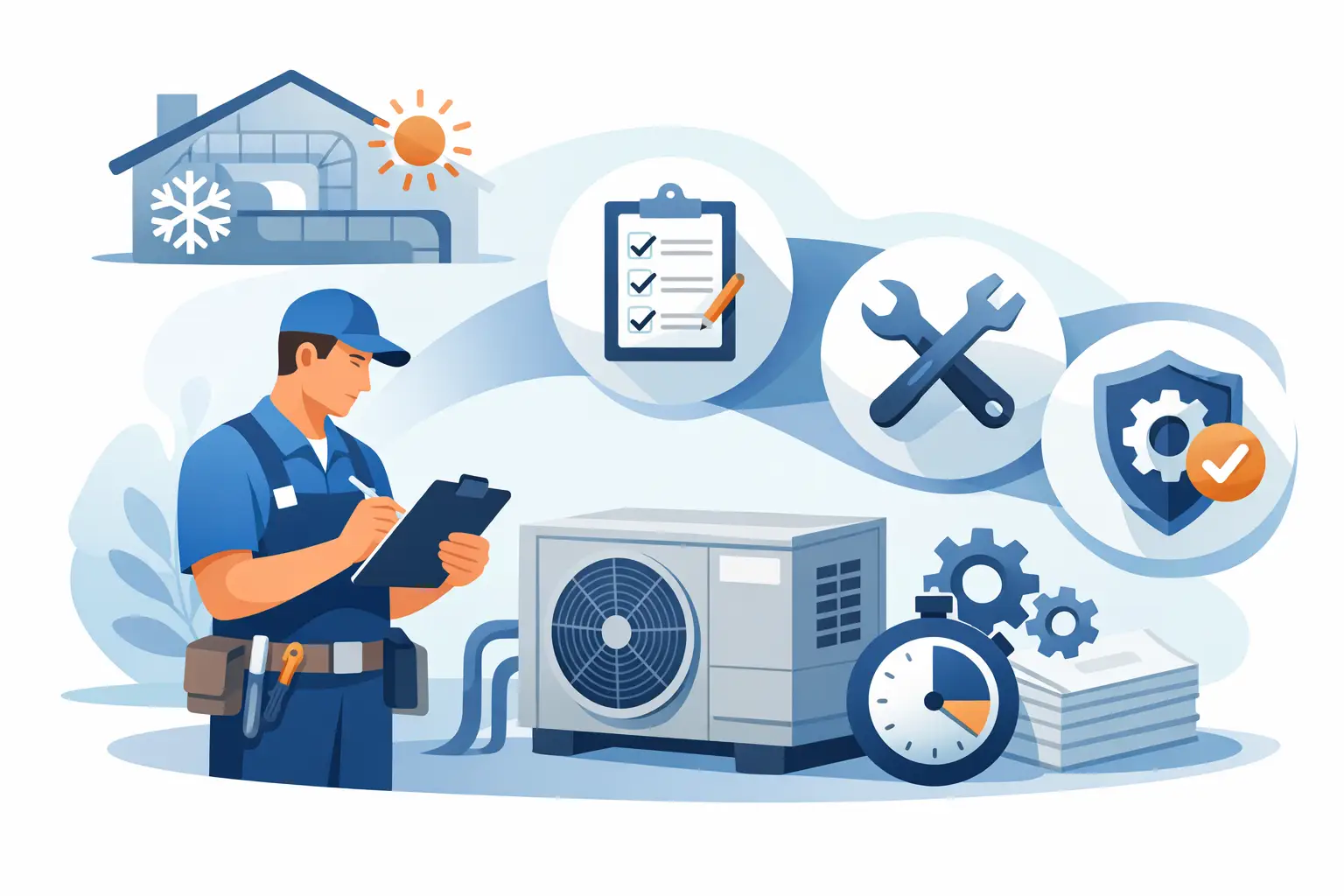
A thorough visit typically includes an inspection, cleaning, safety checks, and performance testing. For air conditioning equipment, a technician may check refrigerant levels, inspect electrical connections, clean the condenser area, clear the condensate drain, and test airflow. For furnaces and heat pumps, the work may include checking ignition components, examining the blower, inspecting combustion-related parts, and confirming that the thermostat is operating correctly.
Maintenance does not mean every future repair is free. Parts replacement, refrigerant leaks, damaged motors, or major electrical repairs are usually separate costs. A good contract makes that distinction clear instead of leaving customers to guess after a problem is found.
The details that matter most
Before signing, look beyond the number of visits. Ask whether the plan includes priority scheduling, discounted repairs, filter changes, diagnostic fees, or after-hours service terms. These benefits can be useful, especially for landlords, small business owners, and families who cannot comfortably wait days for service when their system stops working.
Also ask whether the contractor services every piece of equipment on the property. A home with central air, a gas furnace, and a heat pump backup may need more than a basic one-system agreement. Customized recommendations are often more useful than a one-size-fits-all plan.
Why Preventive Service Pays Off
Heating and cooling equipment gradually loses efficiency when dirt collects, airflow becomes restricted, and components begin to wear. That decline is not always obvious from day to day. A system may still cool the house, but run longer than it should, make new noises, or struggle to maintain a consistent temperature from room to room.
Routine maintenance gives a licensed technician a chance to spot warning signs early. A loose electrical connection, a slow drain, a worn capacitor, or a dirty coil may be relatively manageable during a planned visit. Left alone, the same issue can lead to a shutdown when the system is under the greatest demand.
There is also a comfort benefit. Proper airflow and calibrated controls help a system distribute heating and cooling more evenly. For a rental property or small commercial space, that can mean fewer occupant complaints and less disruption when weather conditions become extreme.
Maintenance cannot guarantee that an older unit will never fail. Age, prior installation quality, storm damage, and normal wear all matter. But regular attention can reduce avoidable breakdowns and provide a clearer picture of whether repair or replacement makes more financial sense.
Who Benefits Most From a Service Agreement?
Nearly every property with forced-air heating or air conditioning can benefit from planned maintenance, but some situations make it especially worthwhile. A newer system may need maintenance to meet manufacturer requirements and protect its expected lifespan. An older system may need it because a professional can monitor changes in performance and help the owner budget for eventual replacement.
Landlords and property managers often find contracts helpful because service becomes easier to organize across multiple units. Instead of waiting for tenant complaints, they can schedule inspections before high-demand seasons. That approach can reduce emergency calls, protect tenant comfort, and create a service record for the property.
For small commercial properties, downtime can affect employees, customers, equipment, and daily operations. A maintenance plan does not replace a response plan for emergencies, but it gives the equipment a better chance of making it through the season without an unexpected interruption.
Homeowners should consider their own habits, too. If scheduling tune-ups tends to slip until something breaks, a contract provides structure. If you already arrange reliable maintenance twice a year and do not need added benefits, paying per visit may be enough. The best choice depends on the condition of the system, how long you expect to stay in the property, and the terms of the plan.
How to Compare HVAC Maintenance Contracts
Price matters, but the lowest monthly or annual fee is not always the best value. Compare what the plan actually delivers and how the contractor handles service when something goes wrong. A fair contract should be easy to understand, with no vague promises about coverage.
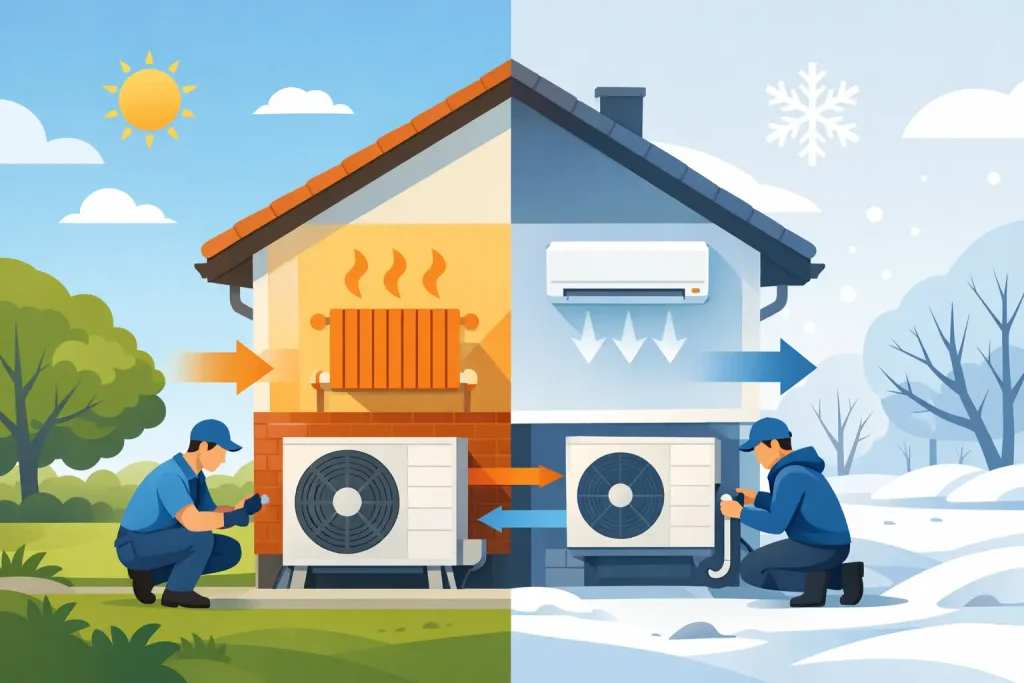
Start with visit frequency. In most Baltimore-area homes, two scheduled visits per year make sense because the cooling and heating systems face different demands. A property with a heat pump as its primary year-round system may require especially careful seasonal checks.
Next, look at technician qualifications and communication. You should expect a technician to explain what was inspected, what was adjusted, and whether any issues need attention soon. Clear recommendations help owners make informed decisions without feeling pressured into unnecessary work.
It is also worth asking how priority service works. “Priority” should mean something specific, such as moving contract customers ahead in the scheduling queue when service demand is high. Ask whether the plan includes reduced diagnostic fees or repair discounts, and whether those benefits apply to parts, labor, or both.
Finally, read the renewal and cancellation terms. Some agreements renew automatically, while others require annual approval. Know the contract length, payment schedule, transfer policy if you sell the property, and any exclusions. A straightforward answer to these questions is a good sign that the company stands behind its service.
Between Visits, Simple Habits Still Matter
A maintenance agreement works best alongside a few basic owner responsibilities. Replace or clean filters on the schedule recommended for your system and household. Homes with pets, smokers, renovation dust, or high occupancy may need more frequent filter attention than a typical home.
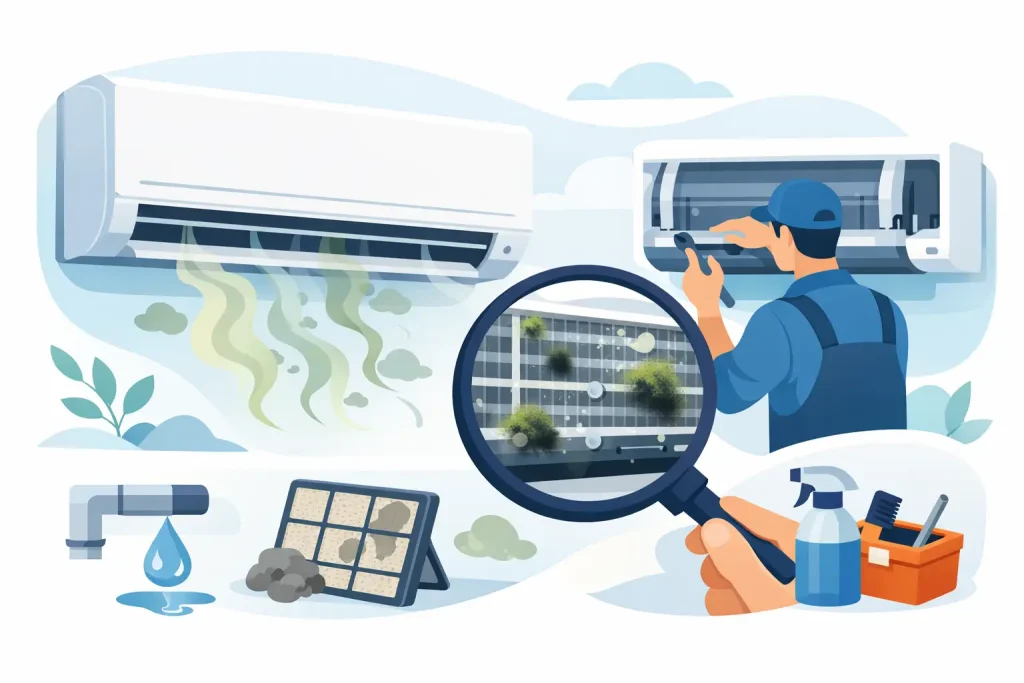
Keep outdoor equipment clear of leaves, grass clippings, mulch, and stored items so it can move air properly. Inside, avoid closing too many supply vents, and pay attention to changes such as weak airflow, unusual odors, water around the indoor unit, short cycling, or a sudden rise in utility bills.
If you notice a concern, call before it becomes an emergency. Turning a system off and waiting is sometimes necessary when there is a burning smell, water leak, or repeated breaker trip, but an experienced technician should diagnose the cause. Repeatedly resetting equipment can create a larger repair problem.
When Maintenance Reveals a Bigger Decision
One of the most useful parts of regular service is honest guidance about system condition. A technician may find that a repair is reasonable and likely to provide years of continued service. In other cases, frequent breakdowns, declining efficiency, obsolete parts, or a major repair on an aging unit may point toward replacement.
That is not a decision to rush. Ask for an explanation of the repair, its expected benefit, and the condition of the rest of the equipment. A dependable HVAC company should help you compare the immediate repair cost with the long-term value of a properly sized replacement system.
For homeowners and property managers in Baltimore, Dundalk, and nearby communities, consistent maintenance is one of the simplest ways to protect indoor comfort. ABC Cooling & Heating can help build a service plan around your equipment, property needs, and schedule so you have a trusted place to call before a minor concern turns into a no-heat or no-cooling emergency.