
A furnace that starts up, runs loudly, and sends chilly air through the vents is more than an inconvenience on a Maryland winter morning. If you are asking, why is furnace blowing cold air, the answer may be as simple as a thermostat setting or as urgent as a burner, ignition, or safety-control failure. The key is knowing what you can safely check and when it is time to stop troubleshooting and call a professional.
Why Is Your Furnace Blowing Cold Air?
Your furnace has to complete several steps before it can deliver warm air. It receives a call for heat from the thermostat, starts its ignition process, lights the burners, warms the heat exchanger, and then turns on the blower. If any part of that sequence is interrupted, the blower may still move air even though the furnace is not producing heat.
Not every burst of cool air means your system is broken. A furnace blower often runs briefly before the burners fully warm the heat exchanger, and it may continue after a heating cycle ends to use the remaining heat safely. But if the air stays cold for several minutes, the system cycles on and off, or your home temperature keeps dropping, there is likely a problem that needs attention.
The thermostat fan may be set to ON
This is one of the most common and easiest causes. With the thermostat fan set to ON, the blower runs continuously, including between heating cycles. During those off periods, it circulates room-temperature air that can feel cold coming from a vent.
Set the fan to AUTO and raise the thermostat setting a few degrees above the current indoor temperature. Give the furnace several minutes to begin a full heating cycle. If warm air returns, the furnace itself may be working normally.
The thermostat settings or batteries need attention
Confirm the thermostat is set to HEAT, not COOL or FAN. Check that the target temperature is above the room temperature and replace the batteries if your thermostat uses them. A weak battery, loose wire, incorrect schedule, or malfunctioning thermostat can prevent the furnace from receiving a consistent call for heat.
Smart thermostats add another variable. A programmed setback, vacation mode, or incorrect equipment setting can make the system behave unexpectedly. If the display is blank or unresponsive, check the battery and the breaker before assuming the furnace has failed.
A dirty air filter is restricting airflow
A clogged filter can create a chain reaction. The furnace may overheat because it cannot move enough air across the heat exchanger. Its high-limit safety switch then shuts down the burners while the blower continues running to cool the system. To you, it feels like the furnace is blowing cold air.
Turn the system off before checking the filter. If it looks gray, heavily coated with dust, or visibly blocked, replace it with the correct size and type. Avoid using an overly restrictive filter unless your HVAC system is designed for it. A filter that captures more particles can also reduce airflow when it is not changed regularly.
After replacing the filter, restore power and watch one heating cycle. If the furnace again shuts the burners down or keeps sending cold air, do not keep resetting it. An airflow issue may involve a blower motor, duct restriction, dirty evaporator coil, or a safety control that needs professional diagnosis.
The furnace is not igniting or staying lit
Modern gas furnaces rely on an igniter and flame sensor to start and maintain combustion. A worn igniter may fail to light the burners. A dirty or failing flame sensor may cause the burners to ignite briefly and then shut off within a few seconds. The blower can still operate, leaving you with cold air through the registers.
You may hear clicking, notice repeated attempts to start, or see a blinking diagnostic light through the furnace access panel. Those signs are useful information for a technician, but they are not a reason to remove panels or bypass safety devices. Ignition and flame-sensing repairs should be handled by a qualified HVAC professional.
The condensate drain may be blocked
High-efficiency furnaces produce condensation during normal operation. That water drains through a condensate line. If the line, trap, or pump becomes clogged, a safety switch can stop the furnace from firing to prevent water damage or an unsafe operating condition.
This issue is particularly easy to miss because the furnace may still appear to turn on. You may hear the blower, but the burners never stay on long enough to heat the air. A technician can clear the drain, inspect the pump, and make sure the system is draining properly.
A gas supply or fuel issue is preventing heat
If you have a gas furnace, a closed gas valve, interrupted gas service, or a problem with the gas control can prevent the burners from lighting. If other gas appliances are also not working, contact your gas utility. If the issue appears limited to the furnace, schedule service.
Never attempt to relight a modern furnace manually or adjust gas controls yourself. If you smell gas, leave the building immediately, avoid switches and open flames, and contact the gas utility or emergency services from a safe location. Do not return until you are told it is safe.
The furnace may be overheating or failing a safety check
A furnace contains several safety controls designed to stop heating when something is wrong. An overheating furnace, pressure switch problem, venting obstruction, damaged control board, or failed limit switch can interrupt burner operation. In many cases, the blower continues to run because the system is trying to cool down.
Repeatedly turning the furnace off and on may seem like a quick fix, but it can mask the pattern a technician needs to diagnose. It may also put extra strain on components. If the furnace is frequently cycling, showing an error code, or producing cold air after the initial startup period, arrange a repair visit.
Safe Checks to Make Before Calling for Furnace Repair
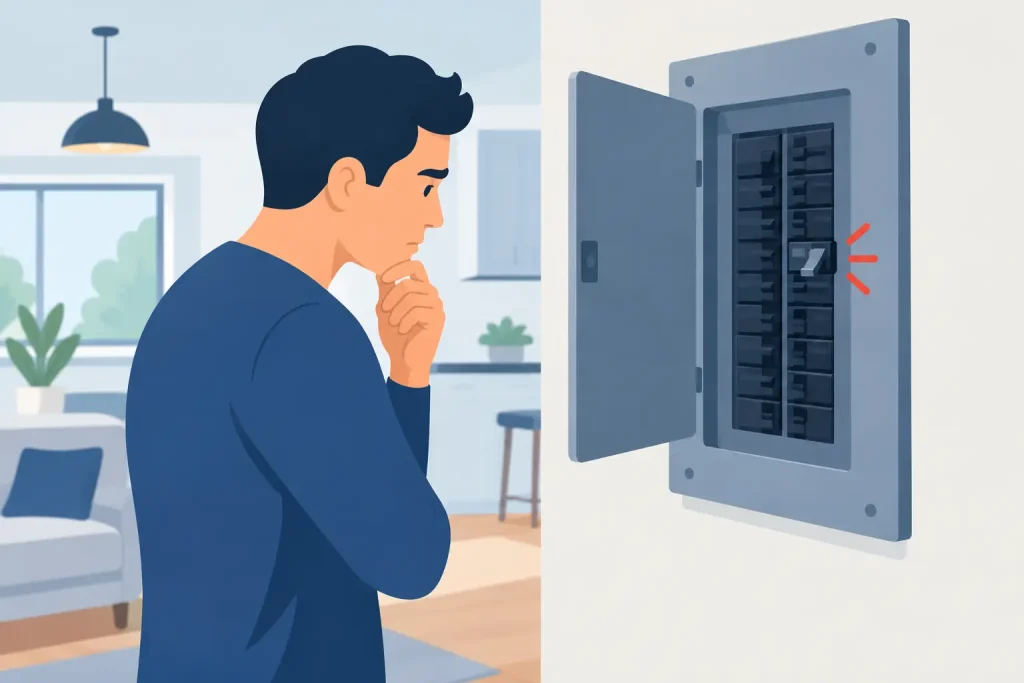
Start with the simple items that do not require opening the furnace cabinet. Make sure the thermostat is on HEAT and the fan is set to AUTO. Check the electrical panel for a tripped furnace breaker, and confirm the furnace service switch has not been accidentally turned off. Replace a dirty air filter and make sure supply vents and return grilles are open and not blocked by furniture, rugs, or stored items.
Next, look for clear warning signs. Water around the furnace, unusual banging or grinding noises, a burning smell that does not fade quickly, frequent shutoffs, or a blank thermostat display all deserve attention. Note what happens when the furnace attempts to start: Does it run continuously? Do the burners light and go out? Does it make several attempts and then stop? These details can speed up a service call.
If you have a heat pump rather than a conventional furnace, occasional cooler air can be normal during defrost cycles or in very cold weather. Still, the air should not remain uncomfortably cold for long, and your thermostat should not struggle to maintain the set temperature. Heat pump issues require a different diagnostic approach, especially if auxiliary heat is not activating.
When Cold Air Is an Urgent Heating Problem
Call for prompt furnace service when your system will not maintain safe indoor temperatures, especially when temperatures are near freezing. Homes with young children, older adults, pets, or vulnerable occupants should not wait on a complete heating failure. Landlords and property managers should also act quickly, since a no-heat condition can affect tenant safety and create risk of frozen pipes.
Turn the furnace off and seek immediate help if you smell gas, your carbon monoxide detector alarms, you see soot around the unit, or anyone in the building experiences headache, dizziness, nausea, or confusion. Move everyone to fresh air first. Carbon monoxide has no reliable smell, so working carbon monoxide detectors are essential in any home with fuel-burning equipment.
Preventing Another Cold-Air Surprise
Many furnace failures announce themselves before the system stops heating altogether. A furnace that takes longer to warm up, cycles more often, makes new noises, or produces uneven temperatures may be due for maintenance. Seasonal service gives a technician the opportunity to inspect ignition parts, safety controls, airflow, venting, electrical connections, and condensate drainage before the coldest weeks of the year.
For homeowners and property managers in Baltimore, Dundalk, and nearby communities, ABC Cooling & Heating provides clear furnace diagnostics and responsive repair service. A licensed technician can identify whether the problem is a quick adjustment, a worn component, or a repair that should not wait.
Warm air should feel like a certainty when you turn up the thermostat, not a guessing game. If the basic checks do not restore heat, scheduling service early can protect your comfort, your equipment, and your peace of mind.