
A puddle near an indoor AC unit is not something to ignore, especially during a humid Maryland summer. If you are asking, why is AC leaking water, the answer is usually connected to condensation that is not draining correctly. In some cases, the repair is straightforward. In others, water is the first visible sign of a frozen coil, airflow problem, or equipment issue that needs prompt attention.
Your air conditioner naturally removes humidity from indoor air. That moisture collects on the cold evaporator coil, drips into a drain pan, and travels outside through a condensate drain line. When any part of that process is blocked, damaged, or overwhelmed, water can end up where it does not belong.
Why Is AC Leaking Water Inside the House?
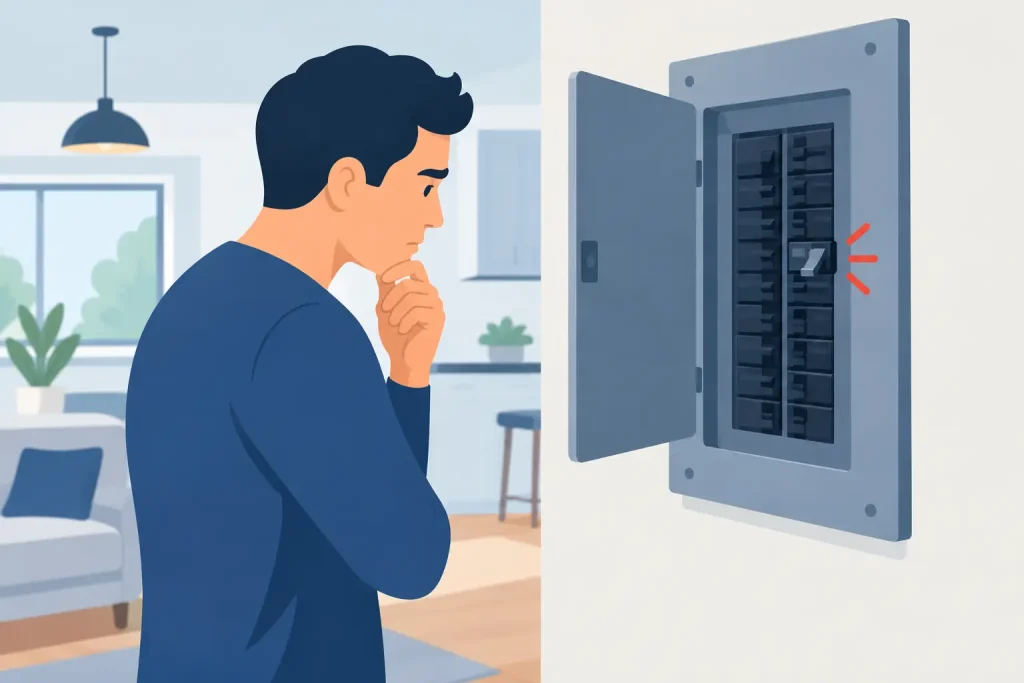
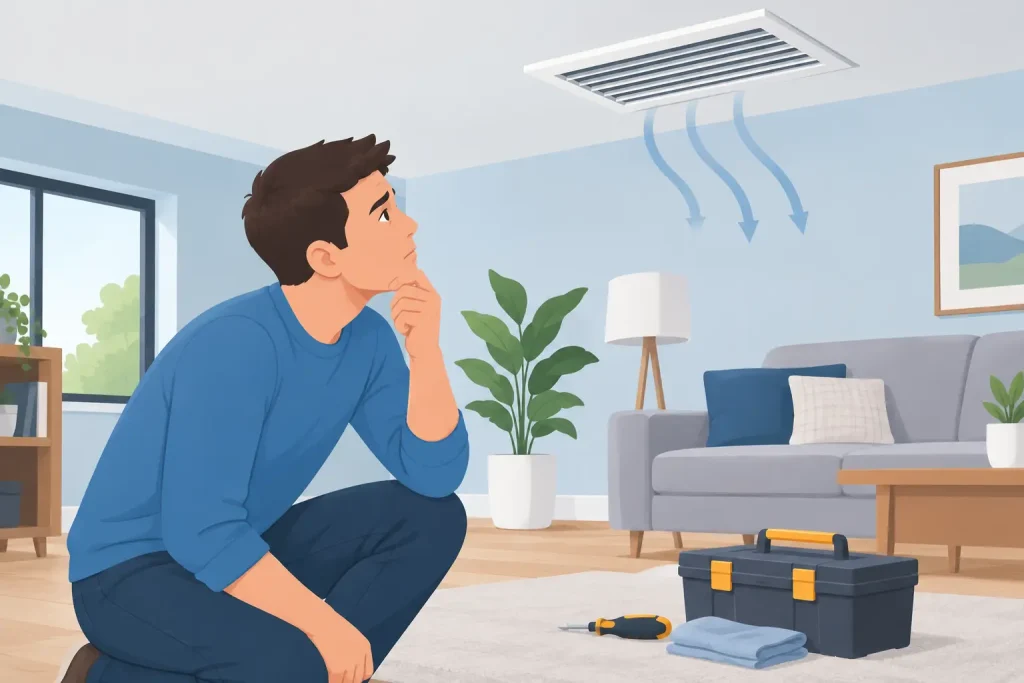
Water leaking from an indoor air handler, furnace cabinet, ceiling vent, or nearby wall is not normal. Turn the thermostat off if water is close to electrical components, spreading across flooring, or dripping through a ceiling. Then dry up what you can safely reach to limit damage and arrange a professional inspection.
The source matters. A little water coming from a drain pipe outside can be a normal part of cooling. Water appearing indoors generally means the condensate system or the cooling system needs service.
A clogged condensate drain line
A clogged drain line is one of the most common reasons an AC leaks water. Dust, algae-like growth, pet hair, and debris can collect in the line over time. Once the blockage prevents water from draining, the drain pan fills and eventually overflows.
Some systems have a safety float switch that shuts the AC off before overflow occurs. If your system stops cooling and you notice standing water near the unit, that switch may have done its job. Do not repeatedly reset the system without addressing the drainage problem, since water can still damage ceilings, drywall, insulation, or flooring.
A technician can clear the line, clean the trap if present, confirm proper drainage, and check whether the line has the right slope. This is also a good time to inspect the drain pan and safety switch.
A dirty air filter or restricted airflow
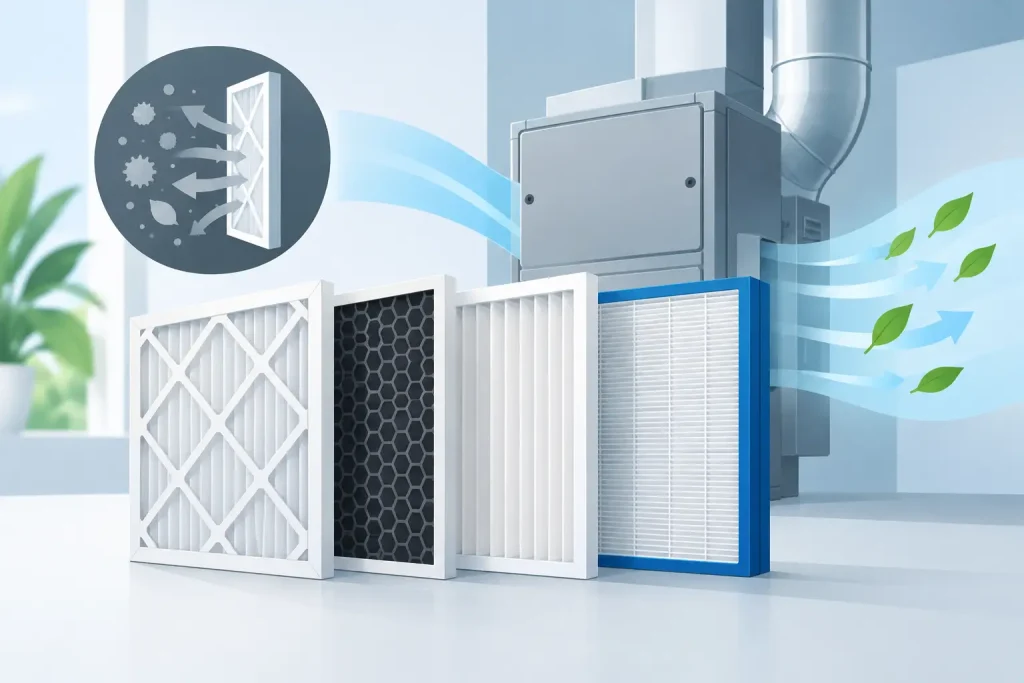
A severely clogged air filter can cause more than weak airflow. It can restrict air moving across the evaporator coil enough for the coil to freeze. When the ice melts, the resulting volume of water may overflow the pan or exceed what the drain system can handle.
Check your filter first. If it is visibly gray, packed with dust, or overdue for replacement, install the correct size and type recommended for your system. However, a clean filter does not rule out airflow problems. A dirty coil, blocked return vent, failing blower motor, or improperly sized ductwork can create similar symptoms.
If you see ice on refrigerant lines, the indoor coil, or the outside unit, turn cooling off and set the fan to “On” if it is operating normally. This can help the ice thaw. Avoid chipping ice off the equipment, and schedule service before running the AC again. Continuing to operate a frozen system can cause further damage.
A cracked, rusted, or misplaced drain pan
The drain pan beneath the evaporator coil catches condensation before it enters the drain line. Older metal pans can rust through, while plastic pans can crack. A pan may also shift out of position after prior work or vibration.
A damaged pan may leak only while the system is running, which can make the problem easy to miss until water stains appear. Replacing a primary drain pan often requires access to the coil area, so it is usually best handled by a licensed HVAC technician. Some systems also have a secondary pan underneath the unit, particularly in attics. Water in that pan is a warning that the primary drainage path has failed.
Low refrigerant and a frozen evaporator coil
Low refrigerant can make the evaporator coil colder than it should be, allowing ice to form. As that ice melts, it can create a sudden water leak. You may also notice warm air from the vents, longer cooling cycles, hissing sounds, or higher energy bills.
Refrigerant does not get used up like fuel. If the level is low, there is typically a leak that should be found and repaired. Adding refrigerant without locating the source may offer temporary cooling, but it does not solve the underlying issue. Proper diagnosis protects the system and helps prevent repeat breakdowns.
A disconnected or damaged drain line
PVC drain piping can crack, loosen at a fitting, or become disconnected. This is more likely after a renovation, attic work, pest activity, or an accidental bump near the indoor unit. A disconnected line can send every drop of condensation directly onto a floor, into a wall cavity, or above a ceiling.
Because the line may be hidden, the leak location is not always directly below the problem. A technician can trace the drain route, repair damaged sections, and verify that water flows to the proper termination point.
Is Water Coming From the Outside AC Unit Normal?
Often, yes. On a hot and humid day, it is normal to see water dripping from a condensate drain pipe near the outdoor unit or from a designated drainage location. That water is humidity removed from your indoor air, and it is usually a sign the system is dehumidifying as intended.
The situation changes if the outdoor unit itself is sitting in a persistent puddle, if water is flowing from the electrical compartment, or if drainage is washing out soil near the foundation. Poor drainage around the condenser can contribute to corrosion, settling, and service access problems. Redirecting normal condensate away from the home may be appropriate, but the drain setup should not create a blockage or violate local requirements.
What You Can Check Before Calling for AC Repair
Homeowners and property managers can make a few safe observations that help speed up diagnosis. Start by changing the thermostat from Cool to Off if water is actively leaking indoors. Next, check whether the filter needs replacement and make sure supply and return vents are not covered by furniture, rugs, or storage.
Look around the indoor unit without removing access panels. Note whether there is standing water, ice, a wet drain pan, or a drain line that appears loose. If your air handler is in an attic, be especially cautious. Ceiling damage can worsen quickly, and wet framing or insulation may create a larger repair than the original HVAC issue.
Do not use chemical drain cleaners in condensate lines, force objects into the piping, or open electrical compartments. These shortcuts can damage the drain system or create a safety hazard. A wet/dry vacuum may sometimes clear a blockage at an accessible outside drain termination, but it depends on the system layout. If you are unsure where the line runs or what it serves, professional service is the safer choice.
When an AC Water Leak Needs Same-Day Service
A small, contained drip near a clearly visible drain outlet may not be an emergency, but indoor water leaks deserve quick action. Same-day service is especially wise when water is reaching electrical equipment, dripping through a ceiling, soaking carpet or drywall, or paired with no cooling, ice buildup, or repeated system shutdowns.
For landlords and commercial property operators, a leaking AC can also affect tenants, inventory, and occupied work areas. Fast diagnosis limits disruption and helps prevent moisture damage from spreading beyond the HVAC equipment.
ABC Cooling & Heating provides clear, professional AC diagnostics for homeowners and property managers in Baltimore, Dundalk, and nearby communities. A licensed technician can identify whether the issue is drainage, airflow, refrigerant, or a damaged component, explain the repair options plainly, and help get your cooling system back on track.
Preventing Future Condensate Leaks
Regular AC maintenance is the best defense against surprise water leaks. During a maintenance visit, a technician can clean the condensate drain, inspect the pan and float switch, check airflow, and look for early signs of coil or refrigerant problems. Replacing filters on schedule and keeping vents open also supports proper airflow throughout the season.
If water appears around your AC, act before it becomes a ceiling repair or a mold concern. A quick inspection now can protect your home, your equipment, and the comfort you depend on when the heat arrives.