
A furnace that struggles to keep up is more than an inconvenience during a Maryland winter. Cold rooms, rising utility bills, repeated repair calls, and unusual noises are all signs that replacement may be the smarter long-term choice. When you search for furnace installation near me, you need more than the first available appointment. You need a local team that can assess your home, explain the options clearly, and install a system sized for dependable comfort.
A new furnace is a significant investment, but it should not feel confusing. The right installation process starts with practical answers: Is your existing furnace worth repairing? What size system does your property need? Which efficiency level fits your budget? A qualified HVAC technician should help you make those decisions without pressure or technical jargon.
When Is Furnace Installation the Right Move?
Furnaces do not always fail all at once. Many homeowners first notice that the system runs longer than it used to, certain rooms stay chilly, or the thermostat setting does not match how the house feels. These issues can sometimes be repaired, especially if the furnace is newer and the problem is limited to a part such as an igniter, blower motor, or thermostat.
Replacement becomes more reasonable when a furnace is nearing the end of its expected service life, typically around 15 to 20 years with regular maintenance. Frequent breakdowns are another concern. Paying for one repair may make sense, but repeated repairs on an aging system can add up quickly without solving the underlying issue.
You may also want to consider installation if your energy costs have climbed without a clear change in how you use your home. Older furnaces often lose efficiency over time. A newer, properly sized system can provide steadier heat while using less fuel, particularly when it is paired with sound ductwork and a properly calibrated thermostat.
For landlords and property managers, replacement can prevent the disruption of an unexpected no-heat call. Planning a furnace installation between tenant turnovers or before winter is often easier than arranging emergency service during a cold spell.
What a Professional Furnace Installation Near Me Should Include
The equipment matters, but installation quality has a major effect on comfort, safety, and operating costs. A furnace cannot perform as designed if it is oversized, undersized, improperly vented, or connected to leaky ductwork. That is why the first step should be an on-site evaluation, not a guess based only on the square footage listed online.
A technician should consider the home’s layout, insulation, window condition, ceiling height, duct system, fuel source, and heating history. A 1,500-square-foot rowhome in Baltimore may have very different heating needs than a 1,500-square-foot detached home in White Marsh. The right recommendation is based on the building, not just a one-size-fits-all chart.
Proper Sizing Protects Comfort and Efficiency
Many people assume a larger furnace will heat the home better. In reality, an oversized unit can cycle on and off too frequently. That can create uneven temperatures, increase wear on components, and waste energy. An undersized furnace may run constantly on cold days and still leave rooms uncomfortable.
Proper sizing helps the system run in longer, more effective cycles. It supports even heat, reasonable energy use, and better equipment longevity. If your contractor does not ask questions about your home or inspect the existing system, it is reasonable to ask how the new furnace size is being determined.
Clear Options, Not a One-Price Answer
The best furnace for your property depends on your budget, fuel type, comfort expectations, and how long you plan to own the building. Standard-efficiency models can be a practical choice for some homes, while high-efficiency furnaces may reduce fuel use and offer more consistent heating. The trade-off is that higher-efficiency equipment generally costs more upfront and may require changes to venting or drainage.
Features such as variable-speed blowers and two-stage heating can improve comfort by adjusting output more gradually. They can be especially useful in homes with temperature swings between floors. Still, those upgrades are not necessary for every property. A dependable system that fits the home and is installed correctly is more valuable than extra features that do not address a real need.
Safe Removal and Careful Installation
A professional installation includes more than setting a new furnace in place. The old equipment must be disconnected and removed safely. Gas connections, electrical wiring, venting, condensate lines when applicable, duct transitions, and safety controls all need attention.
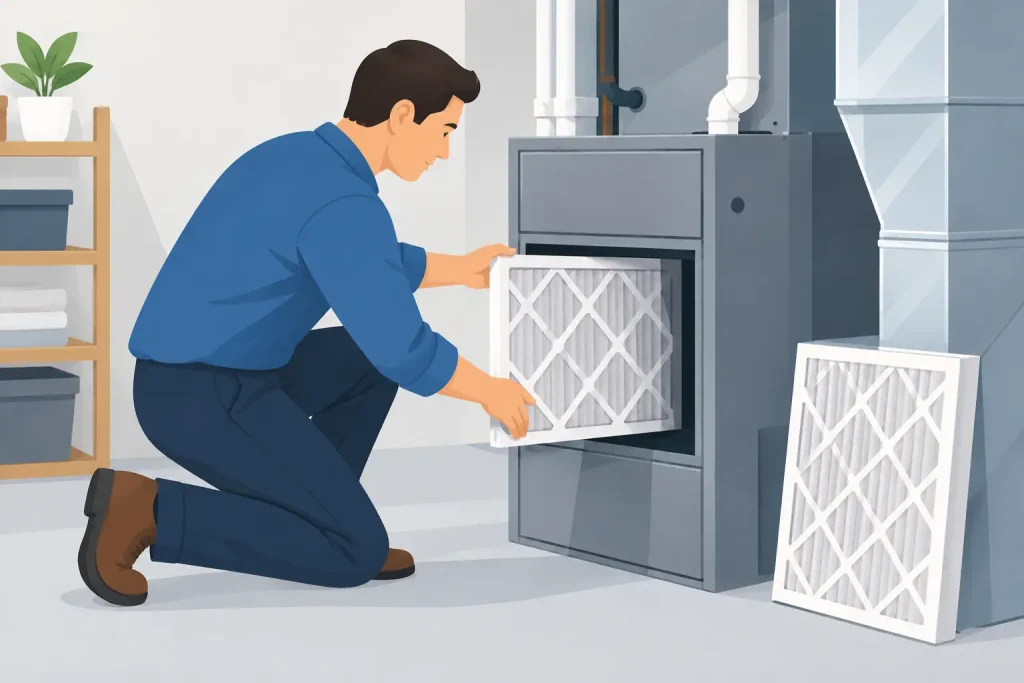
After installation, the technician should test system operation, verify airflow, check for safe combustion and venting where applicable, and confirm that the thermostat communicates properly with the new equipment. You should also receive an explanation of how to operate the system, replace the filter, and recognize signs that service is needed.
How to Prepare for a Furnace Replacement
A little preparation can make installation day easier. Clear a path from the entryway to the furnace area and remove stored items around the equipment. Technicians need safe access to the furnace, electrical panel, thermostat, and sometimes attic, crawlspace, or utility areas.
If the furnace is located near finished belongings, cover or move items that could collect dust. Installation work can involve removing old equipment, adjusting sheet metal, and accessing duct connections. A careful team will respect your property and keep the work area organized, but giving them room to work helps the job move efficiently.
It is also helpful to think about any comfort issues you want addressed before the appointment. Mention rooms that stay cold, loud airflow, uneven temperatures, dry air, or concerns about utility costs. These details can help identify whether the solution involves only the furnace or whether duct repairs, thermostat upgrades, or airflow adjustments should be considered too.
Questions Worth Asking Before You Approve the Job
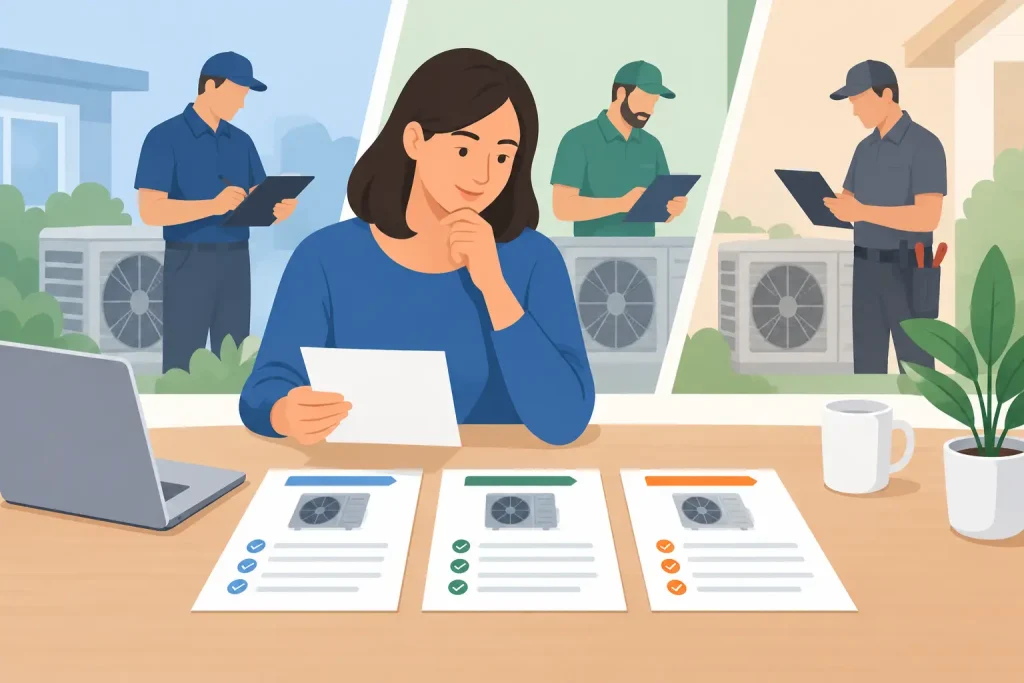
A clear quote should identify the proposed furnace, installation scope, and any needed modifications. Ask whether permits are required for the work and who will handle them. You should also ask about warranty coverage for the equipment and labor, as well as the expected installation timeline.
It is wise to ask what is included in the final price. For example, does the estimate account for removal of the existing unit, new venting, duct transitions, thermostat connection, and startup testing? Every home is different, so a lower initial estimate is not always a better value if necessary work is left out.
Finally, ask how the company handles follow-up service. A local HVAC provider should be available when you have questions after installation, need seasonal maintenance, or notice a performance concern. ABC Cooling & Heating focuses on clear recommendations and dependable workmanship because a new system should give you confidence long after installation day.
Protecting Your New Furnace After Installation
Regular maintenance is one of the simplest ways to protect a new furnace. Replace or clean filters on schedule, keep supply and return vents unobstructed, and schedule professional heating maintenance before heavy winter use. During a tune-up, a technician can inspect safety controls, clean key components, check airflow, and catch small issues before they lead to a no-heat emergency.
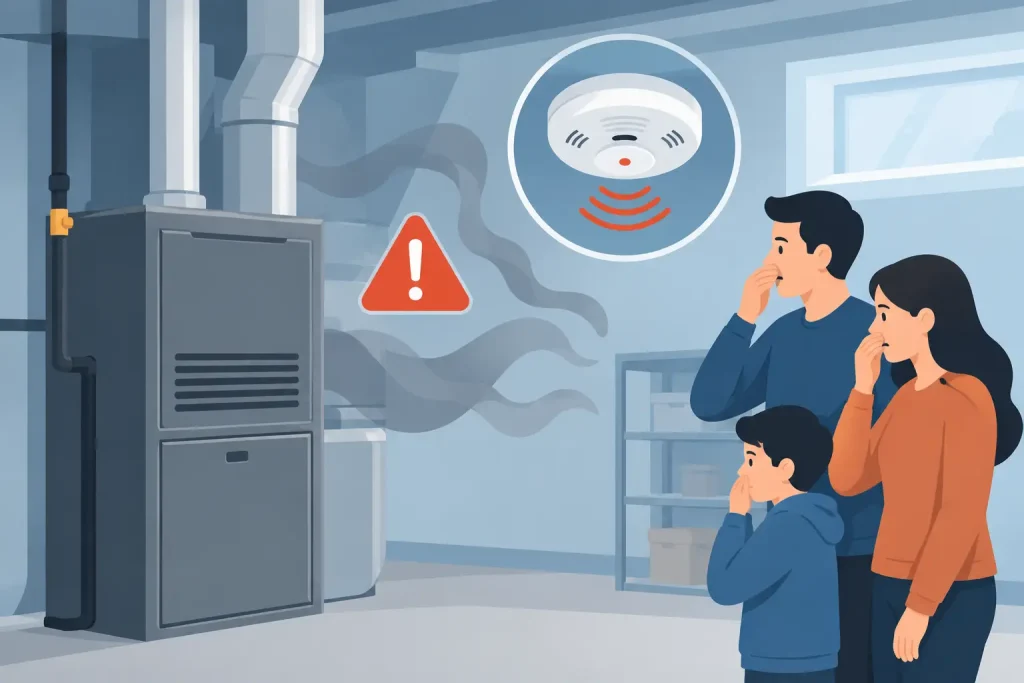
Pay attention to changes in operation as well. New rattling sounds, short cycling, unusual odors that persist, or a sudden jump in heating costs are worth checking. Addressing concerns early is usually easier than waiting until the system stops on the coldest night of the season.
A well-planned furnace replacement is not just about buying new equipment. It is about choosing a system that fits your property, receiving honest guidance, and having skilled local technicians available when comfort matters most. If your current furnace is becoming unreliable, a professional assessment can give you a clear path forward before winter makes the decision urgent.