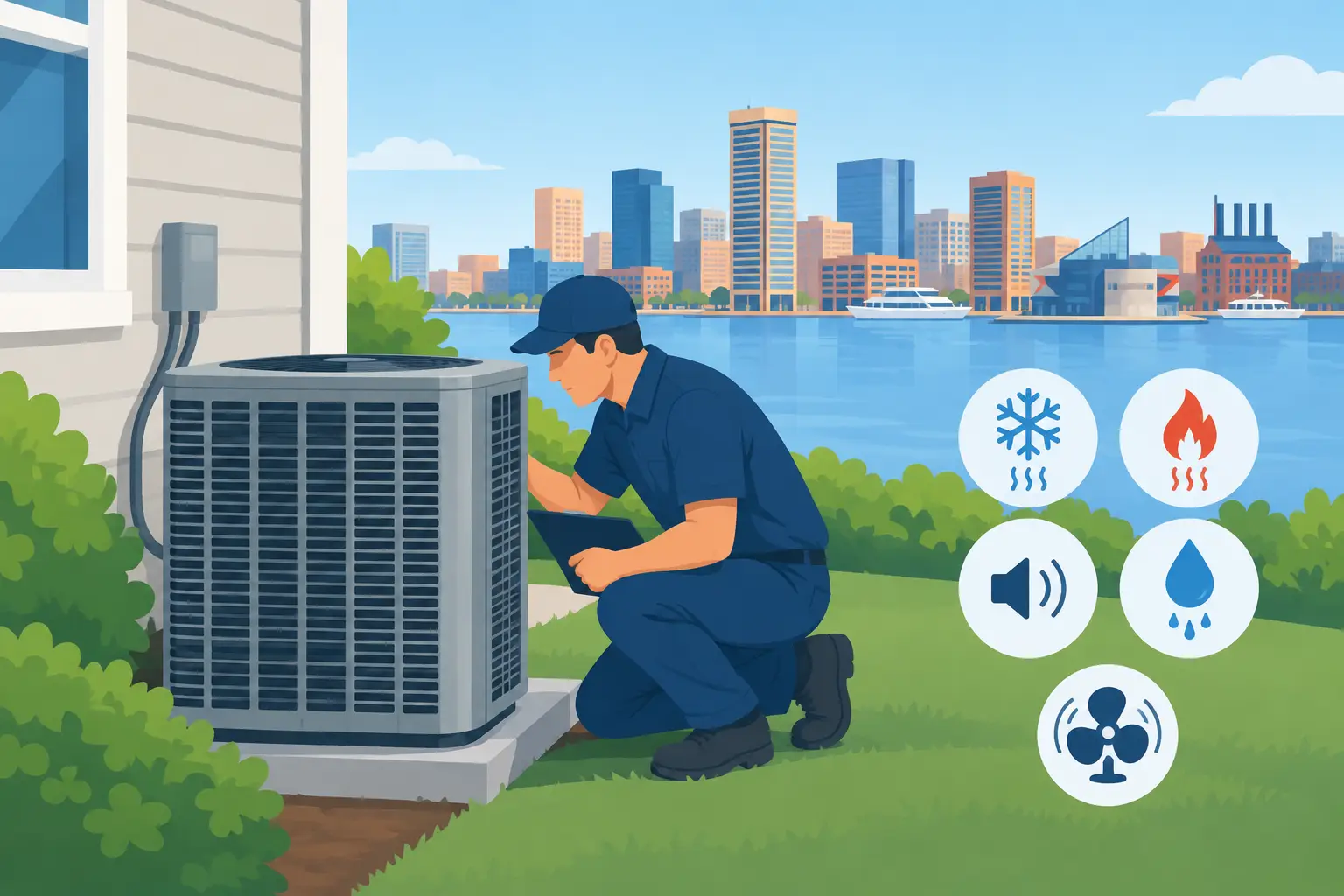
A failed air conditioner in a Maryland heat wave or a furnace that quits on a cold night is more than an inconvenience. Prompt HVAC repair protects your comfort, helps prevent damage to equipment, and can keep a small issue from becoming an expensive replacement decision. The key is knowing what deserves an immediate call and what can be addressed with a scheduled service visit.
HVAC Repair Starts With the Right Diagnosis
Your heating and cooling system is a group of connected parts, not a single appliance. A thermostat issue, clogged filter, worn capacitor, dirty coil, refrigerant concern, electrical problem, or failing blower motor can all create similar symptoms. That is why a quick guess is rarely a good repair strategy.
A qualified technician should inspect the system, test its operation, identify the source of the problem, and explain the recommended repair in clear language. Homeowners and property managers deserve to know what failed, why it matters, what the repair involves, and whether there are practical options to consider.
At ABC Cooling & Heating, the goal is straightforward: diagnose the issue accurately, complete the needed work efficiently, and help you make a confident decision about your indoor comfort. A repair should solve the actual problem, not simply quiet the symptom for a few days.
Signs Your Heating or AC System Needs Service
Some HVAC problems announce themselves loudly. Others start with minor changes in comfort, sound, or energy use. Paying attention early can often reduce downtime and limit the scope of the repair.
Your system runs but does not keep up
If the thermostat is set correctly but rooms stay warm in summer or chilly in winter, the system may be struggling with airflow, mechanical wear, thermostat communication, duct issues, or a heating or cooling component that is not operating as it should. Closing vents or continually adjusting the thermostat may mask the issue, but it will not fix it.
Uneven temperatures matter, too. One uncomfortable bedroom may point to a duct or airflow concern, while several uncomfortable rooms can signal a larger system problem. The answer depends on the layout of the property and the condition of the equipment.
You hear new or persistent noises
A brief sound at startup is not always cause for alarm. Grinding, screeching, rattling, banging, or repeated clicking are different. These noises can indicate loose parts, worn bearings, blower trouble, or electrical components that need professional attention.
Turn the system off if you hear a severe mechanical noise, smell burning, or notice smoke. Continuing to run equipment under those conditions can lead to more extensive damage and may create a safety concern.
Airflow is weak or inconsistent
Weak air from supply vents can make a healthy-looking system feel ineffective. Sometimes the cause is as simple as a heavily clogged filter. In other cases, the problem may involve the blower, evaporator coil, ductwork, or another component affecting air movement.
Replacing filters on schedule is one of the few tasks most property owners can handle safely. If a clean filter does not improve airflow, it is time to have the system evaluated rather than forcing it to run harder.
Energy bills rise without a clear reason
A sudden jump in utility costs can happen during extreme weather, but a consistent increase deserves attention. Heating and cooling systems use more energy when they are dirty, poorly maintained, short-cycling, or working around a developing mechanical issue.
Energy use alone does not diagnose the problem. Still, when higher bills appear alongside poor comfort, longer run times, or strange noises, a service call can help uncover the cause before the system fails completely.
When HVAC Repair Is an Urgent Need
Not every problem requires an emergency response, but some situations should not wait. Loss of heat during cold weather is especially important for households with young children, older adults, or vulnerable occupants. A complete loss of cooling during extreme heat can also become urgent, particularly in upper-floor apartments, occupied commercial spaces, and homes with health-sensitive residents.
Call for service promptly if you notice burning odors, electrical issues, water leaking around indoor equipment, a carbon monoxide alarm, or a gas smell. If you suspect a gas leak, leave the area and contact the appropriate emergency utility provider first. Do not try to troubleshoot gas or electrical components yourself.
For landlords and property managers, fast action is also a matter of protecting the building and the people in it. A leaking condensate line can damage ceilings or flooring, while a heating failure can quickly lead to tenant complaints and difficult conditions. Clear communication, documented diagnosis, and timely repair make those situations easier to manage.
Repair or Replace: How to Make a Practical Decision
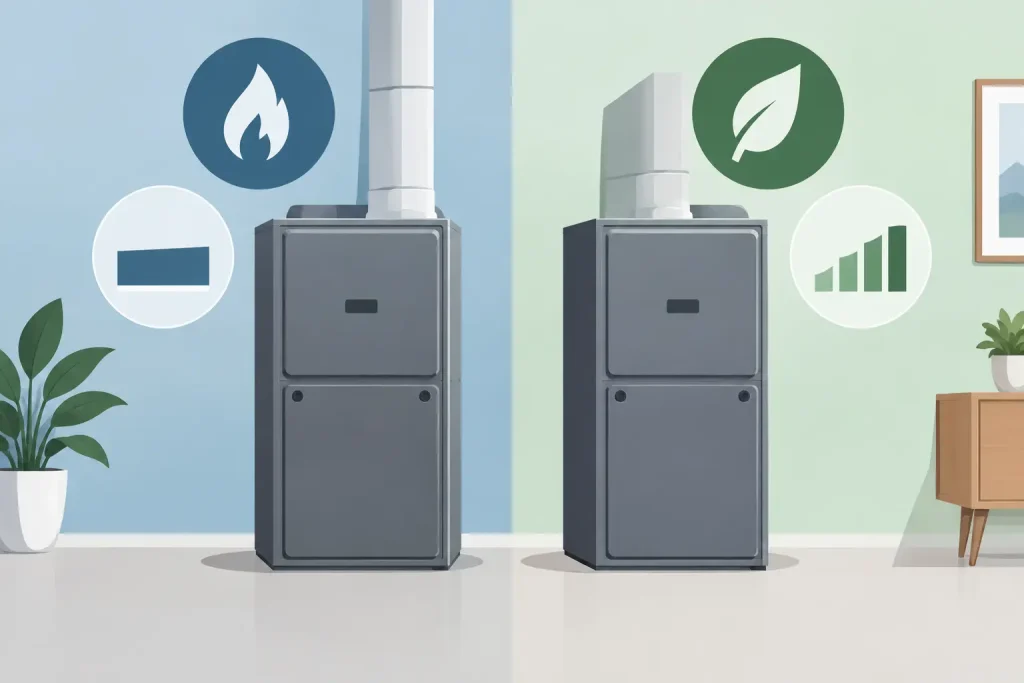
A repair is often the best choice when the equipment is relatively new, the issue is isolated, and the rest of the system is operating well. Replacing a failed electrical component or correcting an airflow problem can restore dependable operation without the cost of a full system replacement.
Replacement becomes worth discussing when repairs are frequent, major components are failing, energy performance has dropped substantially, or the system is nearing the end of its expected service life. Age alone does not automatically mean replacement. A well-maintained unit may have useful years remaining, while an abused or improperly sized system may become unreliable much earlier.
The right decision comes down to repair cost, equipment condition, expected reliability, efficiency goals, and your plans for the property. For a homeowner planning to stay for years, a higher-efficiency replacement may be a sensible long-term investment. For a rental property, dependable performance, tenant comfort, and manageable operating costs may be the priority. There is no one-size-fits-all answer.
A trustworthy HVAC professional should explain both paths when replacement is a reasonable consideration. You should not feel pressured into new equipment when a safe, dependable repair is available. At the same time, repeatedly paying for short-term fixes on a failing system can cost more than addressing the bigger issue.
What to Expect During a Service Visit
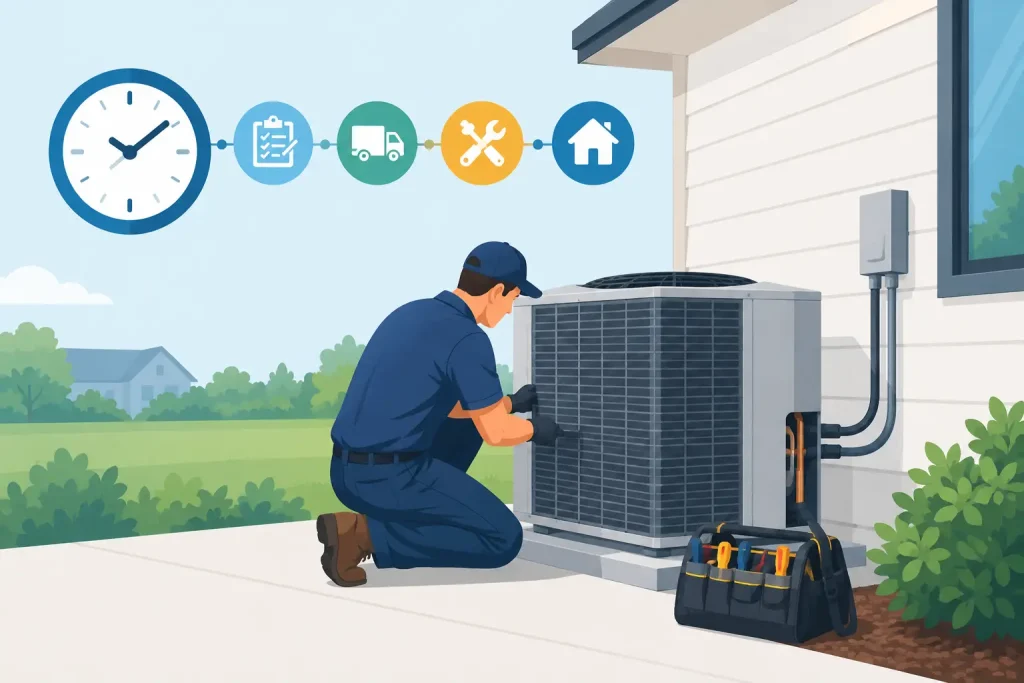
A professional HVAC repair visit should feel organized, not confusing. The technician will usually ask about the symptoms, inspect the equipment, check electrical and mechanical operation, and evaluate factors such as airflow, controls, drainage, and system performance. The exact process differs for air conditioners, furnaces, heat pumps, and commercial equipment, but the goal stays the same: find the cause before recommending a solution.
After the diagnosis, ask direct questions. What part failed? Is the repair necessary now? Are there signs of another issue that should be monitored? How can future breakdowns be reduced? Clear answers help you compare the immediate need with your longer-term maintenance or replacement plans.
For commercial and multi-unit properties, it is helpful to share access details, equipment history, recurring tenant concerns, and any limits on service windows. That information can save time and help the technician work more efficiently.
Maintenance Reduces Avoidable Breakdowns
Maintenance cannot prevent every failure. Parts wear out, weather is demanding, and older equipment eventually needs attention. Still, routine service gives technicians a chance to spot loose connections, drainage issues, dirty components, weak electrical parts, and performance concerns before they become urgent calls.
Seasonal maintenance is especially useful before summer cooling demand and winter heating demand arrive. A typical visit may include cleaning, inspection, safety checks, and performance testing tailored to your equipment. The result is not a guarantee against breakdowns, but it can improve reliability, efficiency, and peace of mind.
Between visits, keep outdoor equipment clear of leaves and debris, replace filters as recommended, and avoid blocking supply or return vents with furniture. These simple habits support airflow and make it easier for your system to do its job.
Choose Clear Communication Along With Technical Skill
When your heat or AC stops working, you need more than a repair invoice. You need a professional who respects your property, arrives prepared, explains the issue plainly, and treats your comfort as the priority. That matters whether you own a home in Baltimore, manage a rental in Dundalk, or operate a small business nearby.
If your system is showing warning signs, do not wait for a manageable issue to become a no-heat or no-cooling emergency. A timely evaluation can give you a clear path forward and help keep your space comfortable when you need it most.