A failed furnace in January or an air conditioner that quits during a Baltimore heat wave rarely arrives at a convenient time. Heating and cooling financing options can help homeowners, landlords, and small property managers replace essential equipment without delaying a decision that affects comfort, safety, and daily operations. The right choice is not always the lowest monthly payment. It is the option that fits your budget, timeline, and total cost.
Why HVAC financing deserves a closer look
A new HVAC system is a major property expense, especially when replacement follows an unexpected breakdown. Repairs may be the sensible short-term answer when the equipment is relatively new and the issue is isolated. But when repairs are becoming frequent, energy bills are climbing, or a system is nearing the end of its service life, replacement can prevent a larger disruption later.
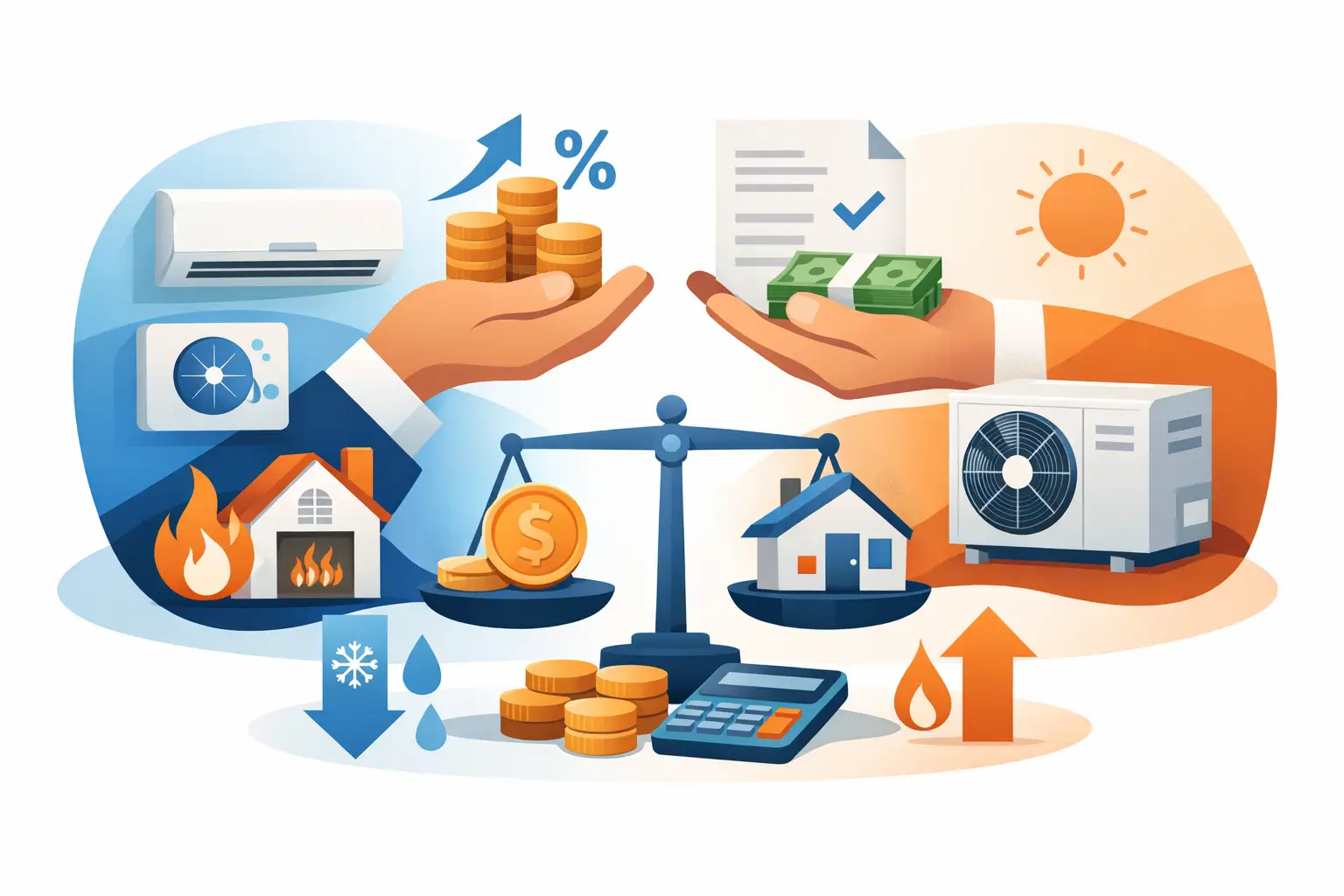
Financing gives you another way to manage that decision. Rather than paying the full installation cost at once, you spread payments over time. That can preserve cash for other household or business needs, but financing also adds interest, fees, or other terms that deserve careful review.
Before choosing a payment method, start with a clear installation quote. It should identify the equipment being recommended, the work included, warranty details, and any electrical, ductwork, thermostat, or permit needs that may affect the final price. A lower equipment price does not always mean a lower project cost if important work is excluded.
Common heating and cooling financing options
The best financing route depends on your credit profile, how quickly the work is needed, the size of the project, and whether you own the property. These are the most common paths customers consider.
Contractor-arranged payment plans
Many HVAC contractors work with third-party financing providers that offer installment plans for qualifying customers. This can be a convenient choice because the financing application is tied directly to the proposed installation. Approval decisions may be quick, which matters when a failed heating or cooling system needs prompt replacement.
Plans vary widely. Some may offer promotional periods with low or no interest if the balance is paid in full by a specific date. Others use a fixed interest rate and a set monthly payment over several years. Read the terms closely, especially with deferred-interest promotions. If the full balance is not paid within the promotional period, interest may be charged under conditions that make the total cost much higher than expected.
Ask what the monthly payment will be, how long payments last, whether there is a prepayment penalty, and what the total amount paid will be if you make only the required payment. A dependable contractor should explain the system quote clearly, while the lender should provide the financing terms in writing.
Personal loans
An unsecured personal loan can work well for homeowners who want a predictable payoff schedule and prefer to compare rates from multiple lenders. Since the loan is not secured by your home, approval and interest rates usually depend on credit history, income, debt, and other lender requirements.
The main advantage is flexibility. You can use the funds for the HVAC project and, if necessary, related work such as insulation improvements, electrical updates, or duct repairs. The trade-off is that borrowers with limited credit or higher existing debt may receive higher interest rates than they would through a secured loan.
When comparing offers, focus on the annual percentage rate, loan term, origination fees, and total repayment amount. A longer term can lower the monthly payment, but it usually increases the total interest paid.
Home equity loans and lines of credit
For homeowners with available equity, a home equity loan or home equity line of credit may provide a lower interest rate than some unsecured borrowing options. A home equity loan generally delivers a lump sum with fixed payments. A line of credit allows you to borrow as needed up to an approved limit, which can be useful if the scope of work may change.
These options are often better suited to planned replacements or larger upgrades because the application and closing process may take longer than contractor-arranged financing. They also use your home as collateral, so they should be considered carefully. Missing payments can put your property at risk.
Credit cards
A credit card may make sense for a smaller repair or for a customer who can pay off the balance quickly. Some cards offer introductory rates or rewards, but standard credit card interest can become expensive when a large HVAC balance remains unpaid.
This option is usually most practical when you have a clear payoff plan. Using a high-interest card to finance a full system replacement without one can turn an urgent comfort problem into a long-term financial burden.
Savings and phased payment planning
Paying from savings avoids interest and lender fees. For a planned replacement, this may be the most cost-effective route. However, draining emergency savings for an HVAC system can leave a household or business exposed to the next unexpected expense.
In some cases, a blended approach is more comfortable: use part of your savings for a down payment, then finance the remaining balance. Reducing the amount borrowed can lower monthly payments and total interest while protecting some cash reserves.
How to compare HVAC financing offers
Monthly payment is only one part of the picture. Two offers can have similar payments but very different total costs because of interest rates, fees, or loan lengths. Request written details and compare the same information for each option:
- The amount being financed after any down payment
- The annual percentage rate and whether it can change
- The number and amount of monthly payments
- Any promotional terms and what happens when they end
- Origination fees, late fees, and prepayment rules
- The total amount you will pay over the full term
If an offer seems unusually attractive, look for the condition attached to it. A low introductory payment may rise later. A long loan term may make the system feel affordable each month while adding substantial interest over time. Clear terms protect you from surprises.
Choose the system before choosing the payment
Financing should support the right HVAC decision, not push you into equipment that does not fit the property. A properly sized system, installed correctly, is more likely to provide consistent comfort and dependable performance. Oversized equipment can cycle on and off too often, while undersized equipment may struggle during Maryland’s hottest and coldest stretches.
A qualified HVAC professional should evaluate the property before recommending a replacement. That includes the building size, insulation, window exposure, duct condition, occupancy, and existing equipment. For commercial spaces and rental properties, operating schedules and tenant needs also matter.
Efficiency is part of the equation, but it should be viewed realistically. A higher-efficiency unit may reduce energy use, yet the savings depend on how the property is built, how the system is used, local utility rates, and the condition of the ductwork. Ask for a recommendation that balances upfront price, expected performance, and the length of time you expect to own or manage the property.
Questions to ask before signing
Before accepting financing, make sure you understand both the installation and the payment agreement. Ask whether the quote is fixed or whether conditions found during installation could change the price. Confirm who handles permits, disposal of old equipment, startup testing, and warranty registration.
For the loan itself, ask whether the interest rate is fixed, whether there is a payoff penalty, and whether a promotional offer uses deferred interest. Keep copies of the estimate, financing agreement, payment schedule, and warranty documents together. These records are useful for future service, property management files, and resale documentation.
For landlords and property managers, it is also wise to consider the cost of downtime. A financing option with a slightly higher rate may still be worthwhile if it allows a prompt replacement that protects tenants, prevents frozen-pipe risks, or keeps a commercial space operating.
A heating or cooling replacement does not have to become a rushed financial decision. Get a clear diagnosis, compare the full cost of available payment options, and select equipment that suits the property rather than the loan promotion. When comfort cannot wait, a straightforward quote and a realistic payment plan can help you move forward with confidence.