A heating system usually gets your full attention on the first freezing morning when the house feels cold and the thermostat keeps climbing. If you’re weighing a heat pump vs furnace decision, the right answer depends on more than sticker price. It comes down to how your home is built, how you use it, what your utility costs look like, and how much year-round efficiency matters to you.
For homeowners and property managers in Maryland, this is rarely a one-size-fits-all choice. Our winters can be cold, but not always brutally long. That puts many properties in the middle ground where either option could make sense, depending on the layout, insulation, ductwork, and comfort goals.
Heat pump vs furnace: the basic difference
A furnace creates heat. In most homes, that means burning natural gas, propane, or oil, or using electric resistance heat, then pushing warm air through the duct system. It is built for one primary job – heating.
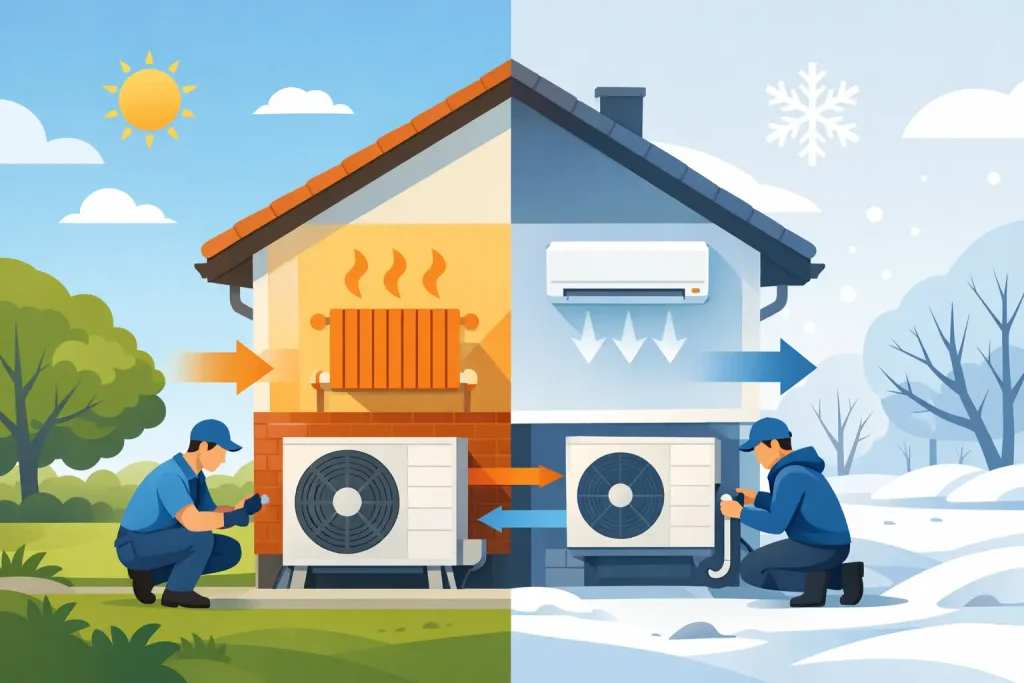
A heat pump works differently. It does not create heat in the same way. It moves heat from one place to another. In winter, it pulls heat from outdoor air and brings it inside. In summer, it reverses direction and cools your home like an air conditioner. That dual-purpose design is one reason many property owners consider it during a replacement.
This distinction matters because it affects operating cost, comfort, maintenance needs, and what equipment you may or may not need alongside it.
Which system is more energy efficient?
In moderate temperatures, a heat pump is often the efficiency winner. Because it transfers heat instead of generating it, it can deliver strong performance while using less energy than many traditional systems. For homes with high electric rates or poor insulation, the real-world savings can vary, but on paper and in many actual homes, heat pumps are very efficient.
A gas furnace can still be an efficient choice, especially if you install a high-efficiency model. Modern furnaces can achieve very high AFUE ratings, which means a large percentage of the fuel used becomes usable heat. If your home already has a gas line and gas prices are favorable, a furnace may remain cost-effective during the coldest part of winter.
The trade-off is seasonal. Heat pumps tend to shine in mild to cool weather. Furnaces tend to be stronger when outdoor temperatures drop sharply and stay low.
Comfort feels different with each one
Efficiency matters, but comfort is what people notice every day.
A furnace usually delivers hotter air at the vents. That can make a house feel warm quickly, which many homeowners prefer during very cold weather. If your current furnace has always kept the home comfortable, a new furnace often feels familiar and dependable.
A heat pump usually supplies air at a lower temperature than a furnace, even when it is working properly. The home can still reach the thermostat setting, but the air coming from the vents may feel less warm to your hand. Some people like the steadier, more even heating. Others interpret it as not heating strongly enough, even when the system is performing as designed.
That difference is especially important in older homes with drafts or uneven insulation. In those cases, a furnace may feel more satisfying on the coldest days, while a heat pump may offer better efficiency but a different comfort profile.
Upfront cost and long-term value
When comparing replacement options, cost usually drives the conversation.
If your home already has ductwork and gas service, replacing an older furnace with a new furnace can be a straightforward project. That may keep installation costs more predictable. If you also need air conditioning, though, remember that a furnace alone does not cool. You may still need a separate AC system.
A heat pump combines heating and cooling in one system. That can make it a smart value when both sides of the system are aging out at the same time. Instead of replacing a furnace now and an AC later, some owners choose a heat pump as an all-in-one upgrade.
Still, upfront price is not the full story. Operating costs, maintenance, expected lifespan, available rebates, and the condition of your existing equipment all affect long-term value. A lower installation price does not always mean lower ownership cost over the next 10 to 15 years.
Heat pump vs furnace in Maryland weather
Maryland sits in a range where both systems can work well, but local weather patterns matter.
A heat pump can handle much of the heating load during typical winter conditions. On milder winter days, it can be an efficient and practical option. During colder stretches, however, performance can become less favorable, and some systems rely on auxiliary heat to maintain indoor comfort.
A furnace is less affected by outdoor temperature swings in that way. When temperatures dip, a properly sized furnace can continue delivering strong heat output. That reliability is one reason many homeowners still prefer furnaces in this region.
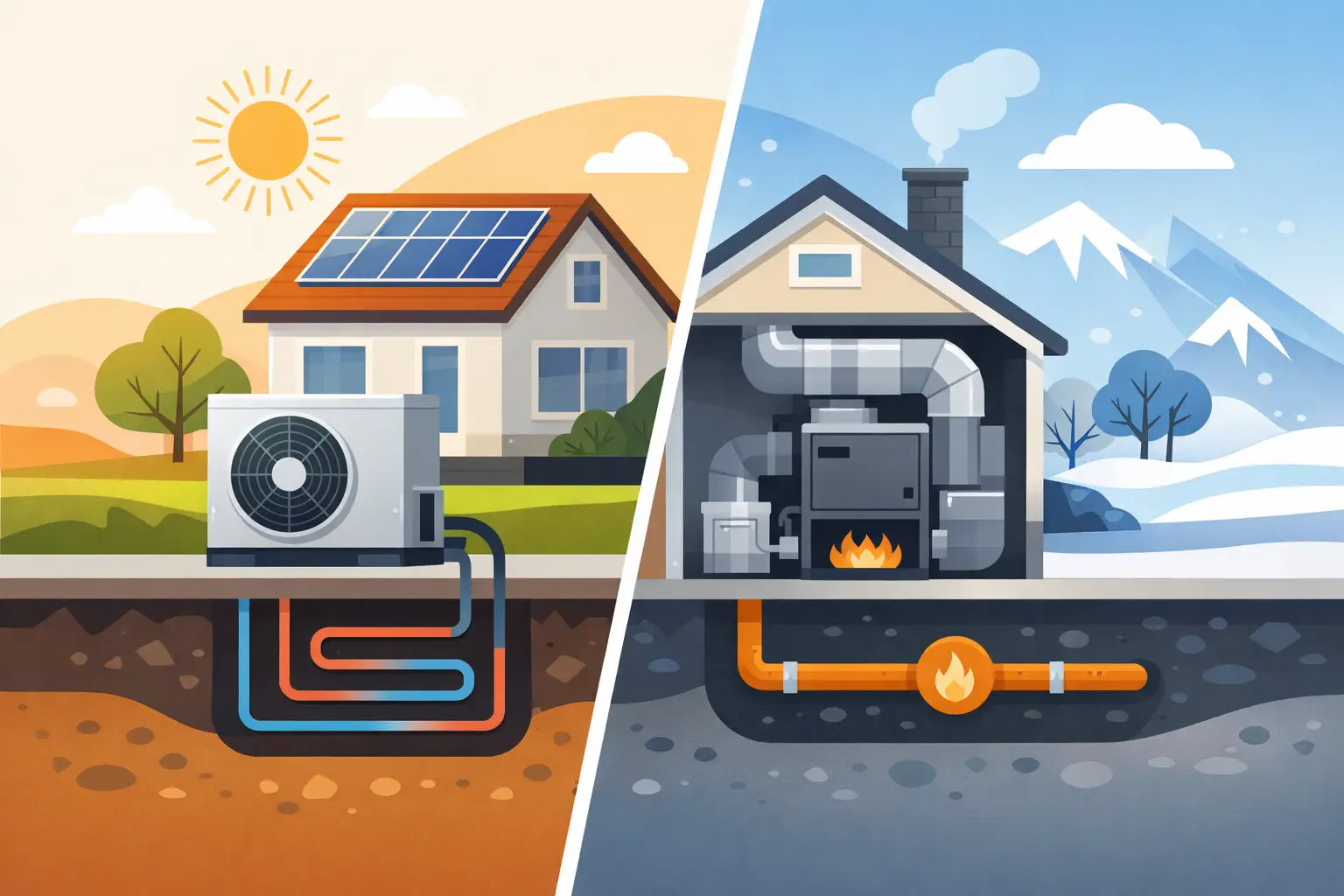
For some properties, the best answer is not strictly one or the other. A dual-fuel setup pairs a heat pump with a furnace, allowing the system to use the heat pump during milder weather and switch to furnace heat when temperatures fall. That approach is not necessary for every home, but it can be worth discussing if you want efficiency without giving up cold-weather performance.
Your home’s setup can make the choice easier
The building itself often decides more than the brochure does.
If you already have natural gas service, usable ductwork, and a furnace that has performed well for years, a new furnace may be the cleanest replacement path. If your air conditioner is also nearing the end of its life, the conversation becomes broader because a heat pump can replace both functions.
If your property uses electric heat and central air, moving to a heat pump may significantly improve efficiency. If you own a rental property, you may also think about ease of service, tenant comfort, and utility responsibility. A system that looks efficient on paper still needs to make sense for the people using the building and the budget behind it.
Insulation, window quality, air leakage, and duct condition also matter. A high-efficiency heating system installed in a drafty home will not perform as well as it should. Sometimes the right recommendation is not just equipment replacement. It may include addressing airflow or envelope issues so the new system can actually do its job.
Maintenance and repair expectations
Both systems need regular maintenance if you want dependable performance.
A furnace needs seasonal inspection, filter changes, burner or ignition checks, airflow testing, and safety review. Gas furnaces also require attention to combustion and venting components. When maintained properly, they are reliable systems, but skipping service can lead to reduced efficiency and unexpected breakdowns.
A heat pump runs year-round because it handles both heating and cooling. That means the equipment sees more annual use. It needs coil cleaning, refrigerant performance checks, electrical inspection, defrost control review, and airflow maintenance. Since it does double duty, preventive service becomes even more important.
Neither option is maintenance-free. The better question is whether you want one system serving both seasons or separate equipment with different roles.
When a furnace makes more sense
A furnace is often the better fit if your priority is strong heating performance in very cold weather, especially in a home that tends to lose heat quickly. It also makes sense if natural gas is available, your existing setup supports a simple furnace replacement, and you prefer the warmer supply air a furnace delivers.
For some commercial spaces or larger homes, fast recovery can matter too. If doors open frequently, or certain zones cool down quickly, furnace heat may provide the response you want.
When a heat pump makes more sense
A heat pump is often a strong choice if you want one system for heating and cooling, lower energy use during much of the year, and modern efficiency in a climate that is not constantly extreme. It can be especially appealing when both your heating and cooling equipment are due for replacement.
It may also be a smart option for homeowners looking to reduce reliance on fossil fuels or improve efficiency in a well-insulated home. In many cases, the comfort is excellent – just different from what long-time furnace users expect.
The best choice is the one that fits your property
The most useful answer to heat pump vs furnace is usually based on an in-home evaluation, not a generic rule. System size, fuel source, duct design, insulation levels, and how you actually use the space all matter. A quick recommendation without those details is often where costly mistakes start.
At ABC Cooling & Heating, we see this firsthand in homes and small commercial properties across the Baltimore area. Two houses on the same street can need completely different solutions based on age, layout, and equipment history.
If you are replacing an aging system, focus on fit rather than trends. The best heating system is the one that keeps the building comfortable, controls operating costs, and gives you confidence when the next cold front rolls in.