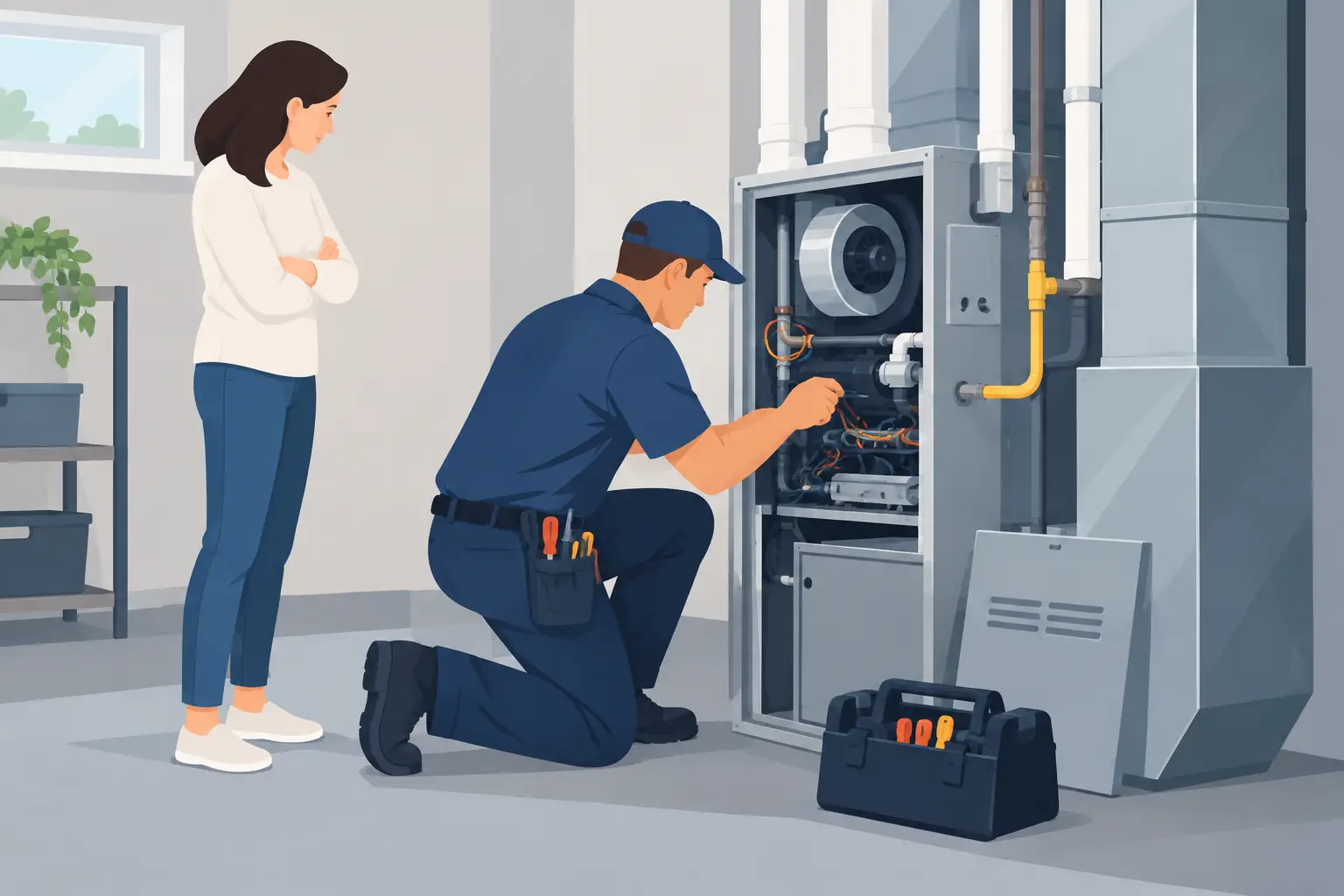
A furnace rarely breaks down at a convenient time. It usually shows up as a cold bedroom, a thermostat that will not move past 64 degrees, or a system that starts and stops while your home never gets comfortable. Timely furnace repair can prevent a minor issue from becoming a no-heat emergency, especially during a Maryland cold snap.
For homeowners, landlords, and property managers, the goal is not just to get heat back. It is to understand what is happening, make safe decisions, and get a clear answer on whether repair or replacement makes the most sense. Some problems have a simple fix. Others involve electrical components, combustion equipment, or ventilation and need a licensed HVAC technician right away.
Furnace Repair Signs You Should Not Ignore
A furnace does not have to stop working completely to need service. In fact, calling when the first warning signs appear can often reduce the scope of the repair and help protect the rest of the system.
Uneven heat is one common concern. If the living room feels comfortable but bedrooms, upper floors, or certain offices remain chilly, the problem may involve airflow, ductwork, a blower motor, thermostat settings, or the furnace itself. Closing too many supply vents can also create airflow issues, so it is worth checking that vents are open and unobstructed before scheduling service.
Strange noises deserve attention as well. A brief sound when the unit starts may be normal, but banging, scraping, screeching, rattling, or repeated clicking is not something to ignore. These sounds can point to a loose part, worn blower component, ignition issue, or a problem with the motor. Waiting may turn a manageable repair into more extensive damage.
Other signs include short cycling, rising utility bills, weak airflow from vents, a furnace that blows cool air, or a yellow rather than blue burner flame on a gas furnace. A yellow flame can indicate a combustion concern and should be evaluated by a professional.
What You Can Check Before Calling for Service
A few basic checks can save time and help rule out simple causes. These steps are appropriate only when there is no gas odor, smoke, sparking, water around the unit, or carbon monoxide alarm. If any of those conditions are present, skip troubleshooting and take the proper safety steps.
Start with the thermostat. Confirm it is set to Heat and that the temperature setting is higher than the current room temperature. If it uses batteries, replace them. Then check the furnace switch, which often looks like a standard wall switch near the equipment, and inspect the circuit breaker for a tripped breaker.
Next, inspect the air filter. A heavily clogged filter restricts airflow and can cause overheating, short cycling, and poor comfort. Replace disposable filters with the correct size and airflow rating recommended for your system. Do not run the furnace without a filter.
If you have a high-efficiency furnace, check the exterior intake and exhaust pipes for snow, leaves, ice, or other obstructions. These pipes need open airflow for safe operation. Avoid taking apart panels, bypassing safety switches, or repeatedly resetting the furnace. Those actions can mask the real issue and create a safety risk.
When Furnace Repair Is an Emergency
Not every heating issue requires an emergency call, but some do. A furnace that will not keep a home warm during freezing weather can quickly become a health and property concern, particularly for young children, older adults, tenants, and vacant properties with plumbing at risk of freezing.
Leave the building and contact the gas utility or emergency services if you smell gas. The odor is often described as sulfur-like or similar to rotten eggs. Do not operate switches, use a phone inside the building, light a flame, or attempt to restart the furnace.
A carbon monoxide alarm also requires immediate action. Move everyone outside into fresh air and contact emergency services. Carbon monoxide has no color or smell, which is why working detectors near sleeping areas and on each level of a property are essential.
Smoke, visible soot, electrical burning odors, frequent breaker trips, or water leaking around the furnace also deserve prompt professional attention. Shut the system down if it is safe to do so, then arrange service. Quick action protects your equipment, your property, and the people inside it.
Why a Furnace May Run but Not Heat Your Home
One of the most frustrating calls is a furnace that seems to be running but produces little or no heat. The answer depends on the type of system and its symptoms.
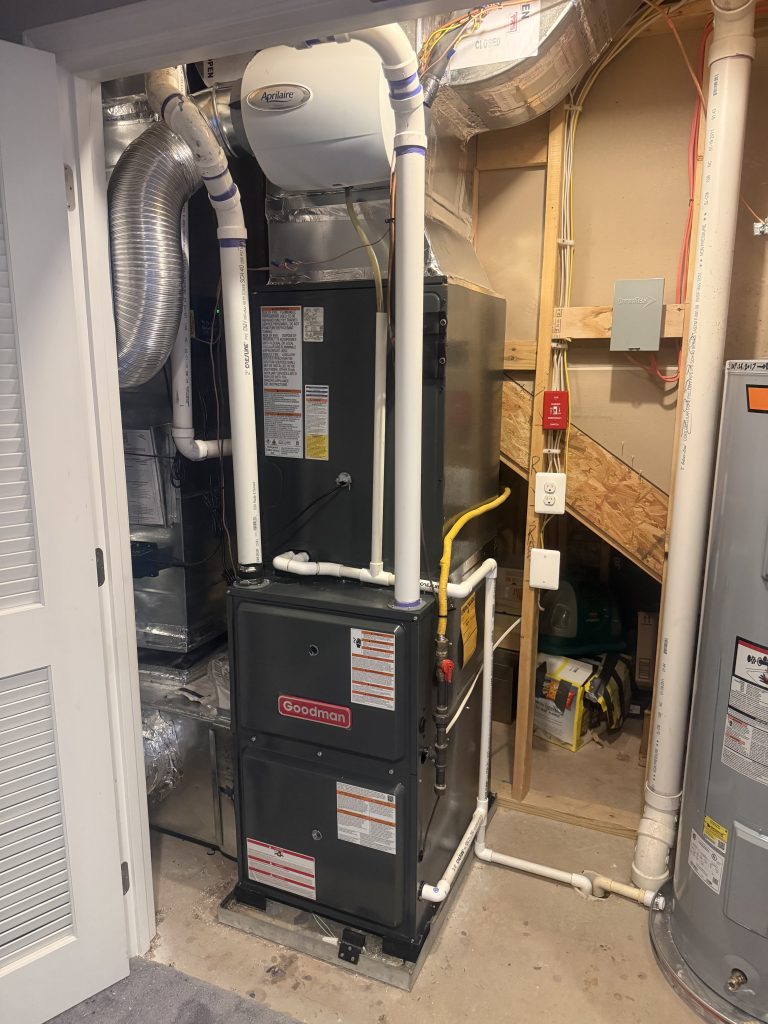
With a gas furnace, the issue may involve the igniter, flame sensor, gas valve, pressure switch, control board, or venting. A dirty flame sensor, for example, can cause the burners to light briefly and shut down. The furnace is trying to operate, but its safety controls are preventing it from completing the heating cycle.
With an electric furnace, heating elements, sequencers, wiring, or controls may be the cause. Heat pump systems can also feel different from traditional furnaces because supply air is typically less hot, even when the system is working correctly. During very cold weather, a heat pump may rely on auxiliary heat to maintain comfort.
This is why accurate diagnosis matters. Replacing a part based on a guess can waste money and leave the original problem unresolved. A qualified technician should inspect system operation, electrical readings, airflow, safety controls, and the condition of key components before recommending a repair.
Repair or Replacement: How to Make the Right Call
A repair is often the sensible choice when the furnace is under 10 years old, has been maintained, and needs a straightforward component replacement. Issues such as a failed igniter, capacitor, flame sensor, thermostat, or minor electrical repair can frequently be resolved without replacing the entire system.
Replacement may be worth considering when a furnace is nearing the end of its expected service life, has repeated breakdowns, needs a costly major component, or no longer heats efficiently. Many furnaces last roughly 15 to 20 years, but maintenance history, installation quality, usage, and equipment type all affect that range.
The lowest immediate price is not always the lowest long-term cost. An older furnace with recurring repairs may continue to create high utility bills and inconvenient service calls. On the other hand, replacing a unit too early can be unnecessary if it has years of dependable operation left. The right decision comes from the condition of the equipment, the repair cost, energy performance, and your plans for the property.
For rental homes and commercial spaces, reliability carries additional weight. A heating failure can affect tenants, employees, customers, and daily operations. A clear recommendation should account for those practical costs, not just the price of one repair.
Preventing Unplanned Furnace Problems
Preventive maintenance is one of the most effective ways to reduce surprise breakdowns. Before heating season, a professional tune-up can identify worn components, test safety controls, inspect electrical connections, evaluate combustion on gas equipment, and confirm the system is operating as it should.
Between visits, replace filters regularly, keep the area around the furnace clear, and pay attention to changes in sound, airflow, and cycling. Make sure carbon monoxide detectors are working and test them according to the manufacturer instructions. If your home has a programmable thermostat, use a consistent schedule rather than making large temperature changes throughout the day.
For Baltimore-area properties, scheduling maintenance before the first sustained cold weather is especially helpful. It gives you time to address small issues before your furnace is working overtime and appointment availability becomes tighter.
ABC Cooling & Heating provides practical furnace repair for homeowners and property managers who need clear answers, responsive service, and dependable workmanship. A technician can identify the source of the issue, explain the available options, and help you make a decision that fits your comfort needs and budget.
When your furnace starts acting differently, do not wait for a complete failure to find out what is wrong. Addressing the first signs of trouble can help keep your home or building warm, safe, and ready for the next cold night.