You usually do not think much about your furnace until the house feels cold, the airflow drops, or the unit starts making a noise it never made before. That is when the signs furnace needs replacement become hard to ignore. For homeowners and property managers, catching those warning signs early can mean the difference between a planned upgrade and an emergency call during the coldest week of the year.
A furnace rarely fails all at once without giving some notice. More often, it starts costing more to run, needing more repairs, and doing a worse job keeping the property comfortable. Some of those issues can still be fixed with a repair. Others point to a system that is simply at the end of its useful life.
When repair stops being the smart option
A good furnace repair can absolutely make sense, especially if the system is newer and the issue is isolated. A failed ignitor, worn belt, clogged filter, or faulty thermostat does not automatically mean you need a full replacement. But if problems keep stacking up, the math changes.
The real question is not just whether a furnace can be repaired. It is whether repairing it again is worth the cost, the risk, and the inconvenience. If you are dealing with repeat breakdowns, inconsistent heating, and rising utility bills, replacement may be the more practical long-term decision.
Signs furnace needs replacement instead of another repair
Your furnace is 15 to 20 years old
Age is not everything, but it matters. Most furnaces last around 15 to 20 years with proper maintenance. Some run longer, especially if they have been serviced regularly. Even so, older systems tend to lose efficiency and become more prone to breakdowns.
If your furnace is in that age range and starting to act up, it is worth looking beyond the immediate repair. A single fix might get it running again, but an aging unit often continues to demand more attention each season.
Your energy bills keep climbing
If your usage has stayed about the same but your heating bills have gone up, your furnace may be working harder than it should. As internal components wear down, older systems often burn more fuel or use more electricity to deliver less heat.
That does not always mean replacement is the only answer. Dirty filters, duct leaks, or thermostat issues can also affect efficiency. But when a technician rules those out and the furnace still struggles, the system itself may be the problem.
Some rooms are warm and others stay cold
Uneven heating is one of the most common complaints with failing furnaces. You set the thermostat to a comfortable temperature, but the back bedroom still feels chilly while the living room gets too warm.
In some homes, uneven temperatures come from duct design or insulation issues. In others, the furnace is no longer able to distribute heat consistently. If the system has already been serviced and balanced but comfort problems continue, replacement may be the better fix.
Repairs are becoming more frequent
One repair every now and then is normal. Multiple repairs in a single heating season are not. If your furnace keeps breaking down or needs another part every winter, it may be costing you more than it is worth.
A helpful way to think about it is this: if you no longer trust the system to make it through the season, that uncertainty has a cost too. Homeowners in Baltimore and surrounding areas often decide to replace before a full winter failure leaves them scrambling for same-day help.
It makes loud or unusual noises
Furnaces are not silent, but they should sound familiar. Banging, rattling, screeching, booming, or persistent humming can point to serious wear inside the system.
Sometimes a noise comes from a loose panel or a part that can be replaced. Other times, it signals a cracked heat exchanger, blower motor issues, or internal damage tied to age. If the sounds are getting louder or more frequent, it is time to take them seriously.
The air in your home feels drier or dustier
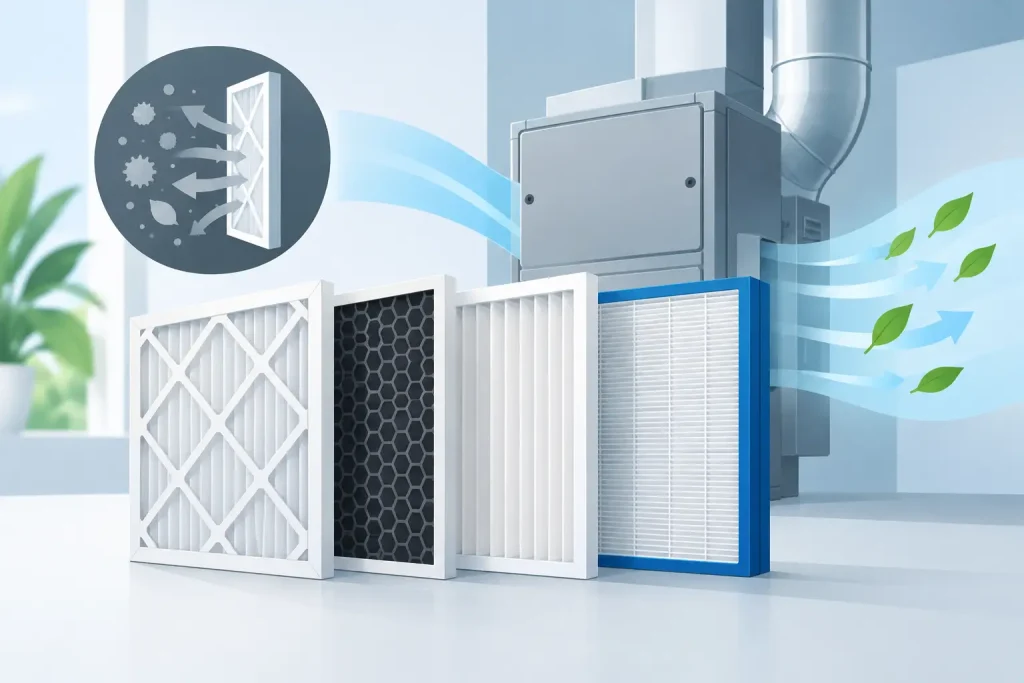
A failing furnace can affect more than temperature. You may notice more dust around vents, stale air, or dry indoor conditions that feel worse than usual in winter. Those symptoms can come from neglected maintenance, dirty ductwork, or filter issues, but they can also show up when an older heating system is no longer circulating air properly.
If comfort problems go beyond just heat, it may be a sign the furnace is wearing out as a whole system rather than dealing with one small repairable issue.
Your thermostat setting no longer matches how the house feels
When the thermostat says 72 but the house feels much colder, people often assume the thermostat itself is bad. That can happen, but it is not the only possibility. A furnace that short cycles, struggles to ignite, or cannot maintain output may create the same experience.
This is where a proper diagnosis matters. Replacing a thermostat will not solve a furnace that is no longer capable of heating the space effectively.
You notice yellow burner flames instead of blue
A healthy gas furnace usually burns with a steady blue flame. If the flame looks yellow, that can indicate a combustion problem. In some cases, it may point to ventilation issues or the production of carbon monoxide.
This is not a wait-and-see situation. If you suspect a combustion issue, have the system inspected right away. Safety comes first, and in some cases replacement is the safest path forward.
There is visible rust, cracks, or corrosion
Physical wear on the furnace cabinet or around key components can be a clue that the system is nearing the end. Rust, corrosion, and signs of cracking should never be ignored, especially on older units.
Not every visible issue means the whole furnace has failed. But structural deterioration often goes hand in hand with deeper internal wear. Once that pattern starts, replacement often becomes the more dependable solution.
How to tell if replacement makes financial sense
The biggest hesitation for many property owners is cost. That is understandable. A repair is easier to say yes to in the moment, especially if the furnace starts working again the same day. But lower upfront cost does not always mean lower overall cost.
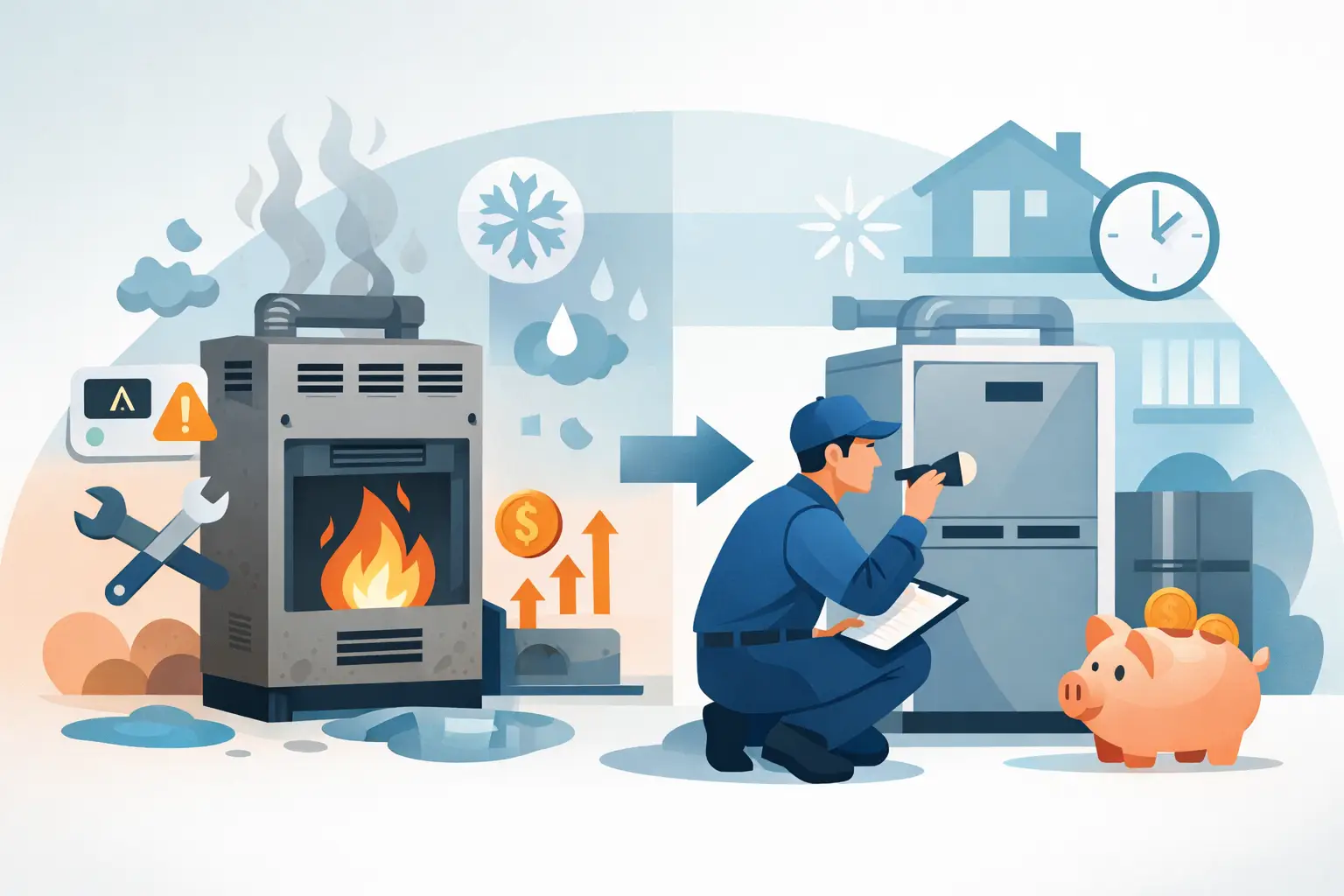
If your furnace is older, inefficient, and already asking for repeated repairs, putting more money into it may only delay the next problem. A newer system can improve comfort, reduce energy use, and lower the chance of an unexpected breakdown. That does not mean replacement is always the answer, but it often becomes the better value when repair bills start adding up.
A practical inspection should include more than a repair quote. You want to know the furnace age, the condition of major components, how efficiently it is operating, and whether another repair is likely to hold. Clear recommendations matter more than a sales pitch.
Why timing matters more than most people think
Waiting until the furnace completely stops working puts you in a tougher position. You are making a fast decision under pressure, usually during a stretch of cold weather when heating demand is high. That can mean fewer scheduling options and more stress.
Planning ahead gives you more control. If your furnace is showing several warning signs but still running, you have time to compare options, ask questions, and choose a system that fits the property instead of settling for whatever is available fastest.
That is especially helpful for landlords and small commercial property owners who need to avoid tenant complaints, business disruption, or emergency downtime.
What to do if you are noticing these warning signs
If several of these signs sound familiar, the next step is not to guess. It is to have the furnace inspected by a licensed HVAC professional who can tell you whether the issue is repairable, whether the system is safe to run, and whether replacement would save you money over time.
At ABC Cooling & Heating, that means looking at the full picture – not just the part that failed, but the age of the system, the condition of the equipment, and how reliably it can keep your home or building comfortable through the season. Good service starts with a clear answer.
A furnace does not have to quit completely to tell you it is wearing out. If your system is getting louder, less efficient, or harder to trust, pay attention now while you still have options.