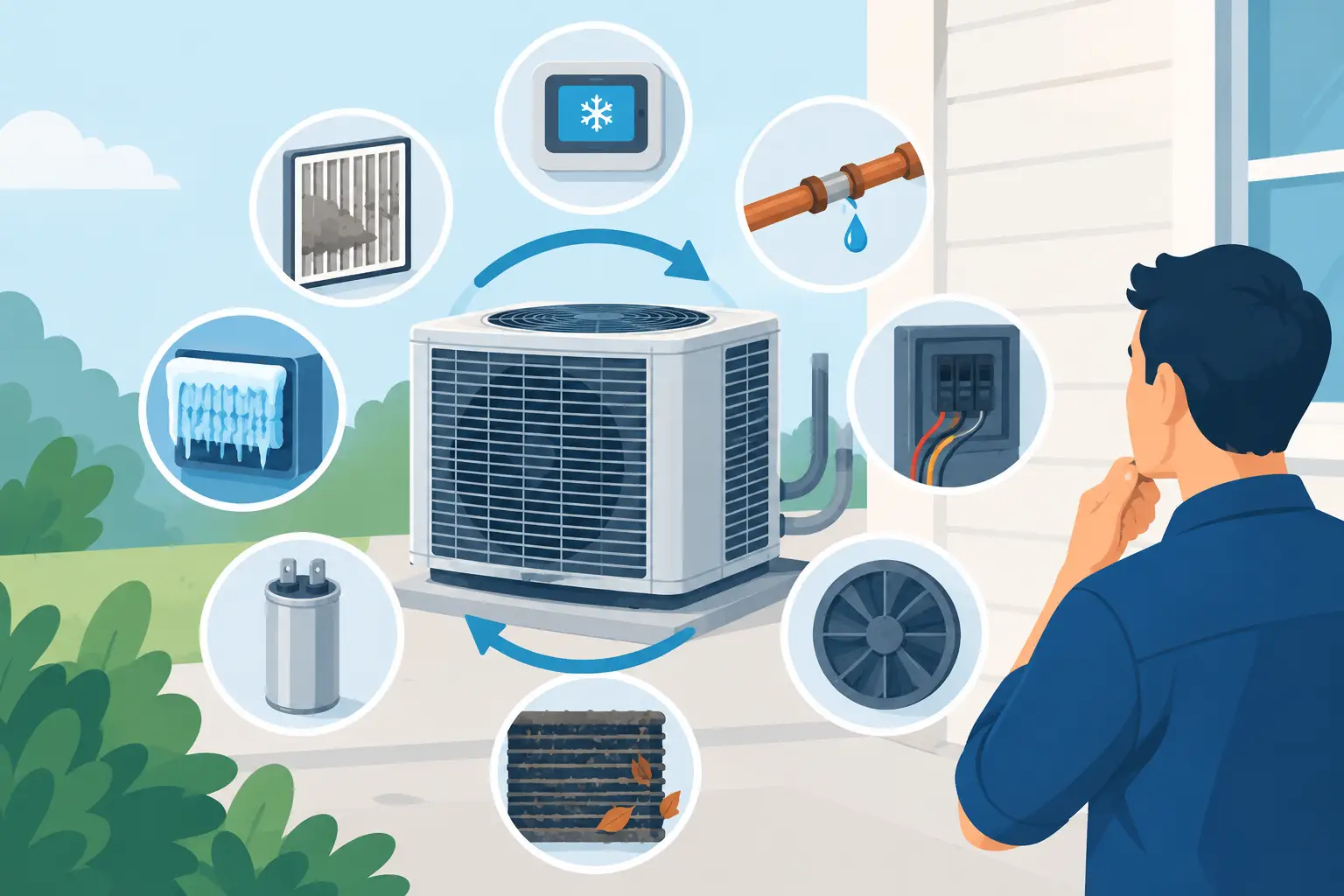
When your air conditioner starts, runs for only a few minutes, shuts off, and then starts again soon after, it is not doing its job efficiently. Homeowners often ask, what causes AC short cycling, especially when the house still feels warm and the utility bill begins climbing. Short cycling can range from a simple maintenance issue to a problem that puts real strain on the compressor, so it is worth addressing early.
A properly sized and functioning AC system should run long enough to remove heat and humidity from your home. During a hot Baltimore-area afternoon, that may mean a steady cooling cycle rather than frequent on-and-off bursts. If your system is cycling every few minutes, the cause needs a closer look.
What Is AC Short Cycling?
Short cycling means the air conditioner shuts off before completing a normal cooling cycle, then turns back on again too quickly. The exact run time varies with outdoor temperatures, insulation, thermostat settings, and system size. Still, a unit that repeatedly runs for two to five minutes at a time is not operating normally.
This pattern is more than an annoyance. Each startup requires a significant amount of electricity, and repeated starts add wear to electrical components and the compressor. Your home may also feel sticky because the system does not run long enough to remove enough moisture from the air.
What Causes AC Short Cycling?
Several issues can cause this problem, and the right repair depends on what is making the system shut down early. A licensed HVAC technician should test the equipment instead of guessing, since a symptom that looks simple can have more than one possible cause.
A dirty air filter restricts airflow
A clogged filter is one of the most common and most preventable causes of short cycling. When airflow is restricted, the indoor evaporator coil can become too cold and freeze. The system may then shut down on a safety control or struggle to move enough conditioned air through the home.
Check your filter first, particularly during periods of heavy summer use. Most standard filters should be checked monthly and replaced as needed. Homes with pets, construction dust, or high occupancy may need more frequent changes. Replacing a dirty filter can help, but it will not correct an already frozen coil immediately. Turn the cooling system off and let it thaw before having the cause evaluated.
The thermostat is in the wrong location or has a problem
Your thermostat decides when the air conditioner starts and stops. If it is installed near a sunny window, kitchen appliances, a supply vent, or another heat source, it may sense a temperature that does not reflect the rest of the house. It can signal the AC to shut off before distant rooms have cooled.
A malfunctioning thermostat, loose wiring, weak batteries, or incorrect settings can create similar behavior. Before assuming the AC itself has failed, make sure the thermostat is set to cool and the temperature setting is below the current room temperature. If the display is unresponsive or readings seem inaccurate, a technician can check the control wiring and calibration.
Low refrigerant may be triggering a safety shutdown
Refrigerant carries heat out of your home. Your AC does not use up refrigerant under normal conditions, so low refrigerant usually points to a leak. When the charge is low, the system may freeze at the indoor coil, lose cooling capacity, or trip pressure safety controls.
You may notice weak airflow, warm air from vents, ice on the refrigerant line, or a hissing sound near the equipment. Adding refrigerant without locating and repairing the leak is only a temporary fix. A proper service call includes checking pressures, identifying the source of the leak when possible, repairing it, and charging the system correctly.
The outdoor condenser is dirty or blocked
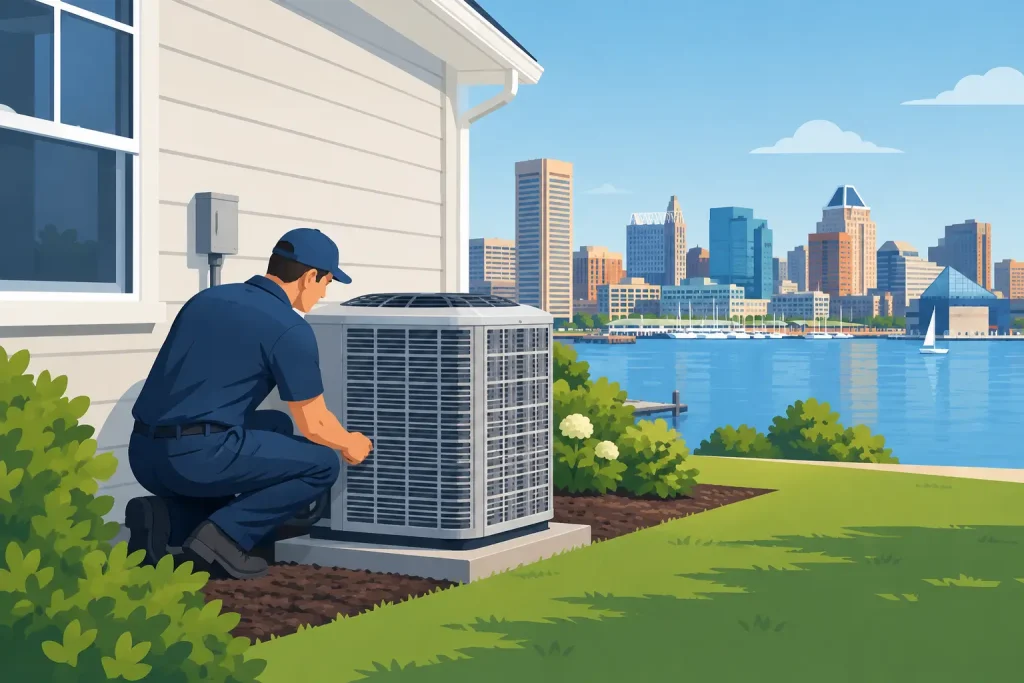
The outdoor unit needs space to release heat. Leaves, grass clippings, dirt, and cottonwood buildup can block the condenser coil and force the system to work harder. Shrubs planted too close to the unit or storage items placed around it can also reduce airflow.
As heat builds up in the outdoor unit, the AC may overheat and shut down on a safety control. Keep at least two feet of clear space around the condenser and gently remove loose debris from the area. Avoid spraying high-pressure water directly into the coil fins, which can bend easily. A professional maintenance visit can clean the coil safely and inspect the fan, capacitor, and electrical connections.
Electrical components are failing
Air conditioners rely on capacitors, contactors, relays, wiring, and circuit boards to start and operate correctly. When a capacitor weakens or a contactor begins sticking, the system can start inconsistently, shut off unexpectedly, or make clicking and buzzing sounds.
Electrical issues are not a DIY repair. The unit may hold a dangerous electrical charge even after power is turned off. If the breaker trips, the outdoor unit hums but does not start, or you smell burning near the equipment, turn the system off and schedule service promptly.
A frozen evaporator coil is stopping the cycle
A frozen coil is usually a result of another issue, such as dirty filters, blocked vents, low refrigerant, or a failing blower motor. Once ice forms, the coil cannot absorb heat properly. The system may shut down early or continue running without cooling effectively.
Do not keep restarting an air conditioner with a frozen coil. Set the thermostat to off, switch the fan setting to on if it is safe to do so, and allow the ice to melt. Water may drain from the indoor unit as it thaws. A technician should determine why the coil froze before the system is put back into regular use.
The AC system is oversized for the space
An oversized AC can cool the thermostat area very quickly, then turn off before it conditions the rest of the home. This is especially common when a replacement unit was selected based only on the size of the old equipment instead of a load calculation.
Bigger is not always better. A properly sized unit runs longer, more even cycles that improve comfort and humidity control. Oversizing is a design issue rather than a quick repair, but thermostat adjustments, ductwork improvements, or zoning solutions may help in some situations. An HVAC professional can explain the practical options after evaluating the home.
A blocked condensate drain or safety switch is shutting it down
Your AC removes humidity as it cools, and that moisture exits through a condensate drain line. If the line clogs, water can back up into the drain pan. Many systems have a float switch that shuts off cooling to prevent water damage.
This safety feature is doing its job, but the drainage issue still needs attention. Signs include water around the indoor unit, a full drain pan, musty odors, or an AC that stops without a clear thermostat reason. Clearing the drain and checking the pump, where present, can prevent another shutdown and help protect ceilings, walls, and flooring.
When Short Cycling Needs Immediate Service
A brief change in cycling can happen on a mild day when the home reaches the set temperature quickly. Persistent short cycling, however, should not be ignored. Turn the system off and arrange professional service if you see ice, smell something burning, hear loud electrical noises, find water near the indoor equipment, or have a breaker that keeps tripping.
You should also call if the AC is running in short bursts while rooms remain warm. Continuing to operate it can turn a smaller repair into compressor damage, which is one of the more costly air conditioning repairs.
Can Maintenance Prevent Short Cycling?
Regular maintenance cannot prevent every failure, but it catches many of the conditions that lead to short cycling. During an AC tune-up, a technician can inspect the filter and airflow, clean the coils, check refrigerant performance, test electrical parts, clear the condensate drain, and confirm that the thermostat is communicating correctly.
For landlords and property managers, preventive maintenance is particularly helpful before a tenant reports a no-cooling issue during a heat wave. For homeowners, it provides a clearer picture of whether an aging system needs a repair now or should be planned for replacement before it becomes an emergency.
If your AC is starting and stopping too often, ABC Cooling & Heating can diagnose the cause, explain the repair in clear terms, and help restore dependable cooling. Acting early gives your system its best chance to keep your home comfortable through the hottest Maryland days.