A furnace rarely chooses a convenient time to show its age. It may start with a room that never feels warm, a new rattling sound, or a repair call during the first real cold stretch of the season. If you are wondering how long do furnaces last, the short answer is that most well-maintained furnaces provide dependable service for 15 to 20 years. The more useful answer depends on the equipment, how it has been maintained, and what its repair history is telling you now.
For homeowners, landlords, and property managers, knowing where a furnace stands in its lifespan makes it easier to budget, avoid an emergency replacement, and keep occupants comfortable through a Maryland winter.
How Long Do Furnaces Last on Average?
A typical gas furnace lasts about 15 to 20 years. Some systems run longer, particularly when they receive annual maintenance and are properly sized for the building. Electric furnaces can often last 20 to 30 years because they have fewer combustion-related components, though they may cost more to operate depending on local electric rates and the home’s heating needs.
Age alone does not make a furnace a replacement candidate. A 17-year-old unit that heats evenly, operates safely, and needs only routine service may still have useful life left. On the other hand, a 10-year-old furnace that has been neglected, installed incorrectly, or forced to run constantly can wear out much sooner.
For Baltimore-area properties, winter weather, older ductwork, basement moisture, and inconsistent filter changes can all affect furnace performance. The goal is not to keep an aging system running at any cost. It is to make a clear decision based on safety, reliability, comfort, and the likely cost of the next repair.
What Affects Furnace Lifespan?
Maintenance has the biggest influence on how long a furnace lasts. During a professional tune-up, a technician can clean components, inspect the heat exchanger, test safety controls, check electrical connections, measure system performance, and identify smaller issues before they become a no-heat call.
Airflow matters just as much. A clogged filter makes the blower work harder and can cause the furnace to overheat or cycle off prematurely. Restricted vents, undersized return ducts, dirty blower components, and closed interior doors can also put unnecessary strain on the system. Most homes benefit from checking the filter monthly during heating season and replacing it as needed based on the filter type, household conditions, and manufacturer guidance.
Installation quality is another major factor. A furnace that is too large may heat the home quickly but cycle on and off too often. That short cycling creates more wear on ignition, blower, and control components while leaving some rooms uncomfortable. A furnace that is too small may run for long periods without keeping up on colder days. Proper sizing and ductwork evaluation protect both comfort and equipment life.
Usage also varies from property to property. A furnace in a drafty older home, a busy commercial space, or a rental property with frequent thermostat changes may accumulate more operating hours than the same model in a tightly sealed home. There is no calendar date that applies to every furnace.
Signs Your Furnace May Be Nearing Replacement
A furnace does not need to fail completely before replacement becomes the practical choice. As systems age, repairs may become more frequent, efficiency may decline, and comfort problems may become harder to correct. Watch for these common signs:
- Repair calls are becoming regular instead of occasional, especially for major parts such as the blower motor, control board, inducer motor, or heat exchanger.
- Heating bills are climbing even though your usage habits have not changed and utility rates are stable.
- The furnace runs loudly, cycles repeatedly, or struggles to maintain the temperature set on the thermostat.
- Some rooms are consistently too cold while others overheat, after basic airflow and thermostat issues have been ruled out.
- The system is 15 years old or more and has a costly repair ahead.
One sign by itself does not always mean replacement is necessary. Uneven heating can come from duct leaks, insulation gaps, thermostat placement, or airflow restrictions. A noisy system may need a simple adjustment or a worn component replaced. A qualified diagnosis matters because it separates a fixable issue from a furnace that is becoming unreliable.
Repair or Replace: How to Make the Call
When a furnace stops working, repair is often the right first step. This is especially true for a newer system with a clear, limited issue. Replacing a flame sensor, capacitor, pressure switch, thermostat, or igniter can restore safe operation without the expense of installing new equipment.
Replacement becomes more reasonable when the furnace is near the end of its expected lifespan and needs an expensive repair. Many homeowners use the 50 percent guideline: if a repair costs roughly half as much as a replacement and the furnace is already old, it is worth comparing replacement options. It is a useful starting point, not a hard rule. A repair may still make sense if the system has otherwise been dependable, while a lower-cost repair may not be worthwhile if breakdowns keep returning.
Safety changes the conversation. A cracked heat exchanger, combustion problems, repeated safety shutdowns, or concerns about carbon monoxide should be addressed immediately. Do not continue operating a furnace that has been identified as unsafe. Keep working carbon monoxide detectors near sleeping areas and on each level of the home, and contact a licensed HVAC professional if you notice unusual odors, soot, yellow burner flames, or physical symptoms that may be associated with carbon monoxide exposure.
A replacement estimate should account for more than the furnace cabinet. Proper recommendations consider the home or building size, insulation, duct condition, fuel type, venting, thermostat controls, and whether the existing system has caused comfort problems. A cheaper unit that is poorly matched to the property can create years of high utility bills and uneven temperatures.
How to Help Your Furnace Last Longer
The most effective habit is scheduling furnace maintenance before the heating season begins. A preseason visit gives you time to address worn parts before cold weather puts the system under full load. It also helps verify that burners, ignition, venting, drainage, and safety controls are operating as they should.
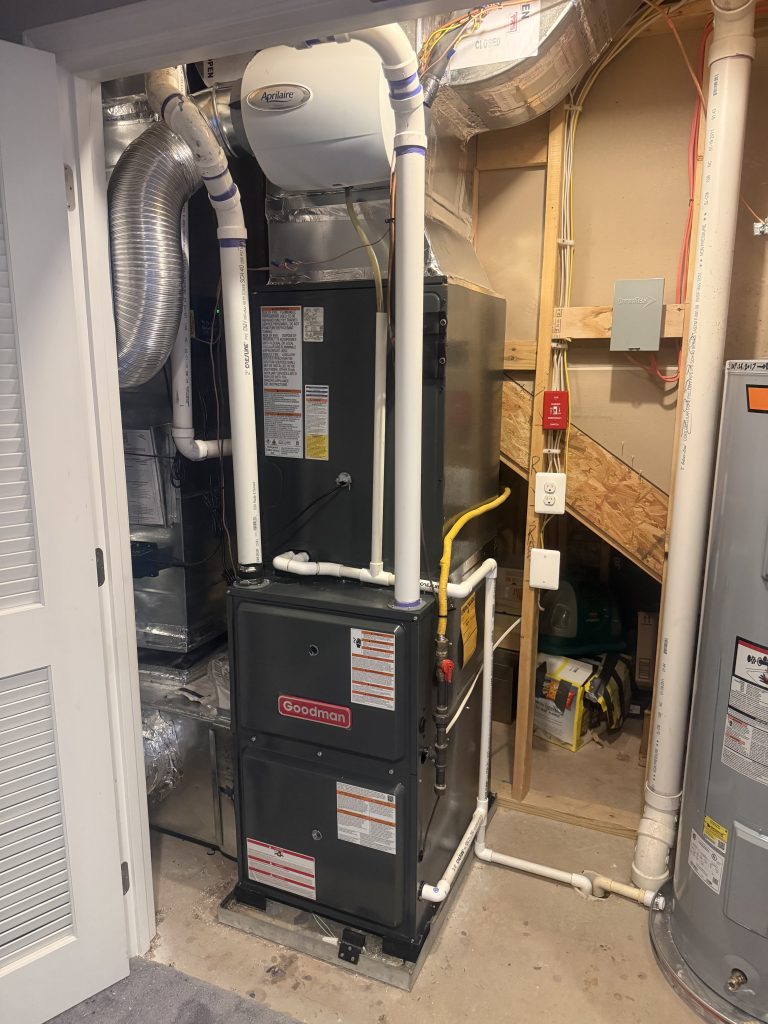
Between visits, keep the area around the furnace clear. Storage boxes, paint cans, cleaning products, and clutter can restrict access for service and create avoidable safety concerns. Make sure supply registers and return grilles are open and unobstructed, and avoid repeatedly changing thermostat settings by large amounts. Steady, reasonable settings reduce unnecessary cycling.
If your property has a high-efficiency furnace with a condensate drain, pay attention to water around the unit or signs of a drain issue. If it uses PVC vent pipes, keep outside terminations free of leaves, snow, and other obstructions. These are small checks, but they can prevent a preventable shutdown.
For rental homes and small commercial properties, a documented maintenance schedule is particularly valuable. It helps managers plan ahead, gives tenants a clear point of contact when comfort issues arise, and reduces the chance of discovering a failing furnace only after a cold-weather complaint.
When to Schedule a Furnace Assessment
You do not have to wait for a breakdown to ask about your furnace’s remaining life. An assessment is useful when your system is approaching 15 years old, you are planning a renovation, you have recently bought a property with unknown equipment history, or your heating costs and comfort have changed.
ABC Cooling & Heating can inspect the system, explain what is working and what deserves attention, and provide straightforward repair or replacement recommendations. The right answer may be a targeted repair, a maintenance visit, or a planned replacement before an aging furnace leaves you without heat.
A dependable furnace should not be something you have to think about every morning. Give it routine care, take new warning signs seriously, and get a professional opinion early enough to make a decision on your schedule rather than during the next cold snap.