A heat pump can replace the separate jobs of your air conditioner and heating system with one efficient piece of equipment. For homeowners considering heat pump installation Essex services, the real question is not simply which model to buy. It is whether the system is sized, installed, and set up correctly for your home, comfort preferences, and budget.
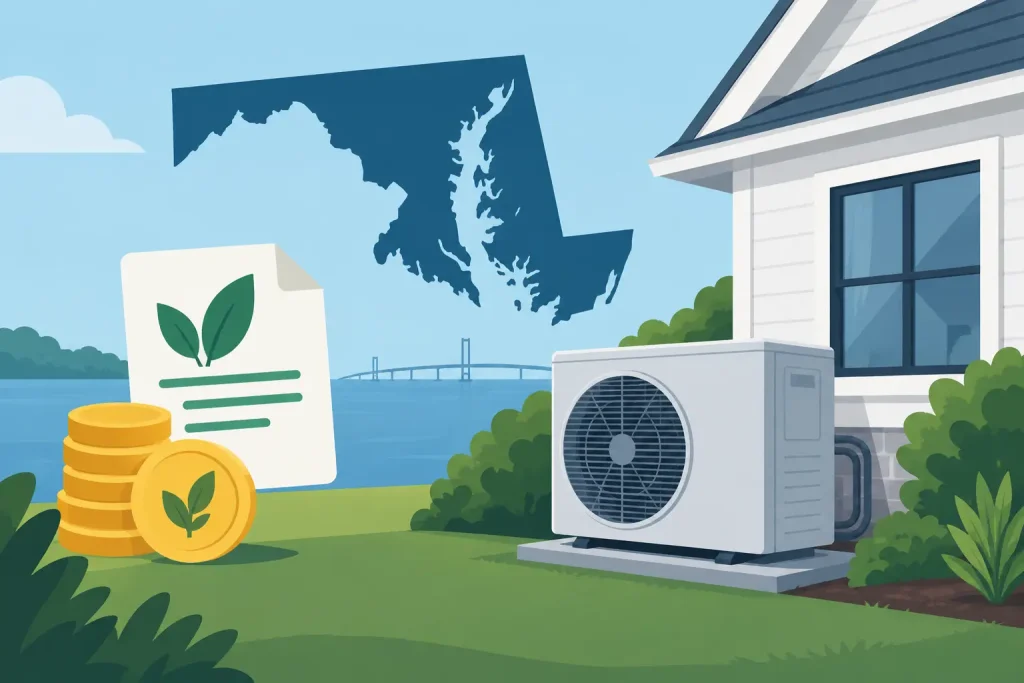
A quality installation affects how evenly your rooms heat and cool, how much energy the system uses, and how long the equipment lasts. The right contractor will take time to assess the home before recommending a solution, explain the options in plain language, and leave you with a system you can count on through Maryland’s humid summers and cold winter days.
Why a Heat Pump May Be the Right Choice
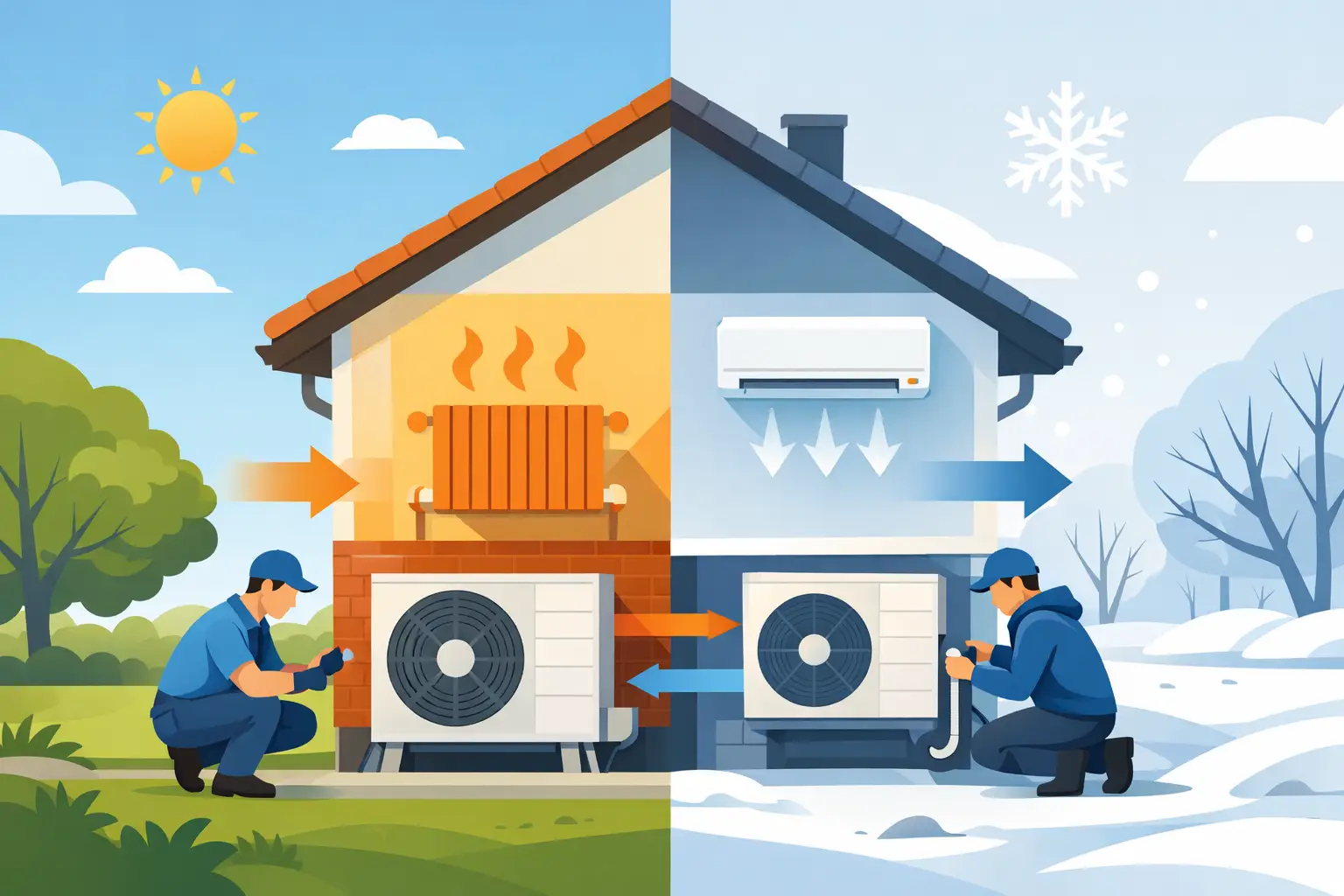
Heat pumps move heat rather than creating it through combustion. In cooling mode, they pull heat from inside your home and transfer it outdoors, much like a central air conditioner. In heating mode, the process reverses, drawing available heat from outdoor air and bringing it inside.
That approach can make heat pumps an efficient option for homes in Essex and nearby Baltimore County communities. Modern systems are designed to provide reliable heating during much cooler weather than older heat pump models could handle. Many homeowners appreciate having one system for year-round comfort, rather than maintaining separate air conditioning and heating equipment.
A heat pump may be a strong fit if your central AC is aging, your current electric heat is expensive to operate, or you are replacing both an air conditioner and furnace. It can also work well for additions, converted garages, and spaces where extending existing ductwork is difficult. Ductless heat pumps give homeowners another option for targeted heating and cooling without major construction.
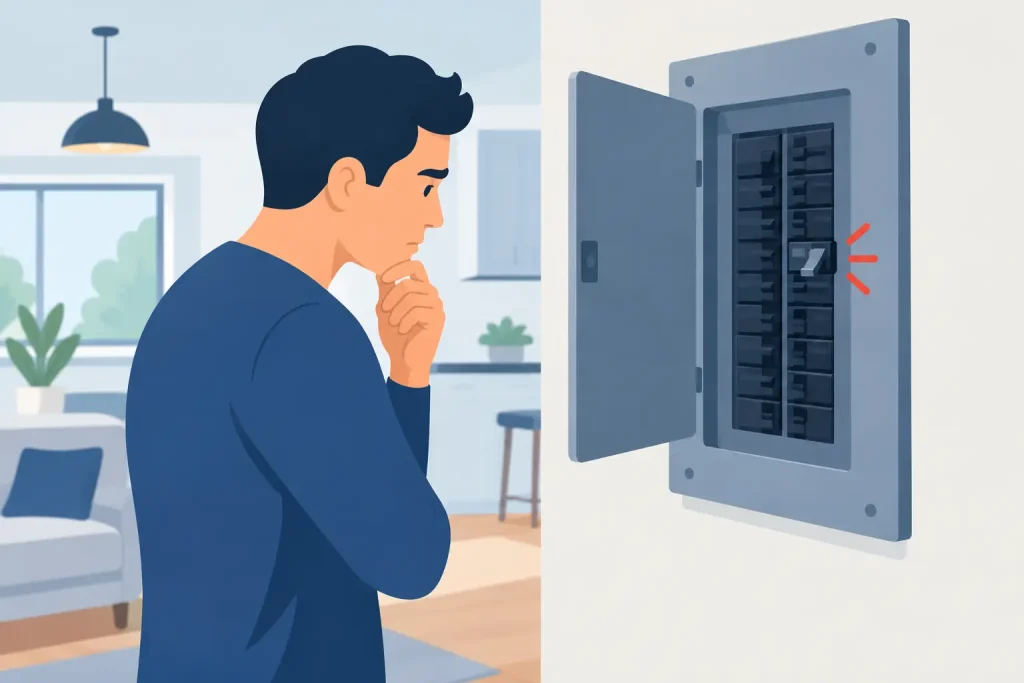
Still, a heat pump is not automatically the best choice for every property. A home with an efficient, newer furnace may benefit from a dual-fuel setup, where the heat pump handles mild conditions and the furnace takes over in more extreme cold. Older homes with poor insulation, undersized electrical service, or serious duct leaks may need improvements before a new system can perform as it should.
What Heat Pump Installation in Essex Should Include
A dependable installation starts before the equipment arrives. Choosing a system based only on the square footage listed in a real estate record can lead to short cycling, uneven temperatures, higher utility bills, and unnecessary wear. A professional assessment looks at the home as a complete comfort system.
A Proper Home and Load Assessment
Your technician should consider the home’s size, layout, insulation, windows, ceiling height, sun exposure, and existing ductwork. They should also ask practical questions: Are certain bedrooms always too warm? Does the upstairs struggle in summer? Are you more concerned about low operating costs, stronger cold-weather performance, or a lower initial price?
This assessment helps determine the correct system capacity. Bigger is not always better. An oversized unit can turn on and off too often, removing less humidity during cooling season and creating temperature swings. An undersized unit can run constantly and have trouble keeping up when weather is severe.
Clear Equipment Recommendations
Heat pumps vary in efficiency, performance, sound levels, features, and price. Some systems offer variable-speed operation, which can make smaller adjustments over longer cycles for steadier temperatures and quieter operation. Others provide a more straightforward, budget-conscious solution.
The best choice depends on the home and the owner’s priorities. A licensed technician should explain the trade-offs without pushing features you do not need. Ask how the proposed system will perform in winter, whether it requires backup heat, what thermostat is included, and whether your existing electrical panel and ductwork are suitable.
Careful Installation and System Setup
Once the right equipment is selected, installation quality becomes the deciding factor. The outdoor unit needs a stable, level location with proper clearance for airflow and future service. Refrigerant lines must be correctly sized, protected, pressure-tested, and charged according to manufacturer specifications. Electrical connections, condensate drainage, and thermostat wiring all need close attention.
For ducted systems, technicians should inspect the supply and return ducts. A high-efficiency heat pump cannot overcome major air leaks, damaged duct sections, or restricted airflow. In some homes, duct repairs or modifications are the difference between a system that merely runs and one that keeps every occupied room comfortable.
Before the job is complete, the installer should test heating and cooling operation, confirm airflow, check thermostat controls, and explain how to operate the system. You should not be left guessing what a setting means or when to change the filter.
Planning for Cost Without Cutting Corners
The cost of a heat pump installation depends on the equipment type, capacity, efficiency rating, ductwork condition, electrical needs, labor, and whether the project includes removal of older equipment. A simple replacement using existing, compatible connections will generally cost less than a full conversion or an installation requiring duct changes and electrical upgrades.
The lowest quote is not always the best value. It may leave out required materials, permit work, startup testing, or repairs needed to support the new equipment. When comparing estimates, make sure each proposal identifies the equipment being installed, scope of work, warranty information, and any additional work that may be needed.
It is also worth looking beyond the installation price. A more efficient system may cost more upfront but reduce energy use over time. On the other hand, paying for the highest available efficiency level may not make sense for every home. The right recommendation should be based on realistic use, not a one-size-fits-all sales pitch.
Signs It Is Time to Replace Your Current System
Heat pump replacement is often easier to plan when you know what to watch for. Frequent repairs, rising electric bills, inconsistent temperatures, loud operation, and poor humidity control can all indicate that an older system is losing efficiency. If your equipment uses outdated refrigerant or is nearing the end of its expected service life, replacement may be more practical than continuing to invest in repairs.
A system that still runs is not necessarily operating well. If it takes a long time to reach the thermostat setting, leaves rooms uncomfortable, or needs repeated service calls, a professional evaluation can clarify whether repair or replacement makes better financial sense.
For landlords and property managers, planning a replacement before a full failure can prevent an emergency disruption for tenants. It also allows time to compare options and schedule the work at a convenient time rather than making a rushed decision during a heat wave or cold snap.
Protecting Your New Heat Pump After Installation
A new heat pump needs routine attention to maintain its performance. Replace or clean filters on schedule, keep leaves and debris away from the outdoor unit, and avoid blocking supply and return vents inside the home. These simple steps support proper airflow and help the system operate efficiently.
Professional maintenance is equally valuable. Seasonal service allows a technician to inspect electrical components, refrigerant performance, coils, drainage, and moving parts before small issues become major repairs. Heat pumps work throughout the year, so they benefit from consistent care rather than being ignored between seasons.
ABC Cooling & Heating helps homeowners and property managers make informed comfort decisions with clear recommendations, professional workmanship, and responsive service. Whether you are replacing an aging system or considering a heat pump for the first time, the goal should be the same: dependable heating and cooling that fits the building, the budget, and the people inside it.
Before scheduling your installation, write down the comfort problems you want solved and bring them to the estimate. Those details give your technician the information needed to recommend a heat pump system that feels right from the first season onward.