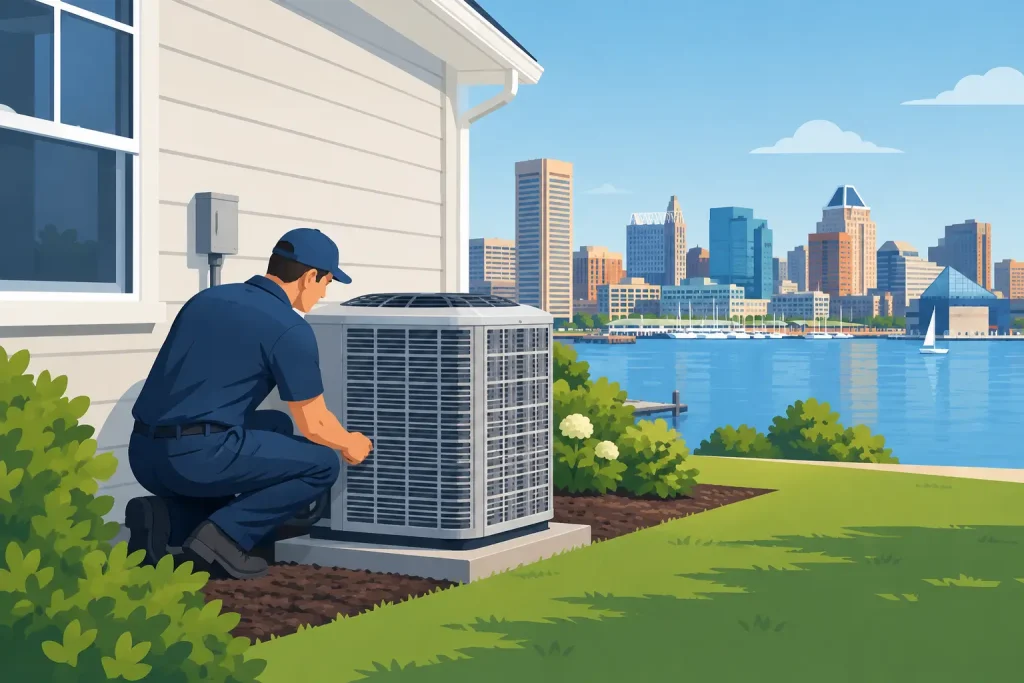
A Maryland heat wave is a bad time to learn that your air conditioner has been working harder than it should. So, does AC maintenance prevent breakdowns? It can prevent many of the most common causes of unexpected AC failure, but it cannot make an aging system indestructible. The real value of maintenance is finding small problems before they turn into a no-cooling call on the hottest day of the year.
Does AC Maintenance Prevent Breakdowns?
Regular AC maintenance significantly lowers the risk of a breakdown because it addresses the wear, dirt buildup, loose connections, and drainage issues that place strain on the system. During a professional tune-up, a technician checks how the equipment is operating as a whole, not just whether cool air is coming from the vents.
That distinction matters. An AC can still cool your home while a capacitor is weakening, a drain line is starting to clog, or airflow is restricted by a dirty filter or coil. Left alone, these issues can force the system to run longer, raise energy use, and eventually lead to a shutdown.
Maintenance is not a guarantee against every repair. Parts can fail without much warning, electrical damage can occur during storms, and older equipment may reach the end of its useful life despite excellent care. Still, a maintained system is far less likely to fail from a preventable issue than one that has been ignored for several seasons.
What Causes Most Air Conditioner Breakdowns?
Most AC failures are not caused by one dramatic event. They often develop gradually as the system operates through hot, humid weather. Restricted airflow is one of the most common problems. A clogged filter, blocked return vent, dirty indoor coil, or neglected outdoor unit makes the equipment work harder to move heat out of the building.
Drainage is another frequent concern in Baltimore-area summers. Your air conditioner removes humidity as it cools. That moisture travels through a condensate drain line, where algae, debris, or buildup can create a clog. Depending on the system, a clogged drain can cause water damage, activate a safety switch, or shut the AC down.
Electrical components also wear over time. Capacitors, contactors, wiring connections, and other parts handle repeated starts and stops throughout the cooling season. A technician can often identify signs of heat damage, corrosion, or declining performance before the component fails completely.
Low refrigerant is often misunderstood. Refrigerant is not fuel that an AC simply uses up. If the level is low, there may be a leak or another system issue that needs proper diagnosis. Continuing to run an undercharged system can reduce cooling performance and place added stress on the compressor, one of the most expensive components to replace.
What a Professional AC Tune-Up Can Catch
A quality maintenance visit is more than a quick look at the thermostat. It gives a licensed HVAC technician a chance to inspect the system’s condition, test critical functions, and correct minor concerns while the repair is still manageable.
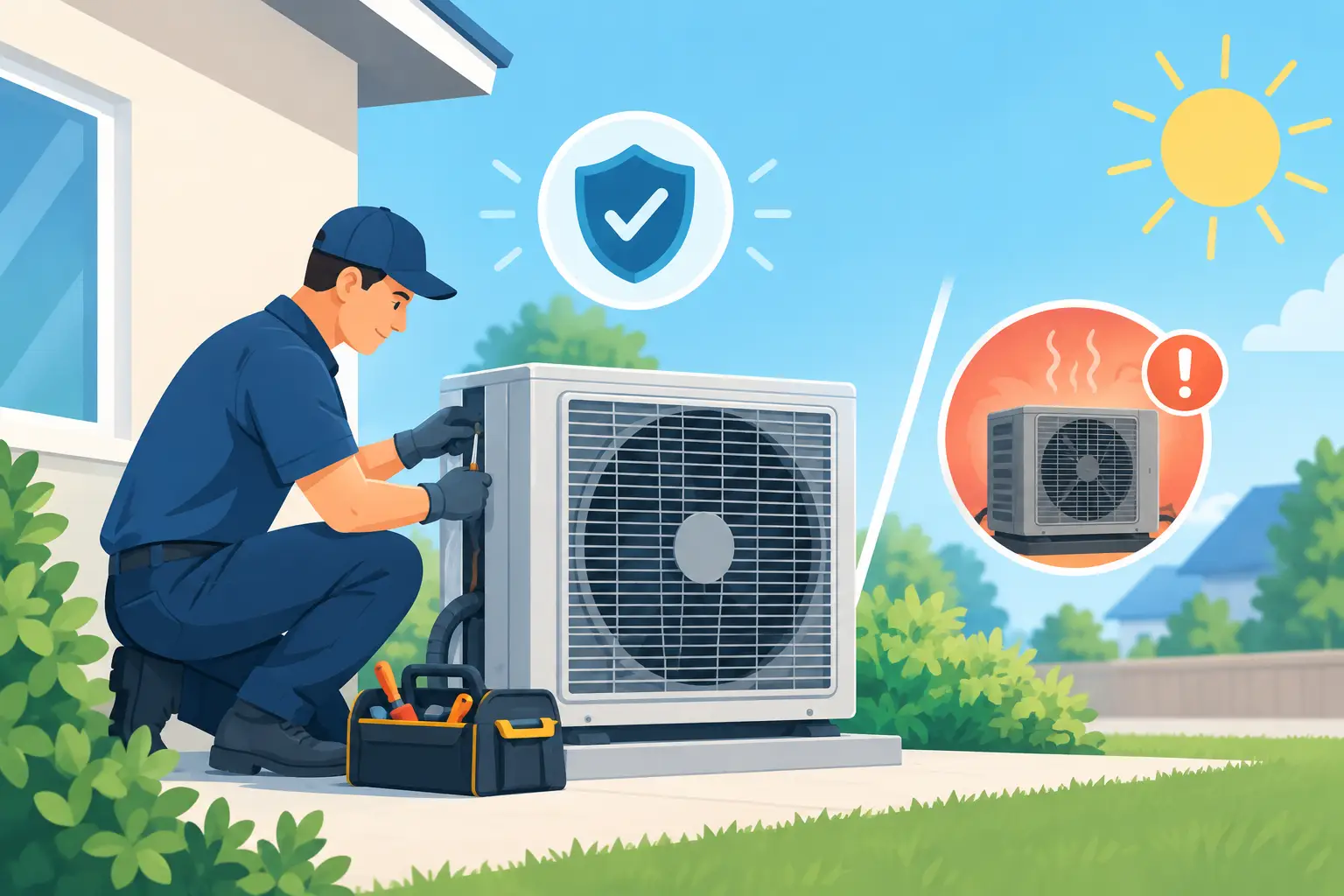
The exact checklist varies by equipment type and condition, but maintenance commonly includes checking electrical components, thermostat operation, airflow, refrigerant performance, condensate drainage, and the condition of accessible coils and connections. The technician may also inspect the outdoor condenser for leaves, grass clippings, and other debris that can trap heat around the unit.
Cleaning and testing matter because AC problems are connected. Poor airflow can contribute to coil freezing. A frozen coil can affect refrigerant pressures. A drainage issue can then create leaks or stop the system through a safety switch. Catching the first problem is usually faster and less expensive than waiting for the entire chain of issues to develop.
For homeowners, maintenance also creates a clearer picture of what to expect from the system. If a part is showing age or the unit is struggling to maintain proper performance, you can make a repair or replacement decision on your schedule instead of during an emergency.
What Maintenance Cannot Prevent
Honest HVAC service means being clear about the limits. Even a well-maintained AC can break down because mechanical equipment has a lifespan. A major electrical surge, storm damage, pest-related wiring damage, or a sudden compressor failure may not be predictable during a routine visit.
Maintenance also cannot reverse years of wear on an older unit. If your system needs frequent repairs, has a major refrigerant leak, uses an outdated refrigerant, or cannot keep up with normal summer temperatures, replacement may be the more practical long-term choice. A dependable technician should explain the condition of your equipment clearly, including whether repair is reasonable or whether a new system deserves consideration.
The goal is not to promise that you will never need AC repair. The goal is to reduce avoidable failures, improve reliability, and avoid being caught without cooling when your home or business needs it most.
How Often Should You Schedule AC Maintenance?
For most central air conditioning systems and heat pumps, annual professional maintenance is a smart baseline. Schedule it in spring when possible, before the system is under daily demand. Early service gives you time to address concerns before summer appointments become harder to schedule.
Properties with high cooling demands may benefit from closer attention. Landlords, property managers, and small commercial operators should consider how often the system runs, how many occupants use the space, and whether dust, pets, or outdoor debris create extra strain. A system that serves a busy office, rental property, or retail space can accumulate wear faster than one in a lightly used home.
Homeowners can support professional maintenance throughout the season by replacing filters as recommended for their household, keeping vents open and unobstructed, and leaving clear space around the outdoor unit. These steps do not replace a tune-up, but they protect airflow between visits.
Warning Signs to Address Before a Breakdown
Do not wait for the AC to stop completely before calling for service. Early attention can prevent a smaller repair from becoming an urgent problem. Watch for these warning signs:
- Warm air, weak airflow, or rooms that no longer cool evenly
- New rattling, buzzing, grinding, or repeated clicking sounds
- Water around the indoor unit or unusually high indoor humidity
- Short cycling, rising electric bills, or a system that runs constantly
These symptoms do not always mean the same thing. A dirty filter can restrict airflow, while a failing capacitor may affect starting and cycling. That is why a professional diagnosis is more useful than guessing based on one symptom alone.
Maintenance Helps Protect Comfort and Budget
Preventive service is often easier to budget for than an emergency repair. It can also help protect efficiency. When coils are dirty, airflow is poor, or electrical components are struggling, the system may run longer to deliver the same comfort. That extra runtime can show up on monthly utility bills even before the equipment fails.
For property owners, scheduled maintenance can also reduce tenant complaints and last-minute scheduling pressure. For families, it offers more confidence that the AC has been checked before the first stretch of 90-degree weather arrives. ABC Cooling & Heating provides practical maintenance and repair support for homeowners and property managers who want clear answers and dependable service.
If your AC has not been inspected recently, schedule maintenance before it has to prove it needs attention. A timely checkup may not prevent every possible failure, but it gives your system its best chance to keep your space cool, dry, and comfortable when summer is at its hardest.