A heating replacement is not a decision most property owners want to make during a Baltimore-area cold snap. But when an older system breaks down, the question often comes up quickly: boiler vs furnace heating, which one makes more sense for your home or building? Both can deliver dependable winter comfort, but they heat spaces in very different ways. The best choice depends on your existing setup, comfort priorities, budget, building layout, and long-term maintenance needs.
Boiler vs Furnace Heating: The Core Difference
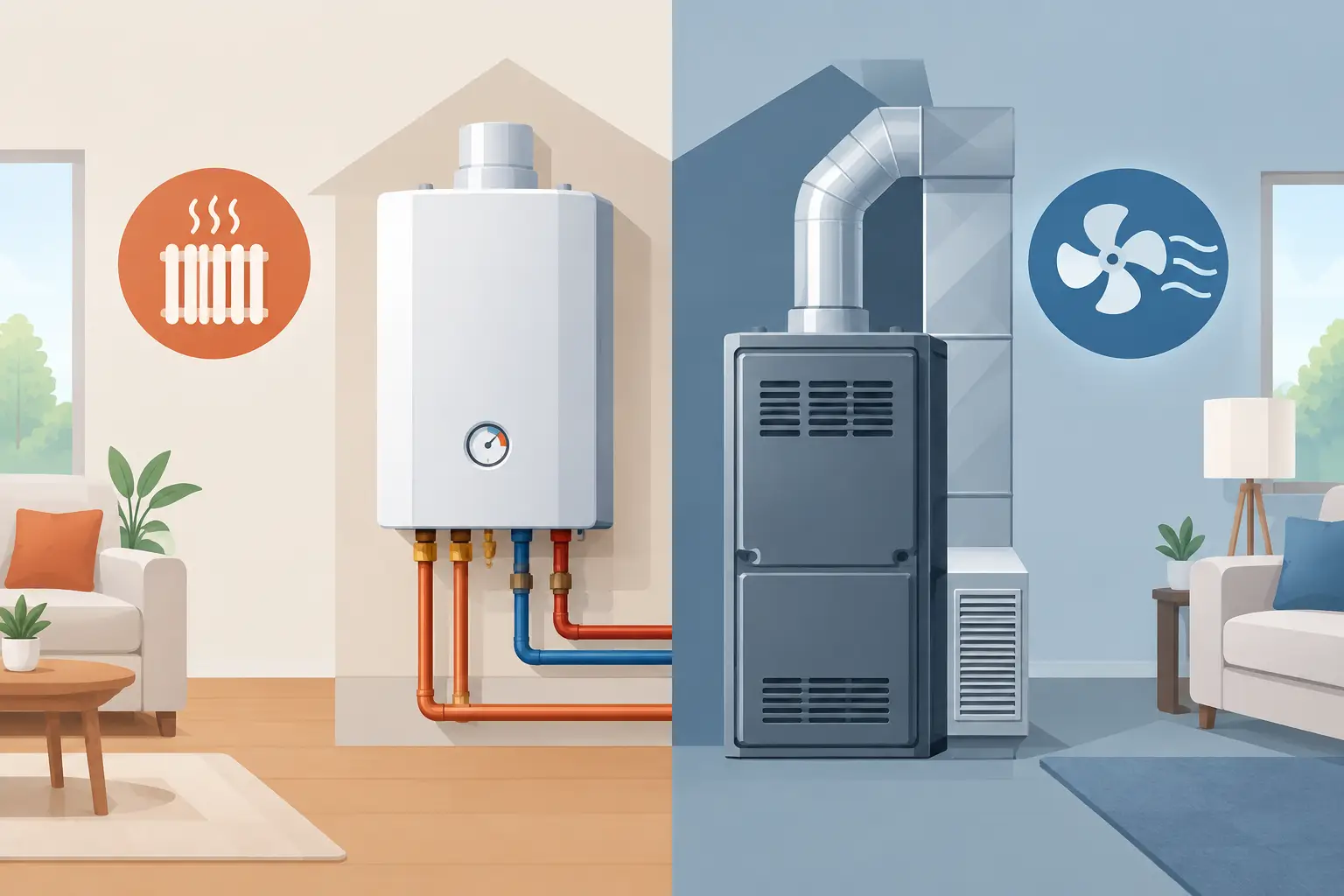
A furnace heats air and moves it through a home using ductwork. Fuel-powered furnaces burn natural gas, propane, or oil to create heat, while electric furnaces use electric resistance heating. A blower pushes the warmed air through supply vents, then pulls cooler indoor air back through return vents to repeat the cycle.
A boiler heats water instead of air. That hot water travels through pipes to radiators, baseboard heaters, or radiant floor tubing. In a steam boiler system, the boiler creates steam that moves through radiators and releases heat into the room. Most newer residential boiler systems use hot water rather than steam.
This distinction affects almost every part of ownership, from how heat feels in a room to the equipment required for installation. A furnace needs properly sized ducts, vents, a blower, filters, and airflow controls. A boiler relies on piping, circulator pumps, radiators or baseboards, and pressure controls.
How Each System Feels During a Maryland Winter
Many homeowners notice the difference between forced-air heat and radiant heat right away. Furnaces usually warm a room quickly because heated air begins circulating within minutes. That fast response can be especially useful when you lower the thermostat overnight or return to an empty property after a weekend away.
Boiler heat tends to feel steadier and quieter. Radiators, baseboards, and radiant floors release heat gradually, warming surfaces and people in the room instead of primarily heating the air. There is no large blower turning on, no air rushing from registers, and generally less temperature swing between heating cycles.
Neither approach is automatically more comfortable. A well-designed furnace with sealed, balanced ducts can keep a home very comfortable. A neglected boiler with failing controls or air trapped in the lines can leave rooms unevenly heated. System condition and installation quality matter as much as the type of equipment.
Air quality and humidity considerations
Because a furnace circulates air, its filter can capture dust, pollen, and other particles before air moves through the house. Higher-efficiency filtration may help households with allergy concerns, although duct cleanliness and regular filter replacement are still necessary.
Forced-air heating can also make indoor air feel dry in winter. A whole-home humidifier may be an option for some systems. Boilers do not blow air around the home, which can mean less movement of dust, but they do not provide air filtration or central air conditioning on their own. Homes with boilers often use separate cooling equipment, such as ductless mini-splits or central air with dedicated ductwork.
Installation Cost Depends on What Is Already There
For most properties, the most affordable choice is often the system that works with the building’s existing infrastructure. Replacing an aging furnace in a home with usable ductwork is usually more straightforward than converting the entire home to boiler heat. Likewise, a home already equipped with radiators and boiler piping is generally a better candidate for a boiler replacement than a full conversion to forced air.
Converting from a boiler to a furnace may require installing ducts throughout walls, ceilings, closets, attics, or crawl spaces. Converting from a furnace to a boiler can require new piping, emitters in every heated area, and repairs to finished surfaces after installation. Those labor and construction costs can outweigh the price difference between the heating units themselves.
For additions, renovations, and small commercial spaces, a mixed approach can sometimes be practical. A property may retain an existing boiler for the main structure while using a ductless heat pump or another targeted system for a new room. The right recommendation should account for the whole building, not just the equipment in the mechanical room.
Energy Efficiency Is More Than the Equipment Rating
High-efficiency boilers and furnaces can both reduce fuel use when selected and installed correctly. Gas furnaces are commonly measured by AFUE, or annual fuel utilization efficiency. Boilers use the same general efficiency measurement. Higher percentages indicate that more of the fuel becomes usable heat rather than being lost through venting.
Still, the rated efficiency on a brochure does not guarantee low utility bills. A high-efficiency furnace can underperform when ducts leak into an attic, return air is restricted, or the system is oversized. A boiler can waste energy when pipes are poorly insulated, controls are outdated, or the system short-cycles because it was not sized for the home’s heat loss.
A qualified technician should evaluate insulation levels, window condition, square footage, ceiling height, duct or pipe condition, and how different rooms are used. In older Baltimore homes, these building details often have a major effect on comfort and operating cost.
Maintenance Needs for Boilers and Furnaces
Both systems need yearly professional attention before heavy heating season. A furnace tune-up typically includes inspecting burners, checking the heat exchanger, testing safety controls, verifying airflow, examining electrical connections, and replacing or checking the air filter. Homeowners should also keep supply and return vents clear and replace filters on the schedule recommended for their system.
Boiler maintenance focuses on safe combustion, water pressure, pumps, valves, venting, controls, and signs of leaks or corrosion. Steam boilers have additional considerations, including water level controls and proper operation of vents and traps. Radiators should remain clear of furniture and heavy coverings so heat can circulate into the room.
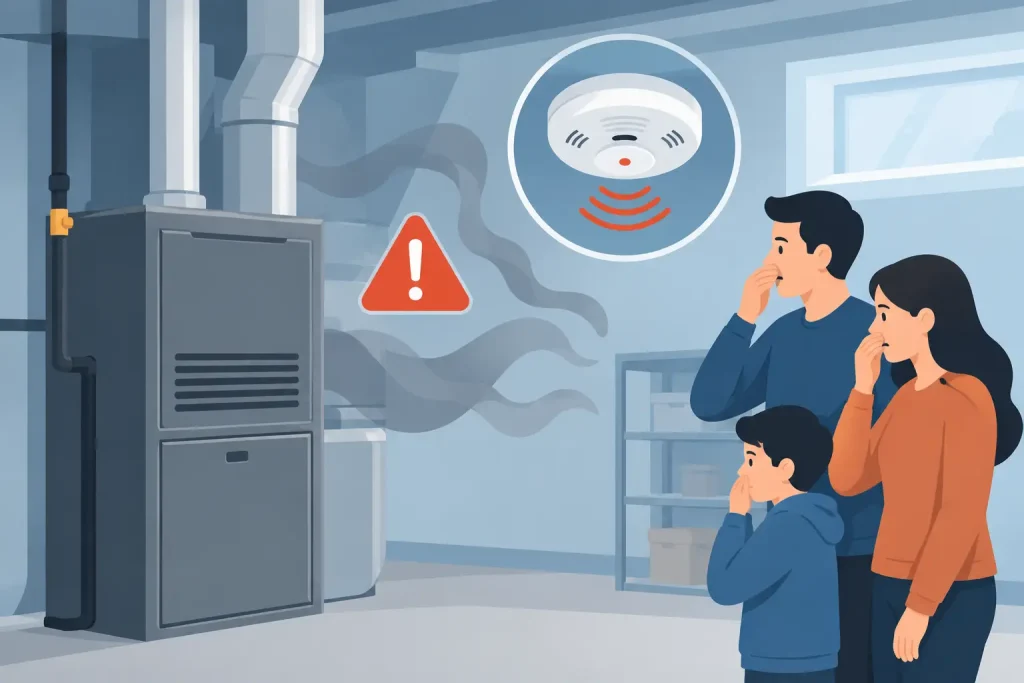
Gas-fired equipment deserves prompt attention when something changes. Call for service if you smell gas, notice soot, hear banging or whistling, see water around a boiler, experience repeated shutdowns, or find rooms no longer heating as expected. Carbon monoxide detectors should be installed and tested according to manufacturer directions, regardless of which heating system you use.
Which System Is the Better Fit for Your Property?
A furnace may be the better fit if your home already has ducts, you want one central system that can support heating and air conditioning, or you value fast temperature changes. It can also be a practical option when you need to replace a failing unit without taking on extensive construction work.
A boiler may be the stronger choice if your property already uses radiators or radiant heat, you prefer quiet and even warmth, or you want to preserve the character of an older home. Hydronic heat can be especially appealing in homes where adding full ductwork would be disruptive or expensive.
For landlords and property managers, serviceability also matters. Consider the availability and condition of existing parts, the age of the distribution system, tenant comfort complaints, and whether the property needs cooling improvements at the same time. A heating replacement can be an opportunity to address recurring cold spots, high utility use, or equipment that has become difficult to repair.
Do not size a new system by the old one
One common mistake is replacing a system with the same capacity simply because the old label shows a certain number. The original system may have been oversized, and changes such as insulation upgrades, new windows, or finished basement space can alter heating needs. Proper sizing supports better efficiency, longer equipment life, and more consistent comfort.
A professional evaluation should also identify whether the real problem is the boiler or furnace itself. Sometimes a repair to a thermostat, circulator pump, blower motor, duct connection, zone valve, or control board can restore reliable heat without immediate replacement.
Get a Recommendation Built Around Your Home
There is no universal winner in the boiler vs furnace heating decision. The right answer comes from understanding how your building is constructed, what equipment and distribution systems are already in place, and what level of comfort and operating cost you expect for the years ahead.
If your heat is unreliable, ABC Cooling & Heating can help assess the condition of your system, explain the options clearly, and recommend a practical path forward. The goal is simple: dependable heat, clear pricing, and a system that fits your property rather than a one-size-fits-all answer.