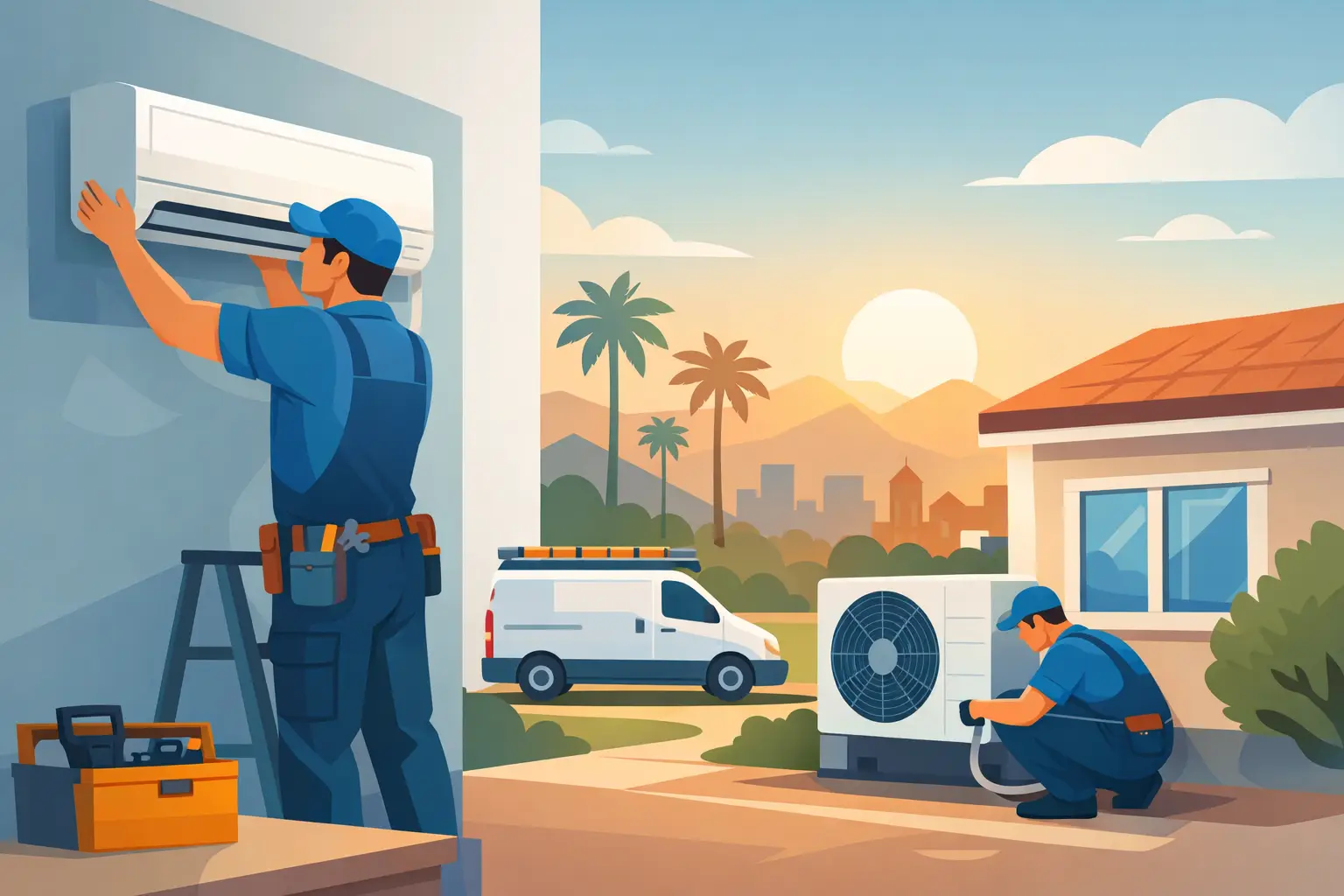
A new air conditioner should make your home quieter, more comfortable, and easier to manage when Maryland humidity settles in. But AC installation Pasadena homeowners choose is not just about replacing an old outdoor unit. The system has to fit the house, the ductwork, the electrical setup, and the people living there. A poorly matched system can leave rooms unevenly cooled, raise utility bills, and create repair problems long before it should.
At ABC Cooling & Heating, our approach is straightforward: assess the property, explain the options clearly, and install equipment that supports dependable comfort rather than a quick short-term fix.
Why Proper AC Installation in Pasadena Matters
An air conditioner is a system, not a single piece of equipment. The outdoor condenser, indoor coil, refrigerant lines, thermostat, drain system, electrical connections, and ducts all need to work together. Replacing only the most visible component without checking the rest can limit the performance of a brand-new unit.
Sizing is especially important. Bigger is not automatically better. An oversized air conditioner may cool the house too quickly, then shut off before it removes enough moisture from the air. That short cycling can make rooms feel clammy, increase wear on components, and waste energy. A unit that is too small may run for long periods without reaching the temperature you want on the hottest days.
The right capacity depends on more than square footage. Insulation, window placement, ceiling height, sun exposure, duct condition, household size, and heat-producing appliances all affect cooling needs. A professional evaluation helps avoid the guesswork that leads to an uncomfortable installation.
Signs It May Be Time to Replace Your AC
Repairs often make sense when a system has a clear, isolated problem and still has useful life left. However, replacement can be the more practical choice when repair costs begin to stack up or comfort becomes unreliable.
Many homeowners start considering a new system when their AC is more than 10 to 15 years old, needs frequent service, uses outdated refrigerant, or struggles to keep up during summer heat. Rising energy bills can also point to declining efficiency, especially if your usage habits have not changed. Loud operation, weak airflow, moisture around the indoor unit, and uneven temperatures from room to room deserve attention as well.
For landlords and property managers, timing matters. Waiting until a system fails during a heat wave can create an urgent situation for tenants and reduce the time available to compare options. Planning a replacement after a careful inspection gives you more control over the budget and installation schedule.
Repair or Replace? The Answer Depends
There is no single repair-versus-replacement rule that fits every property. A relatively new system with a minor electrical or drainage issue may be well worth repairing. On the other hand, an older unit that needs a major component replacement may not be the best place to put more money.
A good recommendation should account for the unit’s age, repair history, efficiency, condition, and the cost of the current repair. It should also consider your plans for the property. If you expect to stay in your home for years, investing in better efficiency and comfort control may make sense. If you manage a rental, dependability and ease of maintenance may be the higher priorities.
What to Expect During AC Installation Pasadena Service
A professional installation begins before installation day. The technician should inspect the existing system and discuss the comfort issues you want to solve. Maybe the second floor is always warmer than the first. Maybe humidity has been a problem, or certain rooms never receive enough airflow. Those details help shape the recommendation.
The next step is selecting equipment that matches the home’s cooling load and existing setup. In some cases, the current ductwork can support the new system with minor adjustments. In others, damaged, undersized, or poorly sealed ducts may need attention before a new air conditioner can perform as intended. This is one reason a low equipment price alone does not tell the whole story.
On installation day, technicians remove the old equipment safely, set the new components correctly, make required electrical and refrigerant connections, and verify drainage. The refrigerant charge must be set accurately, not estimated. The thermostat should be tested, and the system should be run through a full startup check.
Before the job is complete, you should understand basic system operation, filter needs, and what maintenance will help protect your investment. Clear communication is part of good workmanship. You should not be left wondering what was installed or why.
Choosing an Efficient System Without Overbuying
Energy efficiency matters, but the highest available rating is not always the best choice for every home or budget. A more efficient system can reduce operating costs, particularly when replacing a much older unit. Still, the value depends on how long you plan to own the property, your cooling habits, the condition of your home, and the installation quality.
A correctly sized mid-efficiency system installed well can outperform a premium system that is oversized or connected to leaky ductwork. That is why it helps to look beyond the equipment label. Ask how the recommended system addresses your specific comfort concerns and whether any airflow, thermostat, or duct improvements are worth considering.
For some homes, a variable-speed system may offer better humidity control and steadier temperatures. For others, a dependable single-stage system may be the sensible, budget-conscious choice. The right answer is the one that balances comfort, reliability, and long-term operating costs for your property.
Do Not Overlook the Thermostat
A thermostat is a small part of the system, but it has a major role in how your AC operates. An outdated or poorly located thermostat can cause unnecessary cycling or inaccurate temperature readings. During a new installation, it is a good time to consider whether your current thermostat gives you the control you need.
Programmable and smart options can help some households manage schedules and reduce wasted cooling. They are not required for every home, and more features are not always better. The key is choosing a thermostat that works well with your equipment and is simple enough for everyone in the household to use confidently.
Protecting Your New Air Conditioner
Installation is the foundation, but routine maintenance keeps the system operating as designed. Change or clean filters on schedule, keep the outdoor unit free of leaves and debris, and avoid blocking supply and return vents with furniture. These simple steps support airflow and help prevent avoidable strain.
Professional maintenance adds another layer of protection. A seasonal visit can identify worn electrical parts, drainage issues, refrigerant concerns, and airflow problems before they develop into a no-cooling call. It also gives technicians the chance to confirm that the system is still operating safely and efficiently.
For commercial spaces and rental properties, preventive maintenance can be especially valuable. Regular service helps reduce surprise breakdowns, supports tenant comfort, and makes it easier to plan for future equipment needs rather than reacting to an emergency.
Questions Worth Asking Before You Approve an Installation
Before selecting a contractor or system, ask how the equipment will be sized, whether the ducts and electrical connections will be inspected, and what is included in the quoted work. It is also reasonable to ask about manufacturer and labor warranty coverage, expected installation timing, and the maintenance needed after installation.
The answers should be direct. A dependable HVAC company will explain recommendations in plain language, respect your budget, and tell you when an upgrade is optional rather than necessary. You deserve a system recommendation based on your home or building, not a one-size-fits-all sales pitch.
When the time comes for AC installation in Pasadena, focus on the fit as much as the equipment. A carefully planned system can deliver calmer, more consistent comfort through the season and give you confidence each time the temperature rises.