Your air conditioner stops cooling on a humid Maryland afternoon, and a quick look at the electrical panel shows the AC breaker sitting in the middle position. Before you reset a tripped AC breaker, take a moment to understand why it opened. A breaker is a safety device, not a switch that should need repeated attention.
One reset may get your system running again. A breaker that trips again can point to an electrical problem, an overworked air conditioner, or a failing component. Knowing the difference protects your equipment, your property, and the people inside it.
How to Reset a Tripped AC Breaker
Start by turning the thermostat to Off. This prevents the air conditioner from trying to start while you are working at the panel. If the system was running hard before it shut down, give it five to 10 minutes to rest.
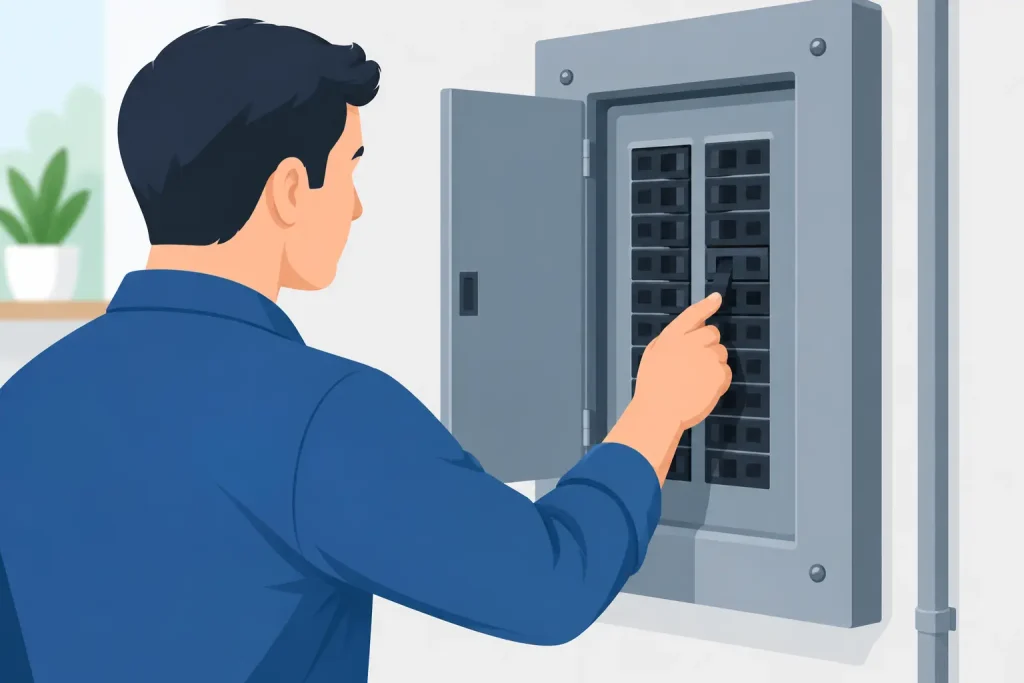
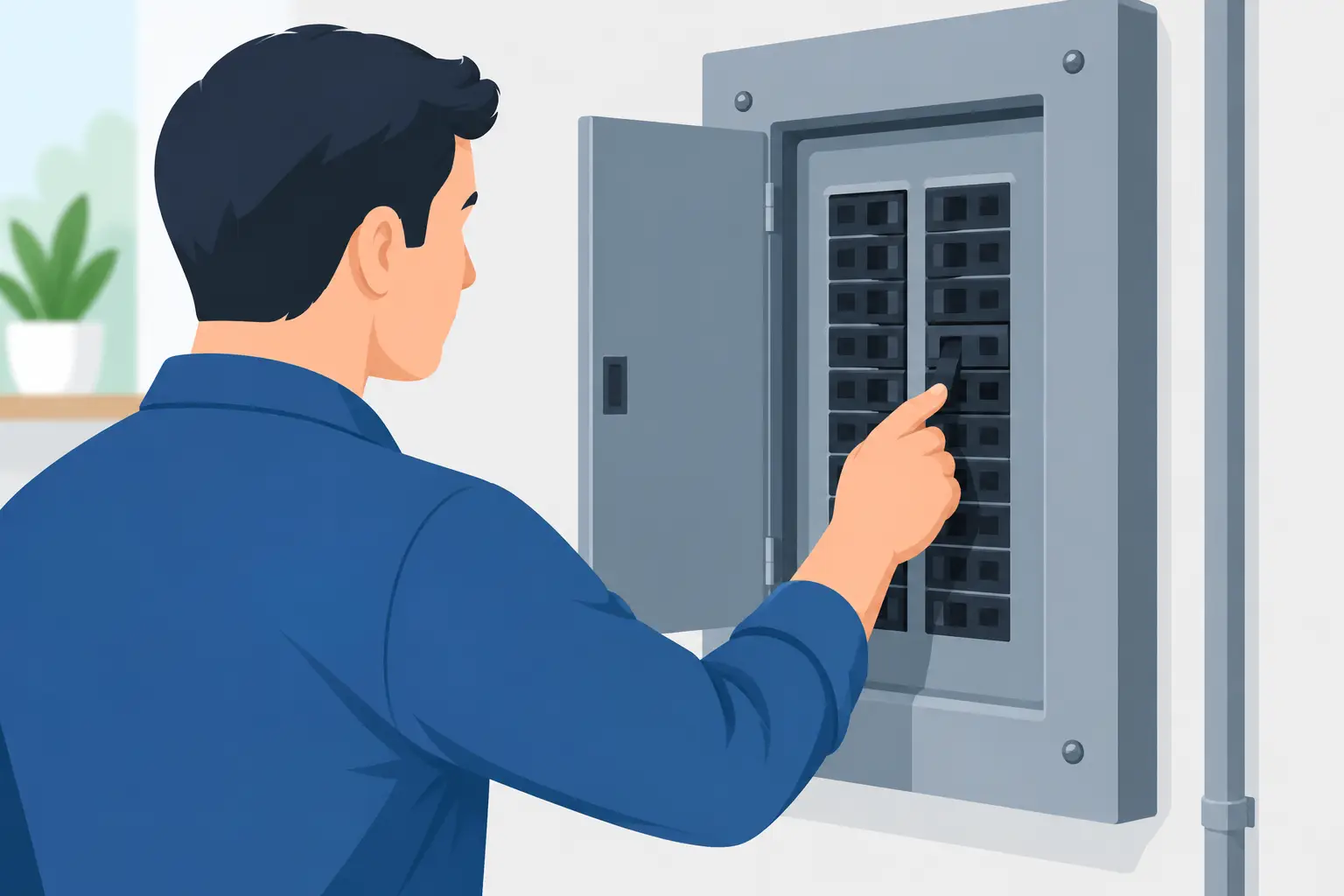
Find your main electrical panel and locate the breaker labeled for the air conditioner, condenser, HVAC, or cooling system. A tripped breaker may not look fully off. It often rests between the On and Off positions.
To reset it correctly, move the breaker firmly all the way to Off first. Then move it back to On. Do not force a breaker that feels damaged, loose, unusually hot, or difficult to move. After resetting it, wait a few minutes, turn the thermostat back to Cool, and set it several degrees below the indoor temperature.
Listen for the indoor equipment and outdoor unit to begin operating normally. Cool air may take a few minutes to reach the vents. If the breaker stays on and the system cools as expected, continue to monitor it over the next day or two.
A one-time trip can happen after a power interruption, a severe storm, or an unusually demanding cooling cycle. Still, it should not become part of your normal routine.
When You Should Not Reset the AC Breaker
There are situations where resetting the breaker can create more risk or cause additional damage. Leave the breaker off and call for professional service if you notice a burning smell, smoke, buzzing at the panel, melted wiring, scorch marks, or a breaker that feels hot to the touch.
You should also avoid another reset if the breaker trips immediately after you turn it on. That can indicate a short circuit or serious electrical fault. Repeatedly forcing power back to the unit may damage the compressor, wiring, capacitor, or other costly components.
Water near the electrical panel, outdoor disconnect, or indoor equipment is another reason to stop. Baltimore-area homes can deal with basement moisture, storm-related water intrusion, and clogged condensate drains. Electricity and water require professional attention, even if the AC problem seems simple.
If you rent a home or manage a commercial property, document the issue and keep occupants away from the panel if there are signs of overheating or electrical damage. Fast action is especially important when cooling is needed for vulnerable residents, occupied units, or customer-facing spaces.
Why an AC Breaker Keeps Tripping
Your breaker is designed to shut off power when it senses an unsafe electrical load. The cause can range from basic maintenance needs to a more involved repair.
A Dirty Air Filter or Blocked Airflow
Restricted airflow makes an air conditioner work harder and run longer. A clogged filter, closed supply vents, blocked return vents, or a dirty indoor coil can contribute to overheating and higher electrical demand. While a dirty filter does not always trip a breaker by itself, it can add stress to a system that already has another issue.
Check the filter first. If it is gray, packed with dust, or has not been changed in the past one to three months, replace it with the correct size and type. Avoid using an overly restrictive filter unless your system is designed for it.
A Dirty Outdoor Condenser Coil
The outdoor unit needs clear airflow to release heat. Grass clippings, leaves, cottonwood, dirt, and landscaping that is too close to the unit can trap heat around the condenser. When the unit cannot shed heat effectively, it may run longer and draw more power.
With the breaker off, you can clear loose debris from around the outside unit. Do not take apart the equipment or spray electrical components. A professional maintenance visit can safely clean the coil and check the system’s operating condition.
A Failing Capacitor or Compressor
The capacitor helps the outdoor fan motor and compressor start and run. When it weakens, the AC may hum, struggle to start, or repeatedly trip the breaker. A failing compressor can create similar symptoms, often with a louder-than-normal startup, poor cooling, or a breaker trip shortly after the outdoor unit starts.
These are not do-it-yourself repairs. Capacitors can store an electrical charge even after power is turned off, and compressor diagnosis requires proper testing equipment.
Electrical Wiring or Breaker Problems
Loose connections, damaged wiring, a worn breaker, or an incorrectly sized breaker can all cause interruptions. Older homes may have electrical components that need closer inspection, particularly if the AC was added or upgraded after the home was built.
An HVAC technician can determine whether the air conditioner is creating the problem. If the issue is within the panel or home wiring, a qualified electrician may be needed. The right next step depends on what testing reveals, not guesswork.
Low Refrigerant or Mechanical Stress
Low refrigerant, a failing fan motor, and other mechanical problems can make an air conditioner operate outside its normal range. The system may run continuously, freeze up, make unusual noises, or fail to keep up with the thermostat setting before the breaker trips.
Refrigerant is not consumed during normal operation. If it is low, there is usually a leak that needs to be found and repaired. Simply adding refrigerant without addressing the leak is a temporary fix at best.
Safe Checks You Can Make Before Calling
After one successful reset, a few simple checks can help you provide useful information to your technician. Make sure the thermostat is set to Cool and the temperature is below the current room temperature. Confirm the air filter is clean, the return vents are not blocked, and the outdoor unit has room to breathe.
Look for ice on the refrigerant line or outdoor unit, but do not chip it off. Check whether the indoor blower is moving air through the vents. Note what happened before the breaker tripped: Did the system make a humming sound? Did the outdoor fan fail to spin? Did the breaker trip immediately or after 15 to 30 minutes?
Those details can shorten the diagnostic process and help prevent repeat visits. Do not remove the access panels, touch exposed wiring, replace a breaker yourself, or keep resetting the system to test it.
Preventing Future AC Breaker Trips
Preventive maintenance is one of the best ways to reduce surprise cooling failures. A seasonal tune-up gives a technician the opportunity to inspect electrical connections, test capacitors, measure system performance, clean key components, and catch wear before a hot-weather breakdown.
Homeowners can help by changing filters regularly, keeping outdoor equipment clear of debris, and scheduling service before the first major heat wave. Property managers may benefit from a maintenance schedule across units, especially where equipment runs heavily throughout the summer.
For older systems, repair decisions depend on the condition of the equipment, the cause of the breaker trip, repair cost, and overall efficiency. A straightforward electrical repair may make sense. A system with repeated compressor issues, major refrigerant leaks, or frequent breakdowns may deserve a replacement conversation instead.
If your AC breaker trips more than once, treat it as a service call rather than an inconvenience. ABC Cooling & Heating can diagnose the issue, explain the repair clearly, and help restore dependable cooling without unnecessary work. A breaker that stays on is good, but an air conditioner that runs safely and reliably is the real goal.