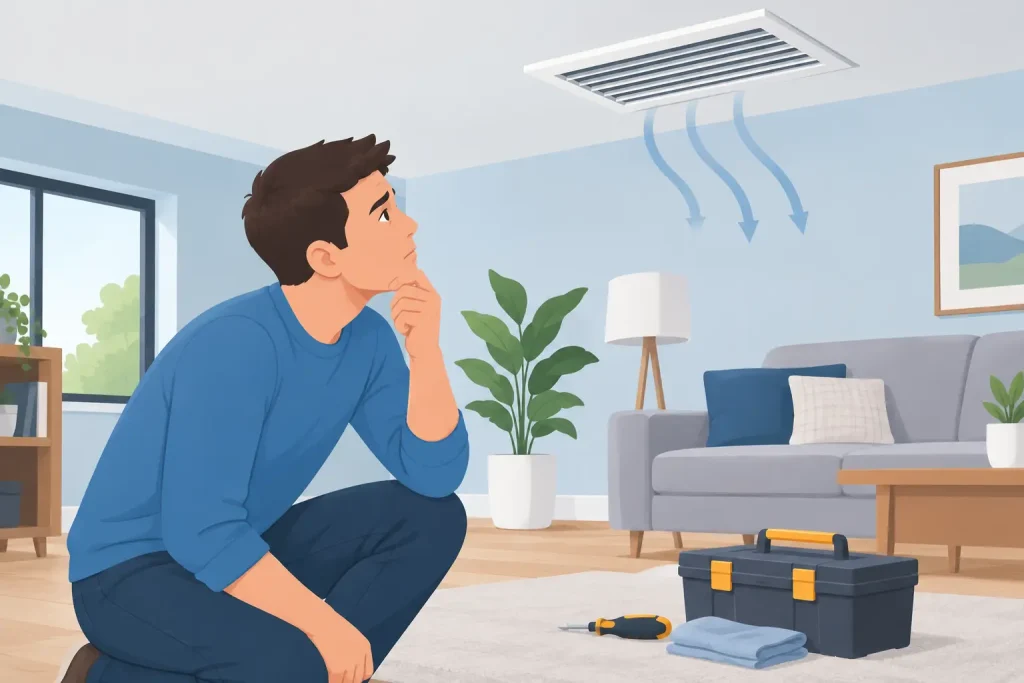
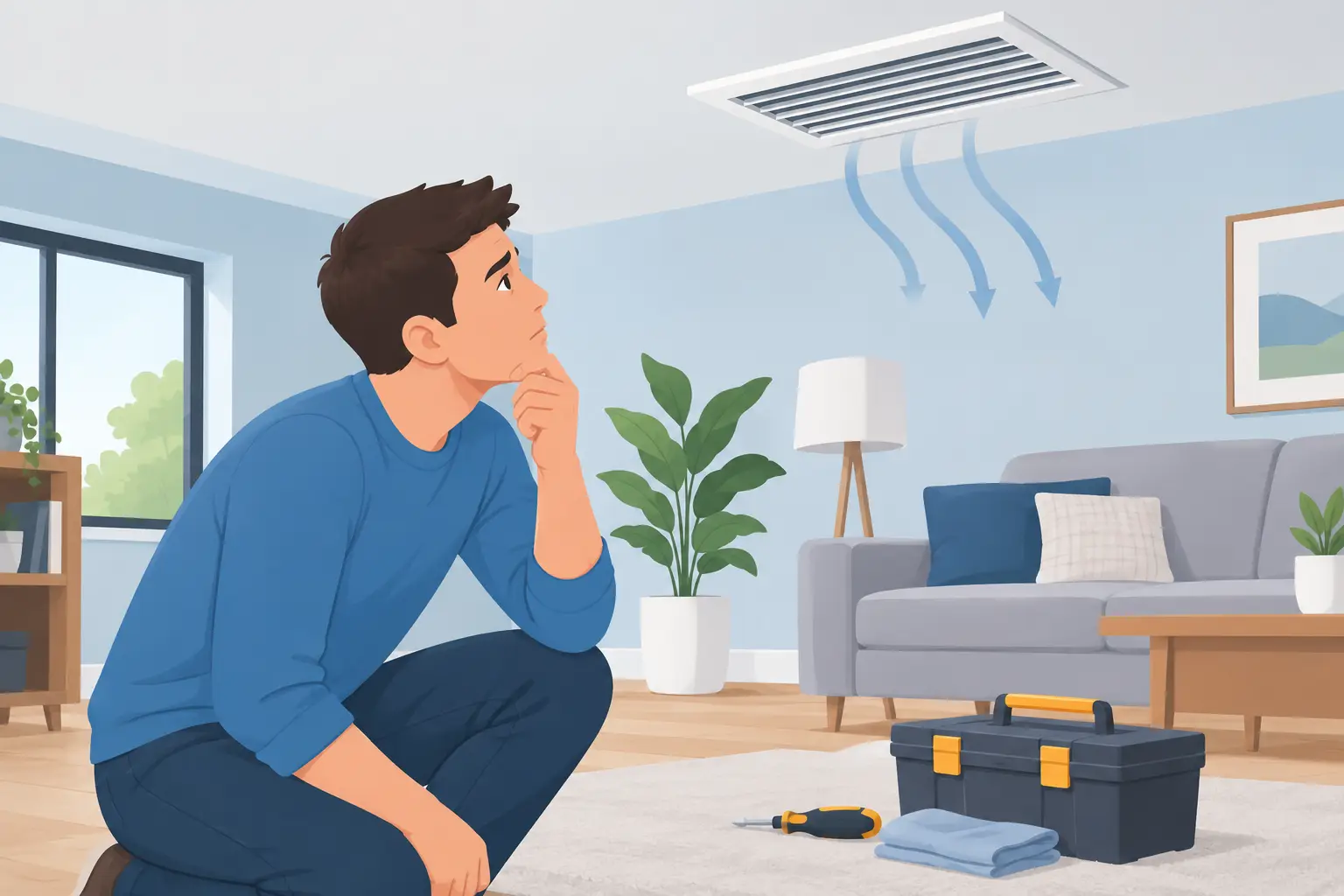
A room that never cools down, a bedroom with barely any heat, or a vent that feels like it is just whispering air can make your whole HVAC system seem unreliable. Before assuming you need a new air conditioner or furnace, learn how to troubleshoot weak airflow with a few safe, practical checks. Some causes are simple to correct. Others point to equipment or ductwork problems that need a licensed HVAC technician.
How to Troubleshoot Weak Airflow Safely
Start by noticing whether the issue affects one room, one floor, or the entire property. That distinction matters. Weak airflow from every supply vent often points to a filter, blower, thermostat setting, or system-wide issue. Weak airflow in only one or two rooms is more likely related to closed vents, furniture placement, duct problems, or an imbalance in the home.
Do not remove electrical panels, reach into the indoor unit, or attempt to repair a blower motor yourself. HVAC equipment contains moving parts, electrical components, and refrigerant systems that require proper training. The checks below are safe for most homeowners, landlords, and property managers and can help make a service call faster and more productive.
Check the air filter first
A clogged filter is one of the most common reasons for restricted airflow. As dust, pet hair, and debris build up, the blower has to work harder to pull air through the system. The result can be weak airflow, uneven temperatures, higher utility bills, and unnecessary strain on the equipment.
Locate the filter at the return grille, furnace cabinet, air handler, or filter rack. If it looks gray, matted, or visibly loaded with debris, replace it with the correct size and install it in the direction shown by the airflow arrow. If you are unsure when it was last changed, replacement is usually the right move.
Filter choice involves a trade-off. Higher-efficiency filters capture smaller particles, but a filter with a very high MERV rating can restrict airflow in a system that was not designed for it. Use the filter type recommended for your equipment, especially if airflow has been a recurring concern.
Make sure vents and returns are open and clear
Walk through the home or building and check every supply register and return grille. Supply vents deliver conditioned air into the room. Return grilles pull air back to the HVAC system to be heated or cooled again. Both need clear space to do their job.
Open supply vents fully unless an HVAC professional has made a specific balancing recommendation. Closing vents in unused rooms may sound efficient, but it can raise pressure in the duct system and reduce overall performance. It may also contribute to frozen AC coils in summer or overheating issues during the heating season.
Move rugs, furniture, curtains, storage boxes, and other obstructions away from vents and returns. A large sofa pressed against a return grille can significantly reduce circulation. In rental properties and offices, blocked vents are especially common after furniture is rearranged.
Confirm the thermostat and fan settings
Check that the thermostat is set to the correct mode: Cool for air conditioning or Heat for a furnace or heat pump. Then set the fan to Auto rather than On for a useful comparison. In Auto mode, the blower runs only during an active heating or cooling cycle. In On mode, it continues circulating air between cycles, which can make the air from vents feel less forceful or less conditioned.
If your thermostat uses batteries, replace them if the display is dim, blank, or behaving unpredictably. Also make sure the temperature setting is far enough from the current room temperature to call for the system to run. A one-degree difference may not always trigger a cycle right away, depending on the thermostat.
Check accessible duct connections for obvious damage
If you can safely see ductwork in a basement, crawlspace entrance, attic access area, or utility room, look for visible problems without climbing into unsafe spaces. A disconnected flexible duct, crushed duct section, or damaged insulation can send conditioned air where you do not need it instead of into the room.
Do not use duct tape as a permanent repair. Standard cloth duct tape often fails in hot, cold, or humid conditions. Duct leaks and disconnected runs should be sealed or repaired correctly by an HVAC professional. This is particularly important when a room has suddenly lost airflow after renovation work, pest activity, or storage changes near exposed ductwork.
What Weak Airflow Can Tell You
Airflow symptoms can narrow down the likely cause. If airflow is weak everywhere and the system sounds different than usual, the indoor blower may be struggling. A failing blower motor, worn capacitor, dirty blower wheel, control issue, or evaporator coil restriction can all reduce the amount of air moving through your home.
If weak airflow happens only during cooling, a dirty evaporator coil or a frozen coil may be involved. Ice on refrigerant lines, water near the indoor unit, or a system that runs continuously without cooling well are warning signs. Turn the cooling system off, set the fan to Auto, and schedule service. Continuing to run a frozen system can cause more damage.
If airflow is normal downstairs but weak upstairs, the cause may be more complex. Heat naturally rises, upper floors gain more heat from the roof and sun, and long duct runs can lose pressure before air reaches distant rooms. A zoning adjustment, duct repair, added return air, attic insulation improvement, or system evaluation may be more effective than simply lowering the thermostat.
Older Baltimore-area homes can also have ductwork that was added or altered over time. Rooms built over garages, finished attics, additions, and converted basements often reveal airflow limitations first. The right repair depends on the layout, the duct design, and the capacity of the existing system.
When to Call an HVAC Professional
A filter change and open vents may solve a minor restriction, but some warning signs call for prompt professional diagnosis. Schedule service if you notice burning smells, repeated breaker trips, loud rattling or grinding, ice on the equipment, water leaks, no airflow from multiple vents, or a blower that will not shut off properly.
You should also call if the same room is consistently uncomfortable after basic checks. A technician can measure static pressure, inspect the blower assembly, test electrical components, evaluate duct leakage, and determine whether the system is properly sized. These tests identify the actual cause instead of treating the symptom.
For landlords and commercial property operators, early service can prevent a small comfort complaint from becoming an emergency call. Weak airflow puts extra stress on heating and cooling equipment, and tenants or employees may notice uneven temperatures long before a complete failure occurs.
Prevent Weak Airflow With Routine Maintenance
The best time to address airflow is before extreme summer heat or winter cold arrives. Replace filters on a regular schedule based on your home, pets, occupancy, and filter type. Keep vents and returns clear year-round, and have the heating and cooling system professionally maintained before the season changes.
During maintenance, a qualified technician can clean components that are not safely accessible, inspect blower performance, check drainage, look for developing electrical issues, and spot duct concerns. That attention can improve comfort, protect efficiency, and reduce the chance of losing heating or cooling when you need it most.
If simple checks do not restore airflow, do not keep adjusting vents and thermostat settings hoping the problem will disappear. A clear diagnosis and a timely repair are the most dependable way to get every room comfortable again.