You set the thermostat, hear the system kick on, and wait for that blast of cool air – but the house still feels warm and sticky. If you’re asking, why is my AC not cooling, you’re not alone. This is one of the most common air conditioning problems homeowners and property managers deal with during Maryland heat, and the cause can be anything from a simple airflow issue to a failing system component.
The good news is that not every cooling problem means a full system replacement. In many cases, the issue starts with restricted airflow, thermostat settings, or a part that needs repair before it turns into a bigger breakdown. The key is knowing what you can safely check yourself and when it’s time to bring in a licensed HVAC technician to diagnose it properly.
Why is my AC not cooling? Start with the basics
Before assuming the worst, check the settings and the condition of the system. It sounds simple, but a thermostat set incorrectly, a clogged filter, or a blocked vent can make an air conditioner seem like it’s failing when the fix is relatively straightforward.
Make sure the thermostat is set to cool and not fan only. Verify the temperature setting is lower than the current indoor temperature. If the screen is blank or not responding, the batteries may need to be replaced or there could be a wiring issue. For programmable and smart thermostats, schedule settings can also create confusion, especially if someone changed them without realizing it.
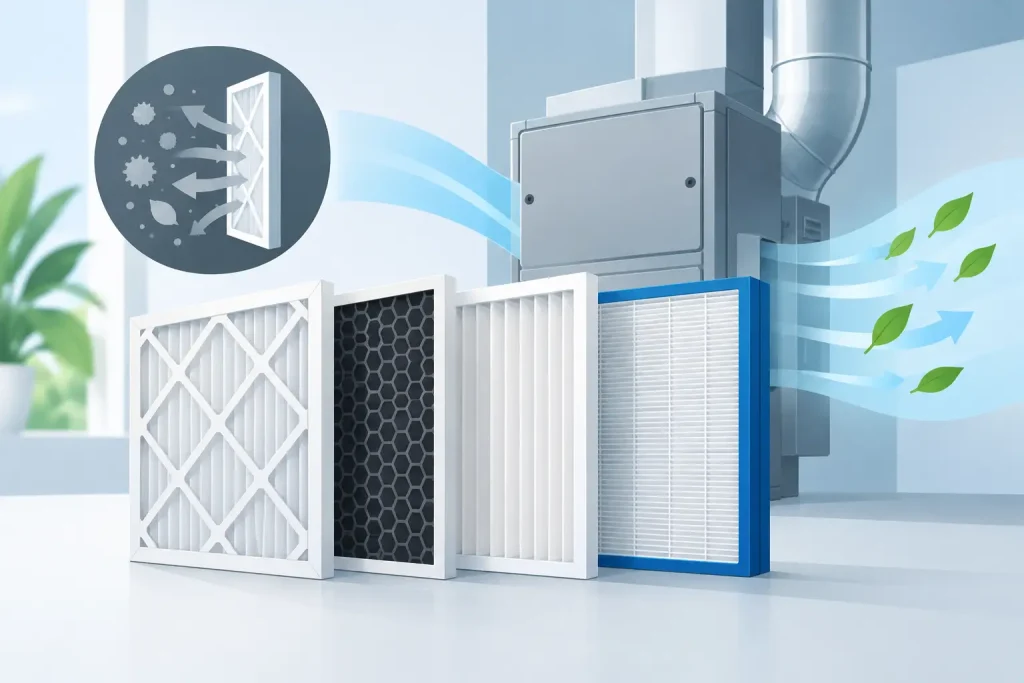
Next, look at the air filter. A dirty filter restricts airflow, which makes it harder for your system to move enough conditioned air through the home or commercial space. In some cases, poor airflow can even cause the evaporator coil to get too cold and begin freezing up. If the filter looks gray, packed with dust, or overdue for replacement, changing it is one of the first steps worth taking.
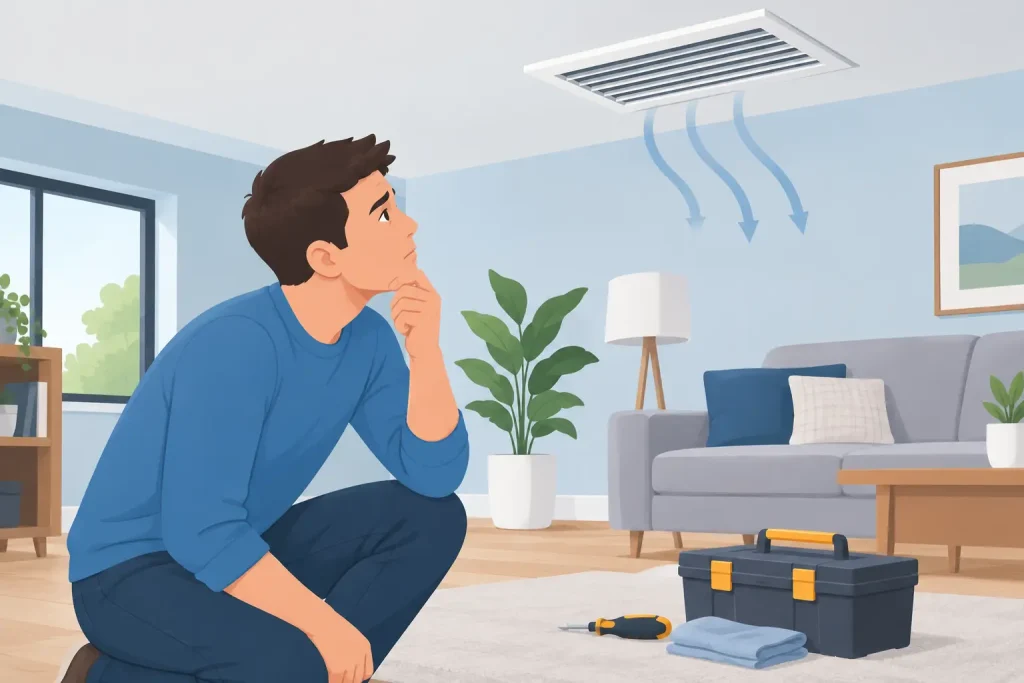
Then walk through the property and check vents and returns. Closed supply vents, blocked return grilles, or furniture placed in front of airflow paths can reduce cooling performance more than many people expect. One closed vent won’t usually shut down the system, but several restrictions across the building can affect comfort and efficiency.
Common reasons an AC runs but does not cool
If the system turns on but the temperature indoors keeps climbing, there are several likely causes. Some are minor. Others require professional repair.
Dirty condenser coils
Your outdoor unit needs to release heat effectively. When the condenser coil is coated with dirt, grass clippings, pollen, or debris, it has to work harder to cool the refrigerant. That can lead to weak cooling, longer run times, and higher utility bills. Homeowners can gently clear debris from around the outdoor unit, but coil cleaning itself should be handled carefully to avoid damage.
Low refrigerant
Low refrigerant is a common reason for poor cooling, but it is often misunderstood. Refrigerant does not get “used up” like fuel. If your system is low, there is usually a leak somewhere that needs to be found and repaired. Signs can include warm air from the vents, ice on the refrigerant line, hissing sounds, or reduced cooling on hot afternoons. Simply adding refrigerant without addressing the leak is not a lasting fix.
Frozen evaporator coil
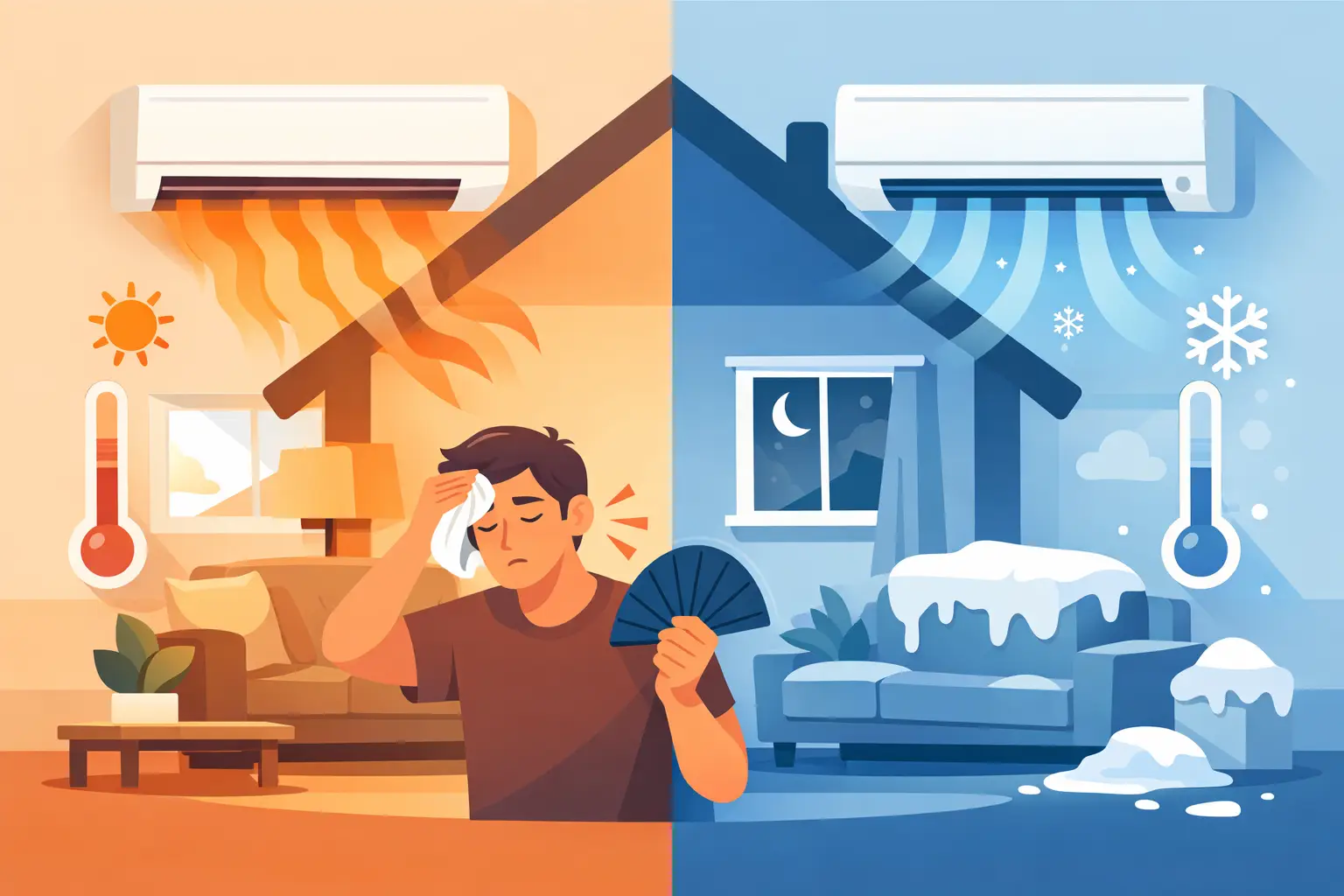
A frozen indoor coil can stop cooling almost entirely. This often happens because of restricted airflow, dirty filters, blocked ducts, blower problems, or refrigerant issues. If you notice ice buildup, turn the system off or switch the thermostat fan to on so the coil can thaw. Continuing to run it can strain the system and increase the chance of damage.
Electrical or capacitor issues
Air conditioners rely on several electrical components to start and run properly. A failing capacitor, bad contactor, loose connection, or damaged wiring can prevent the outdoor unit from operating as it should. Sometimes the indoor blower runs while the condenser does not, which leads people to think the AC is working when it is actually circulating warm or room-temperature air.
Blower motor problems
If the blower motor is weak, failing, or not moving enough air, your home may feel unevenly cooled or not cooled at all. You might notice weak airflow at vents even though the system sounds like it’s on. This can also contribute to frozen coils and high humidity indoors.
When your AC is cooling some rooms but not others
Sometimes the question is not just why is my AC not cooling, but why is it cooling only part of the property. Uneven temperatures can point to a different type of issue.
In some homes, the problem comes from duct leaks, poor insulation, or an older system that was never sized correctly for the layout. Upper floors often feel warmer because heat rises, and rooms with a lot of sun exposure can struggle if airflow is limited. In commercial spaces or rental properties, closed dampers, blocked vents, or neglected maintenance can also create hot spots.
This is where a quick repair call can save time and frustration. A proper diagnosis looks beyond the thermostat and checks airflow, duct performance, equipment condition, and whether the system is actually matched to the building’s cooling needs.
What to check before calling for AC repair
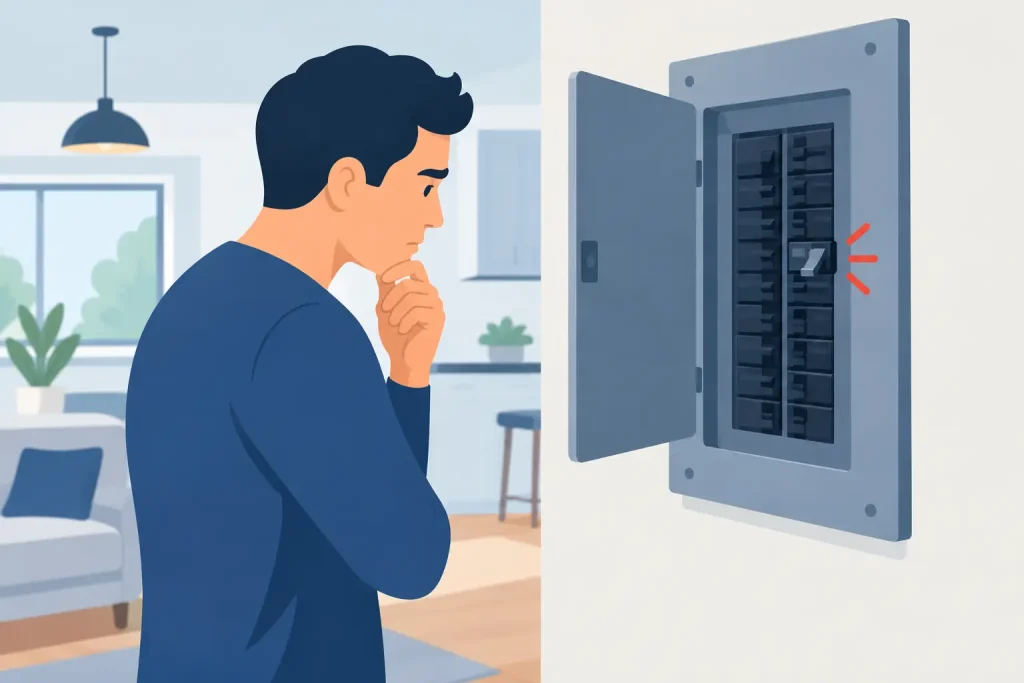
There are a few safe checks that can help narrow down the problem. Start by replacing the air filter if it’s dirty. Confirm the breaker hasn’t tripped. Make sure the outdoor unit has power and is not covered with leaves or debris. Check that all return and supply vents are open and unobstructed.
If the indoor coil appears frozen, turn the cooling off and let the system thaw before restarting it. If cooling improves briefly and then fails again, that usually points to an underlying issue that needs professional service.
What you should not do is open sealed electrical compartments, handle refrigerant components, or keep forcing the system to run if it is making unusual noises, short cycling, or blowing warm air continuously. That can turn a manageable repair into a more expensive one.
Signs the problem needs professional diagnosis
Some AC problems are straightforward. Others look simple on the surface but involve multiple system failures. If your unit is over 10 years old, cooling poorly, and driving up your electric bill, it may need more than a quick adjustment.
Call for service if you notice ice on the system, water leaking indoors, burning smells, buzzing from the outdoor unit, weak airflow throughout the property, or a thermostat that does not seem to control the temperature correctly. These symptoms often indicate issues with refrigerant, drainage, motors, controls, or electrical parts that should be handled by a licensed technician.
For landlords and property managers, quick action matters even more. Delaying service can lead to tenant complaints, added wear on the equipment, and a greater chance of emergency breakdowns during peak heat.
Why regular maintenance helps prevent cooling problems
Many no-cooling calls start with preventable wear. Seasonal maintenance gives a technician the chance to inspect refrigerant pressures, clean coils, test electrical components, check drain lines, verify airflow, and catch small issues before they shut the system down.
That matters in places like Baltimore, Dundalk, and surrounding communities where summer humidity pushes AC systems hard. A unit that seemed fine in spring can struggle in July if the filter is clogged, coils are dirty, or a weak capacitor finally fails under heavy demand.
Maintenance also helps answer an important question homeowners often have: repair or replace? If your system has a history of repeated breakdowns, uneven cooling, or rising operating costs, a service visit can help you understand whether repair still makes financial sense or whether replacement would give you better comfort and reliability.
Repair or replacement – it depends
Not every underperforming AC needs to be replaced. If the issue is a capacitor, contactor, clogged drain, dirty coil, or thermostat problem, repair is often the practical choice. If the system is older, low on refrigerant due to leaks, or facing a major compressor problem, replacement may be the smarter long-term move.
The right answer depends on the age of the equipment, repair history, energy efficiency, and how well the current system has been cooling the space overall. A clear diagnosis should come first. From there, you can weigh cost, expected lifespan, and comfort performance instead of guessing.
When your air conditioner stops keeping up, the goal is not just to get it running again. It’s to restore dependable comfort without wasting time or money on the wrong fix. If your system is blowing warm air, cooling unevenly, or struggling to keep your home comfortable, getting it checked early usually gives you more options and fewer surprises.