If your AC always seems to struggle on the hottest July afternoon or your furnace quits when temperatures drop, the question usually comes up fast: how often should HVAC be serviced? For most homes and small commercial properties, the safest answer is twice a year – once in the spring for cooling and once in the fall for heating. That schedule gives your system the best chance to run efficiently, avoid surprise breakdowns, and keep indoor comfort steady when you need it most.
That said, HVAC maintenance is not one-size-fits-all. A newer system in a clean, lightly used home may not need the same level of attention as an older unit working hard in a rental property, retail space, or busy household with pets. The right service schedule depends on the equipment you have, how often it runs, and how much wear it sees through the year.
How often should HVAC be serviced for most properties?
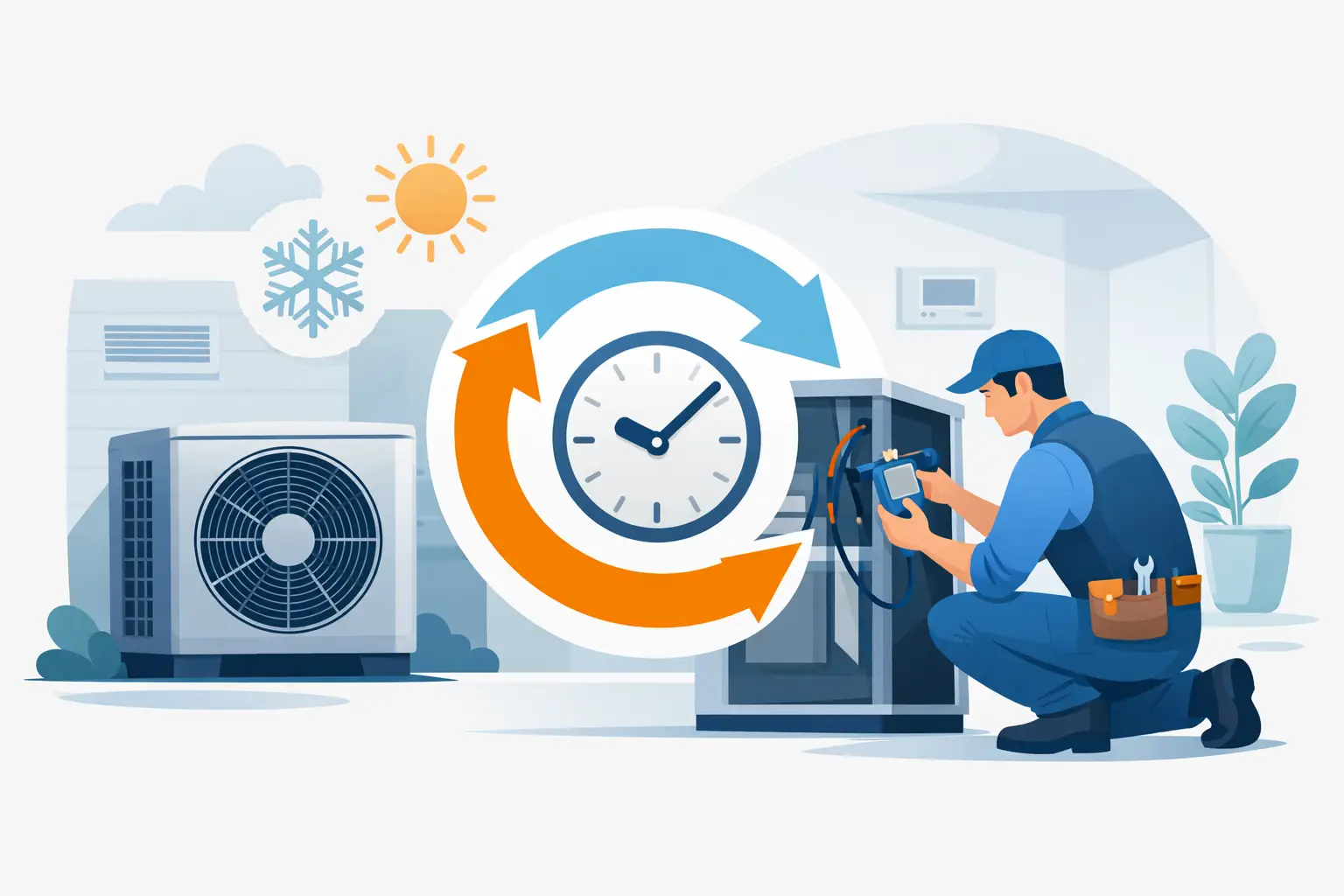
In most cases, homeowners should schedule professional HVAC service twice a year. One visit should happen before cooling season starts, usually in early spring. The second should happen before heating season, usually in early fall.
This timing matters more than many people realize. Preventive service works best before the system is under heavy demand. If your air conditioner is already laboring through a Baltimore heat wave or your furnace is trying to keep up with freezing temperatures, small issues can turn into urgent repairs quickly.
For heat pump systems, the twice-a-year schedule is especially important because the same equipment handles both heating and cooling. Since it works nearly year-round, it benefits from regular inspection and adjustment to keep performance consistent.
Why twice-a-year service makes sense
HVAC systems do not usually fail all at once. More often, they wear down in stages. Airflow drops a little. Components run hotter than they should. Electrical connections loosen. Drain lines begin to clog. Refrigerant problems, ignition issues, and dirty coils often start small and get worse over time.
Routine maintenance gives a technician the chance to catch those problems early. It also helps keep the system clean, calibrated, and operating as efficiently as possible. That can mean lower utility bills, fewer repair calls, and better temperature control from room to room.
There is also a practical side to scheduling ahead. Peak summer and winter are the busiest times for HVAC service. If you wait until your system is already failing, you may be dealing with more expensive repairs, less flexible appointment times, and a much more uncomfortable building.
When once a year may not be enough
Some properties need more attention than the standard recommendation. If any of these situations apply, your HVAC system may benefit from more frequent service or at least closer monitoring between tune-ups.
Older systems are one example. Equipment that is 10 to 15 years old or more often develops wear-related issues that need regular attention. The system may still be worth maintaining, but it usually needs a sharper eye.
Homes with pets also tend to be harder on HVAC equipment. Pet hair and dander can clog filters faster and affect airflow through the system. The same goes for homes with high dust levels, ongoing remodeling work, or occupants with allergies who rely on clean indoor air.
Rental properties and light commercial spaces can also fall into the higher-maintenance category. When equipment runs longer hours or sees more thermostat adjustments, filters load up faster and components simply wear more quickly.
If your system already has a history of repairs, inconsistent temperatures, weak airflow, or rising utility costs, regular maintenance becomes less optional and more preventive.
What happens during professional HVAC maintenance?
A proper HVAC service visit is more than a quick filter check. A qualified technician should inspect the system, test its operation, clean key components, and look for signs of wear that could lead to failure later.
For air conditioning service, that often includes checking refrigerant levels, inspecting electrical components, cleaning condenser and evaporator coils when needed, verifying thermostat operation, clearing the condensate drain, and measuring airflow. For heating service, the visit may include inspecting burners, checking the heat exchanger, testing safety controls, verifying ignition, and making sure the system is venting properly.
The exact checklist depends on whether you have central AC, a furnace, a heat pump, or a packaged unit. But the goal stays the same: make sure the equipment is operating safely, efficiently, and reliably before the season puts it to work.
Signs your HVAC system needs service sooner
Even if you stay on a regular maintenance schedule, your system may need attention between tune-ups. Waiting too long can turn a manageable issue into a breakdown.
A few warning signs should not be ignored. If your system is making new noises, cycling on and off too often, blowing weak air, struggling to hold the set temperature, or producing higher utility bills without a clear reason, it is time to have it checked. The same goes for musty smells, burning odors, water around the unit, or rooms that suddenly feel warmer or colder than usual.
Business owners and property managers should also watch for comfort complaints from tenants, staff, or customers. Those early complaints often point to developing HVAC issues before a full failure happens.
What you can do between service visits
Professional maintenance matters, but it is not the only part of keeping your HVAC system in good shape. A few simple habits between appointments can make a noticeable difference.
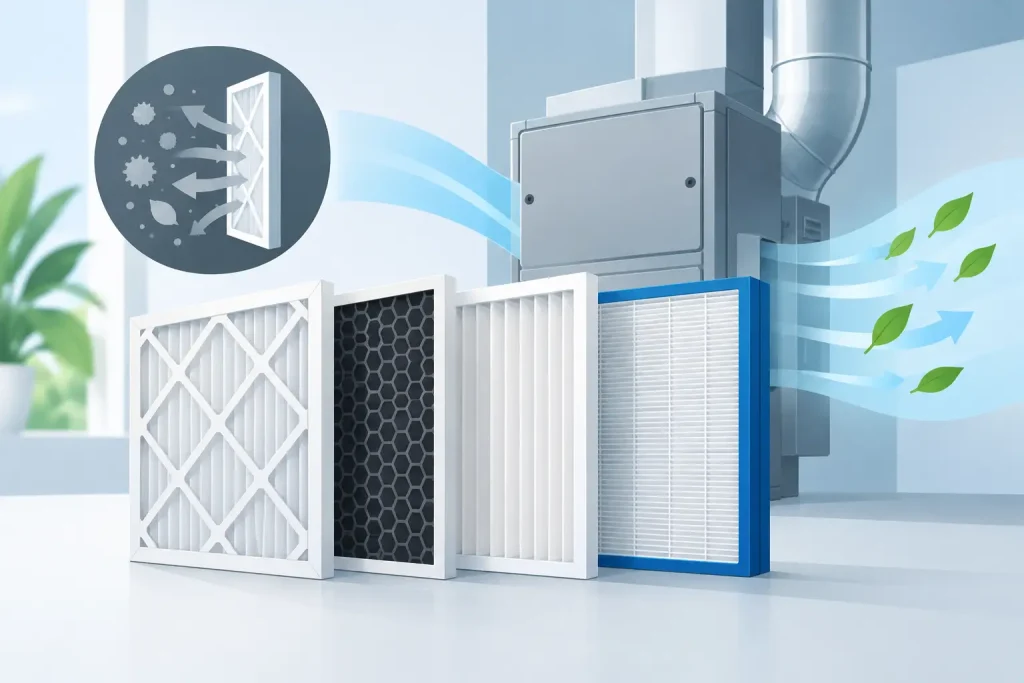
Changing the air filter on time is the biggest one. Many filters need replacement every one to three months, though that varies based on filter type, pets, dust, and system usage. A dirty filter can restrict airflow, reduce efficiency, and put unnecessary strain on the blower and other components.
It also helps to keep the outdoor unit clear of leaves, grass, and debris. Inside, make sure supply and return vents stay open and unobstructed by furniture or storage. If you use a programmable or smart thermostat, review the settings seasonally so the system is not working harder than necessary.
These steps do not replace professional service, but they do support better performance and help your system get more from each maintenance visit.
Is HVAC maintenance really worth the cost?
For most property owners, yes. Maintenance costs far less than emergency repairs or premature replacement. It is one of the few HVAC expenses that can reduce the chances of larger ones later.
There are trade-offs, of course. A newer system that has been installed correctly and maintained well may seem to run fine without much attention. That can make it tempting to skip service. But HVAC systems often hide problems until the demand peaks. By the time those issues become obvious, the repair is usually more urgent and more expensive.
Regular maintenance also supports manufacturer warranty requirements in many cases. If warranty coverage matters to you, documented service can be important.
How often should HVAC be serviced if you have an older system?
If your HVAC system is older, service should still happen at least twice a year, but you may also want to budget for occasional follow-up visits if problems start appearing. Aging equipment can remain dependable for years when maintained properly, but older systems are less forgiving when small issues are ignored.
This is especially true if repairs are becoming more frequent, airflow is uneven, or your energy bills keep climbing. In those cases, maintenance is still worthwhile, but it should come with honest guidance about whether continued repair makes financial sense.
A trustworthy technician will not push replacement when a repair is reasonable. At the same time, they should tell you clearly when the system is costing you more than it should.
The best time to schedule service
Spring and fall are ideal because they give you time to prepare before extreme weather hits. In Maryland, that timing can make a real difference. A system that seems fine on a mild day may fail quickly once summer humidity or winter cold puts it under pressure.
Booking early also gives you a better chance of getting convenient appointment times. If you wait until the first heat wave or cold snap, you are competing with every other property owner whose system chose that same week to act up.
If you cannot remember the last time your system was checked, that is usually your sign to schedule service now rather than waiting for the next season.
HVAC maintenance is not about over-servicing equipment. It is about protecting comfort, controlling repair costs, and giving your system the attention it needs before small issues become expensive ones. If you stay on a twice-a-year schedule and act quickly when warning signs show up, your heating and cooling system has a much better chance of keeping your home or building comfortable when it matters most.