
A new air conditioner is a major comfort upgrade, especially before a Baltimore-area heat wave puts an aging system under pressure. Knowing how to prepare for AC installation helps protect your home, keeps the work moving efficiently, and gives your technician the information needed to install the right system correctly. A little preparation can also prevent avoidable delays involving access, electrical service, ductwork, or building approvals.
An AC installation is more than swapping one outdoor unit for another. The equipment must be properly sized, connected safely, tested thoroughly, and matched to your home’s airflow needs. Your role is not to manage the technical work. It is to make the home accessible, ask clear questions, and address any known issues before installation day.
Start With a Clear In-Home Assessment
The best preparation begins before you choose a system. A qualified HVAC technician should assess more than the square footage of your home. They should consider insulation, window exposure, ceiling height, household occupancy, existing ductwork, and how well your current system has cooled each area of the house.
If certain rooms have always stayed warmer than others, mention it during the estimate. So should frequent humidity problems, weak airflow, unusually high electric bills, or areas where the old system struggled. These details help identify whether the issue is only the equipment or whether duct repairs, added returns, zoning, or thermostat changes should be considered.
A larger AC is not automatically better. An oversized unit can cool the home too quickly and shut off before removing enough humidity. A unit that is too small may run constantly during peak summer weather. Proper sizing is one of the most important parts of a reliable installation, so ask how the recommended capacity was determined.
Confirm What Is Included in the Quote
Before scheduling, review the scope of work in plain language. You should know whether the quote includes the outdoor condenser, indoor coil or air handler, thermostat, refrigerant line work, electrical updates, pad replacement, drain line work, permits, and removal of old equipment.
Some homes need additional work that cannot be responsibly ignored. For example, an older disconnect box may need replacement, a deteriorated condensate drain may need to be corrected, or existing refrigerant lines may not be suitable for the new equipment. Clear communication up front reduces surprises later and lets you compare recommendations based on the full job, not just the price of the unit.
How to Prepare for AC Installation Day
Once the installation date is set, focus on making the work areas safe and easy to reach. Technicians may need access to the basement, attic, utility closet, garage, electrical panel, thermostat, indoor equipment, and outdoor condenser location. They will also carry tools and equipment through your home.
Clear a wide path from the entrance to the indoor unit and to the outdoor work area. Move boxes, furniture, stored items, and fragile décor out of the way. If the air handler is in an attic or crawlspace, make sure the access point is not blocked and that there is a safe route to it. For utility closets, remove stored cleaning supplies, shelving, or other items that limit workspace.
It also helps to protect nearby belongings from dust. The installation team should use reasonable care and keep the work area tidy, but moving valuables and covering furniture near the indoor equipment gives everyone more room to work. If you have special flooring, freshly painted walls, or a difficult entryway, point that out when the crew arrives.
For a smooth visit, plan for these practical details:
- Keep pets secured in a separate room or arrange for them to be elsewhere during the work.
- Make sure an adult with authority to approve reasonable on-site decisions is available by phone or in person.
- Reserve parking close to the home when possible, particularly where equipment must be carried through a long driveway or busy street.
- Let the installer know about gate codes, building rules, restricted parking, or any access instructions before the appointment.
Most replacements can be completed in one day, but timing depends on the system type, location, duct modifications, electrical needs, and any unexpected conditions found after the old equipment is removed. Avoid scheduling a major event at home during the installation window. The power may need to be shut off temporarily, and the home may be without cooling for part of the day.
Check Electrical and Outdoor Access Early
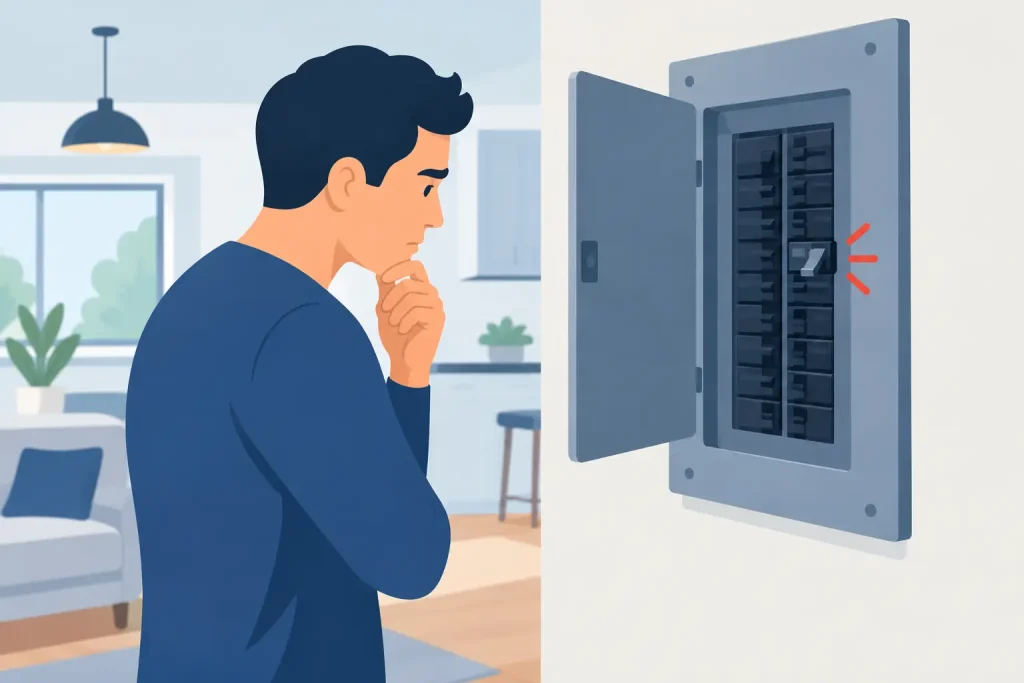
Modern air conditioning equipment has specific electrical requirements. Your technician will confirm the correct breaker size, disconnect, wiring, and voltage during the evaluation. If your electrical panel is full, outdated, or located far from the equipment, additional electrical work may be needed. Do not assume an old circuit can support a new system simply because it powered the previous one.
Make the electrical panel accessible on installation day. Remove anything stored in front of it and let the team know if it is behind a locked door, in a tenant area, or has labels that are difficult to read. If you have noticed tripped breakers, flickering lights, or other electrical concerns, mention them before work begins.
Outside, clear leaves, lawn equipment, planters, toys, and stored materials from around the condenser location. The new unit needs room for proper airflow and future maintenance. Trim back shrubs or low branches that crowd the area, but do not make major changes to the location without consulting the installer. Moving a condenser can affect electrical routing, refrigerant line length, drainage, noise considerations, and local code requirements.
If the unit sits near a bedroom, patio, walkway, or neighbor’s property, ask about placement before installation. Today’s equipment is often quieter than older systems, but location still matters. The right placement balances performance, service access, appearance, and everyday comfort.
Do Not Overlook Ductwork and Drainage
A new AC system cannot perform at its best if the ductwork leaks, lacks return airflow, or is poorly sized. During the estimate, ask whether your existing ducts are appropriate for the recommended equipment. In older Baltimore homes, ductwork may have gaps, crushed sections, insulation issues, or poorly balanced runs that contribute to uneven cooling.
You may not need a full duct replacement. In many cases, targeted sealing, repairs, return-air improvements, or adjustments to supply vents can make a meaningful difference. The right recommendation depends on the age and condition of the ducts, the system size, and the comfort issues you want to solve.
Drainage deserves equal attention. Air conditioners remove moisture from indoor air, and that water must drain reliably. A clogged, poorly pitched, or damaged condensate line can lead to water damage, shut down the system, or create moisture problems near the air handler. Ask where the drain line will run and whether a safety switch or condensate pump is needed for your setup.
Prepare for Permits, Building Rules, and Shared Properties
For homeowners, the contractor can explain whether permits or inspections apply to the work. Permit requirements vary by jurisdiction and by the type of electrical, mechanical, or structural changes involved. Proper permits help verify that major work meets applicable safety standards, and they can matter when you sell the property.
Landlords and property managers should also plan for tenant communication. Give occupants a clear installation window, explain that technicians will need access to equipment areas, and ask them to secure pets and clear pathways. In multi-unit properties, confirm who can approve work, where equipment can be staged, and whether building management requires certificates of insurance, elevator reservations, or advance notice.
Condominiums and townhomes may have additional exterior rules. An association may limit condenser placement, working hours, or changes visible from common areas. Address those requirements before the crew arrives rather than risking a delay after equipment has already been delivered.
Ask These Questions Before the Crew Leaves
Installation is not finished when the equipment turns on. Before the team leaves, ask for a simple walkthrough of the new system. You should understand how to use the thermostat, where the filter is located, what size filter it takes, and how often it should be checked.
Ask which breaker serves the system, where the outdoor disconnect is located, and what normal operation sounds and looks like. Your technician should also explain recommended maintenance, warranty registration steps, and any signs that should prompt a service call, such as water near the indoor unit, weak airflow, repeated cycling, or unusual noises.
Keep the paperwork, model numbers, warranty information, and installation records in one place. This makes future maintenance easier and provides useful documentation for property records or a future sale.
A well-prepared home gives your installation team the space and information needed to do careful work, not rushed work. If you are planning a replacement in Dundalk, Baltimore, or a nearby community, ABC Cooling & Heating can evaluate your home, explain the options clearly, and help you schedule installation with confidence.